Forest Trail — Frogman Adventures, Havelock Island
Course Code: FRG-FRT-HVL

Forest Trail in Havelock Island, Andaman

₹1,500 + GST
4.9 1,991 Google reviews

A guided nature walk through Havelock's tropical forest. Trees, insects, reptiles and the small details you would walk straight past on your own. 2 to 2.5 hours at an easy pace, a nature walk rather than a strenuous hike.

Want more details?
Things to Know
Booking confirmation sent via WhatsApp within 30 minutes
Free cancellation up to 24 hours before your walk
Secure payment 10+ years experience 4.9★ rated

Forest Trail in Havelock Island

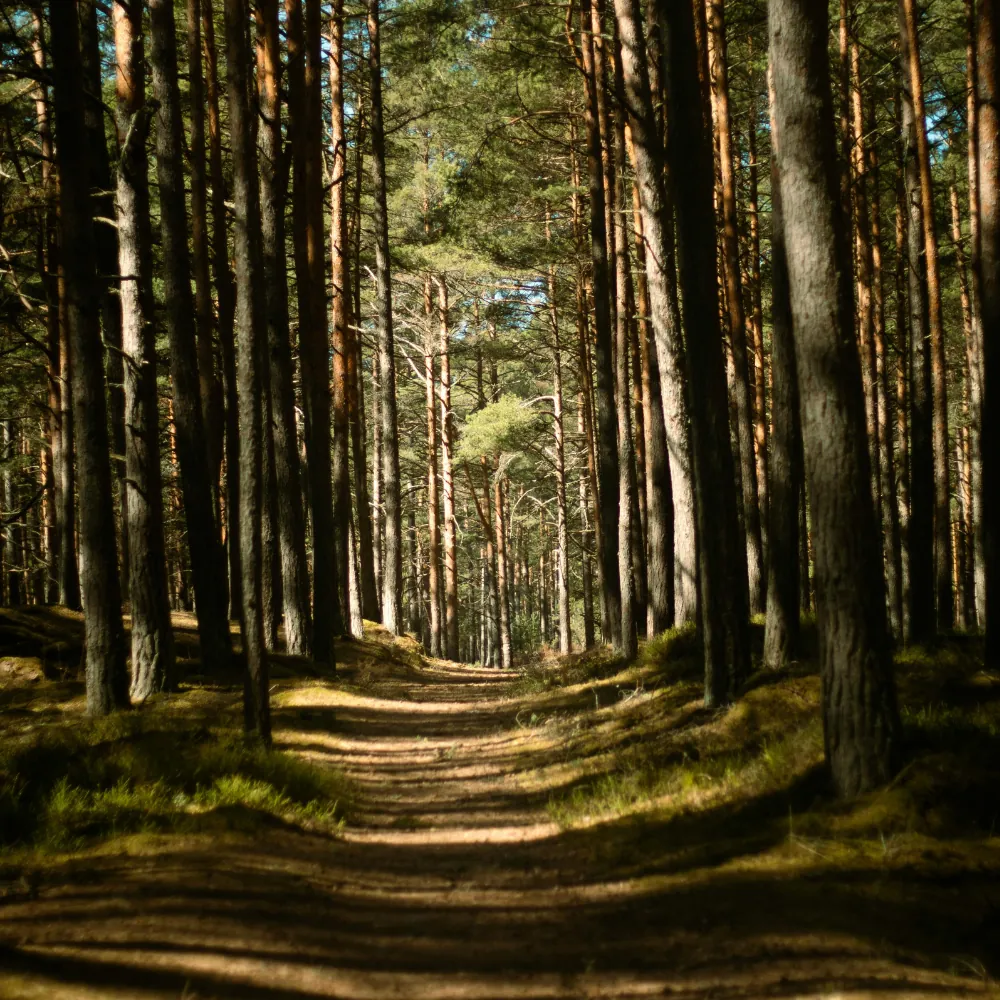
Almost everybody who comes to Havelock sees the same three things: a beach, a boat and a reef. The island itself, the part behind the tree line, gets skipped. That is a shame, because the Andamans hold some of the least disturbed tropical forest left in India and on Havelock it starts about five minutes from the road.

This is a guided walk into that forest at an easy pace. Big buttressed trees, strangler figs, bamboo, land crabs, butterflies, geckos, and a naturalist explaining how the whole thing fits together. It is a nature walk, not a trek. If you can walk for two hours on uneven ground, you can do this.

Duration
2 to 2.5 hours
Timing
Morning or late afternoon
Group Size
Small guided group
Suitable For
Families and casual walkers
Best Conditions
Dry trail and comfortable weather
Meeting Point
Confirmed at the time of booking

Why walk the forest trail?

  • See the island, not just the coast - the forest is the bigger half of Havelock and most visitors never enter it.
  • An easy pace - built as a nature walk with frequent stops, not as a fitness test.
  • Learn to look - the difference between "trees" and a forest you can read is one guided walk.
  • A land day that still counts - useful within 24 hours of a flight, or on a day the sea is rough.
  • Shade - forest is a good deal cooler than an open beach in the middle of the day.

Trail conditions change with the weather, particularly after heavy rain, when sections can be muddy or slippery. The route and timing may be adjusted on the day for safety. If the trail is unusable we move your walk or refund it in full.

Inside Havelock's tropical forest

The Andaman Islands are among the most heavily forested parts of India, with a large majority of the land area still under tree cover. What grows here is tropical evergreen and semi-evergreen forest, wet, dense and layered, and quite different from the dry forest most Indian visitors will have walked in before.

It also has a very particular history. These islands sat far enough offshore for long enough that a good deal of what lives here is found nowhere else, in the plants and insects as much as in the birds.

Trees worth knowing by name

  • Andaman padauk - the islands' most famous tree, a giant with wide buttress roots flaring out at the base. The timber is well known; the living tree is more impressive.
  • Gurjan - tall, straight dipterocarps that push up through and above the canopy. These are the emergents, the ones sea eagles perch on.
  • Strangler figs - a fig seed germinates in the fork of another tree, drops roots to the ground, and slowly encases and kills its host. What you often end up with is a hollow lattice of fig standing where the original tree used to be.
  • Bamboo and cane - dense brakes in the gaps, and rattan palms hooking their way up towards the light.
  • Epiphytes - orchids, ferns and mosses living up on branches without touching the soil at all.

The forest is built in layers

Once you see the layers you cannot stop seeing them, and each one holds different life.

Emergent layer

The few giants that break out above everything else. Full sun, high wind, and the perching and nesting spots for the largest raptors.

Canopy

The continuous roof of the forest and where most of the action is. The great majority of birds, insects and flowering happens up here, out of easy sight.

Understorey

Young trees waiting for a gap, palms, shrubs and ferns in low light. This is the layer you are actually walking through.

Forest floor

Leaf litter, fungi, decomposition and the animals that work it: land crabs, skinks, snails, termites and a great deal of insect life.

The floor is busier than it looks

  • Land crabs - the Andamans have land crabs a long way from the sea, living in burrows in the forest floor and returning to the coast only to release their young.
  • Skinks and geckos - fast, glossy and usually gone before you have focused on them. Worth stopping for.
  • Butterflies - the islands carry some spectacular species, and forest gaps and sunlit patches along the trail are where you see them.
  • Giant wood spider - large golden orb weavers strung across gaps in the trees, in webs strong enough to be startling. They are not dangerous to people, though nobody enjoys walking into one.
  • Termite columns - covered mud tunnels running up trunks. Termites are the forest's main recycling system and are worth a stop.
  • Fungi - after rain, brackets and cups appear across dead wood. This is the forest eating itself and starting again.

Practical things worth knowing

  • It is humid. Under canopy the air holds moisture and you will feel it. Carry water and go slowly.
  • Leeches appear after rain. They are harmless and painless, they simply put people off. Closed shoes, socks and repellent handle it, and your guide carries salt.
  • Mosquitoes pick up at dusk, so an afternoon walk finishes before the worst of it.
  • There are snakes, as in any tropical forest. Most species here are non-venomous and all of them would rather avoid you. Staying on the trail, watching where you put your hands and feet, and letting the guide lead is the whole of the safety procedure.
  • Do not touch what you do not know. Some caterpillars and some sap will irritate skin. Ask first.

What your ₹1,500 covers

Naturalist with you throughout

Someone who can name the trees, read the tracks and explain what is happening, for the whole walk.

Small guided group

Small enough to hear the guide and quiet enough that wildlife does not clear out ahead of you.

2 to 2.5 hours

At a nature-walk pace with regular stops, not a route march.

Forest ecology explained

Layers, tree species, decomposition, the strangler fig cycle and how the pieces depend on each other.

The things you would miss

Tracks, termite columns, spider webs, fungi and insects that you would walk straight past on your own.

Meeting point confirmed at booking

Sent on WhatsApp with your start time.

What to bring

  • Water, more than you think
  • A cap or hat
  • Closed walking shoes with a grip. Sandals are a poor idea if the trail is damp
  • Insect repellent
  • Light long sleeves and long trousers, which help with both insects and scratchy vegetation
  • A camera if you want one, though the light under canopy is low

Weather and rescheduling

  • After heavy rain, sections of trail become slippery and the route or timing may change.
  • If the trail is unsafe we move you to another slot during your stay.
  • Full refund if nothing suitable is available before you leave.
  • Free cancellation up to 24 hours before your walk.

How this differs from our other walks

WalkWhat it is really aboutTerrain
Forest trailForest ecology, trees, insects and the floorUneven forest ground, easy pace
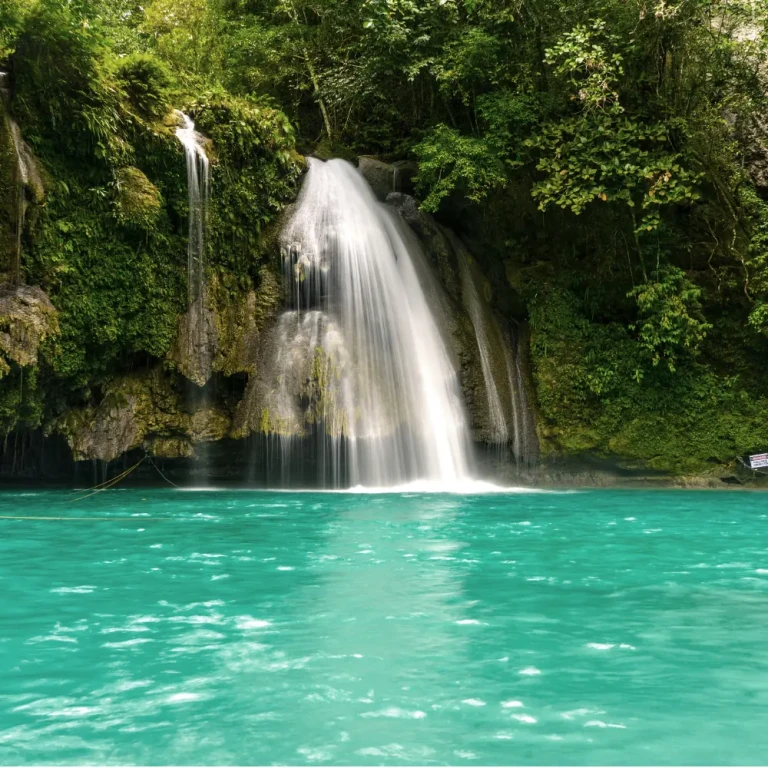
Waterfall trailThe same forest with a seasonal waterfall as the destinationLonger and rougher, roots and rock
Bird watchingBirds specifically, in the productive hoursShort distance, lots of standing still
Secret beachCoastal forest with a quiet beach at the endMixed, with time at the shore

Forest trail in Havelock: frequently asked questions

How difficult is the forest trail?

It is a nature walk rather than a trek. The ground is uneven, with roots and some soft or muddy patches, but there is no serious climbing and the pace is slow with frequent stops. If you can walk on rough ground for a couple of hours, you will be fine.

How long does the forest trail take?

Around 2 to 2.5 hours in total. The distance covered is short, since most of the time goes on stopping and looking rather than on ground covered.

What shoes should I wear?

Closed walking shoes with a grip. Trail surface can be damp and slippery, especially after rain, and closed shoes also keep leeches and scratchy vegetation off your feet. Sandals and flip-flops are not a good idea.

Are there leeches on the trail?

After rain, yes. They are harmless and you will not feel them, they are just unpleasant to find. Closed shoes with socks and insect repellent on your shoes and ankles deal with most of it, and your guide carries salt to remove any that attach.

Are there snakes in the Andaman forest?

There are, as in any tropical forest. Most species on these islands are non-venomous and all of them prefer to avoid people. Staying on the trail, watching where you put your hands and feet, and following the guide is all the precaution required. Sightings are uncommon and usually of a snake leaving.

Is the forest trail suitable for children?

Yes, for children who are happy walking for a couple of hours on uneven ground. The pace is slow and there is plenty to look at. Closed shoes are important for children too.

What happens if it rains?

Light rain is usually fine and the canopy takes a lot of it. Heavy rain makes the trail slippery, so we may change the route or the timing, or move you to another slot during your stay. If nothing suitable is available before you leave, you get a full refund.

What is the difference between the forest trail and the waterfall trail?

The forest trail is about the forest itself and is the easier of the two, at 2 to 2.5 hours. The waterfall trail uses similar forest but is longer and rougher, at 2 to 3 hours, and has a seasonal waterfall as the destination, which depends on recent rainfall. If you want the forest, take this one. If you want a destination, take the waterfall.

How much does the forest trail cost?

₹1,500 per person plus 18% GST, which comes to ₹1,770 per person. That covers the naturalist for the full walk in a small group. Free cancellation up to 24 hours before.

Loved by Travelers

See why we are the top rated dive center in Andaman (Havelock) on Google & TripAdvisor