Havelock Island, Andaman: a dive site guide

Dive Sites in Havelockfrom your first reef to the deep pinnacles

All 21 dive sites we know around Havelock, on one page. Each site has its depth, the boat time, who can dive it, what lives there and the best months. Tap a site to open it, or find it on the map.

  • 21dive sites in this guide
  • 9for a first dive, no licence
  • 5 minby boat to the nearest reef
4.92,096 Google reviews
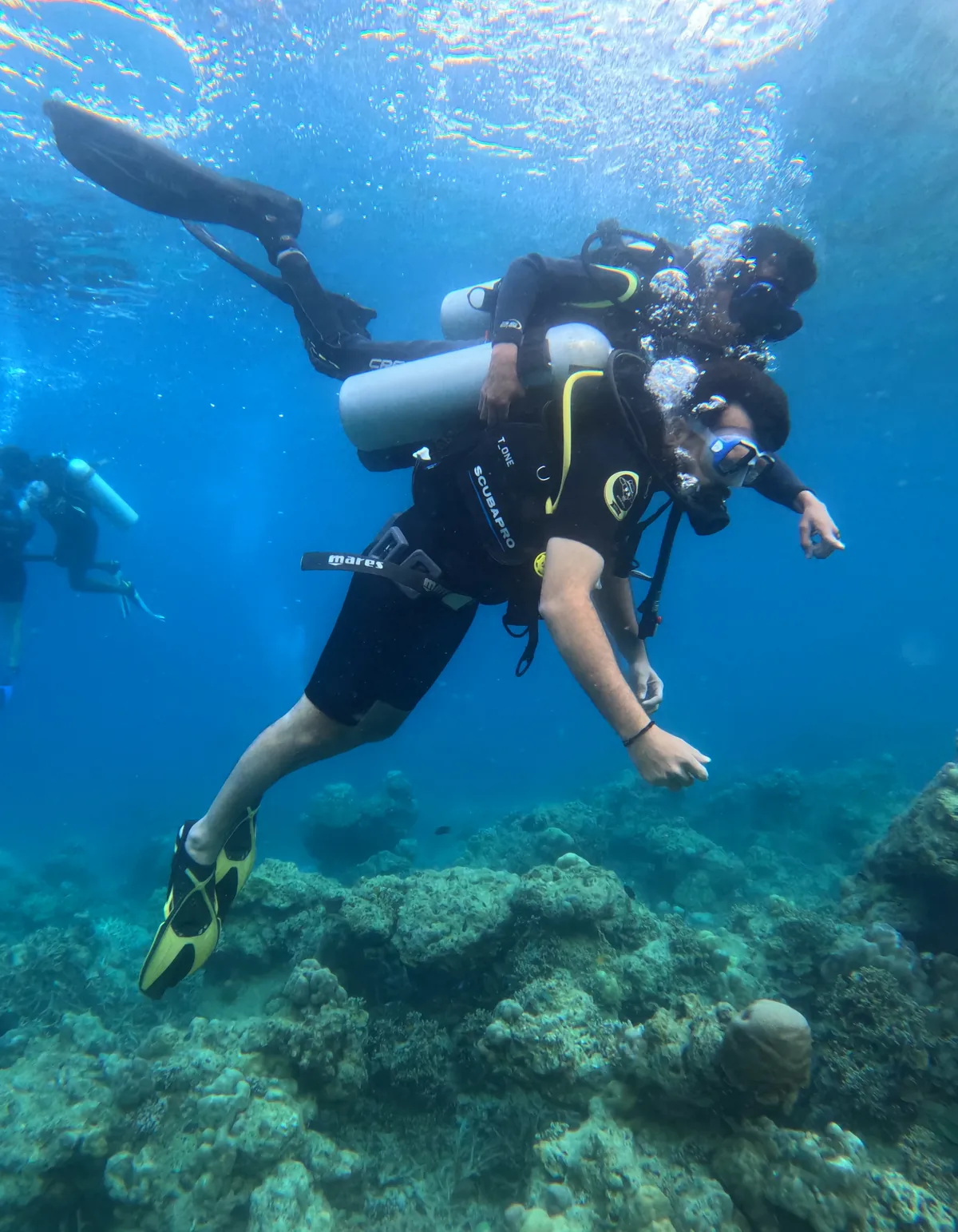
A diver and an instructor swim over a coral reef off Havelock Island

Photo: Anshul Arora, CC BY-SA 4.0, via Wikimedia Commons. Off Havelock Island, Andaman.

The best dive sites in Havelock for a first dive are shallow reefs close to the island: Nemo Reef (from the beach), Red Pillar and Tribe Gate. You need no licence for these, and a try dive stays at 12 m or less. Certified divers can go further, to The Wall, the SS Inchkeith wreck and offshore pinnacles like Dixon's Pinnacle and Johnny's Gorge. The best months are November to April.

Which sites can I dive?

It depends on your training. Pick your level to see your sites.

Map of the dive sites

Most Havelock dive sites for beginners are 5 to 15 minutes by boat from Govind Nagar (Beach No. 3). The offshore sites are 30 to 60 minutes away. Tap a number to open that site.

Havelock Island (Swaraj Dweep) Peel Island John Lawrence Henry Lawrence Outram Inglis Wilson Nicholson Radhanagar Beach (Beach No. 7) Elephant Beach Kalapathar 5 8 9 17 18 19 14 16 11 12 20 13 1520 km W 2122 km W Peel Island John Lawrence Havelock Jetty Beach No. 2 Frogman Govind Nagar 1 2 3 4 6 7 10 1 km 5 km 1 N © OpenStreetMap contributors
First diveOpen WaterAdvancedFrogman centreCoastline © OpenStreetMap contributors. Positions are approximate.

Near the jetty, Peel and John Lawrence islands

West coast

South-east coast

Offshore, for certified divers

All 21 dive sites

Filter by level or by how you get there, or search for a site or an animal. Open a site to see its facts, what lives there, who it suits and how to book.

Showing 21 dive sites. Tap any site to read about it.

SITE 01First diveFrom the beachOpen in monsoon

Nemo Reef

Also called Nemo Beach

Nemo Reef is right off Nemo Beach, so you walk in from the sand instead of taking a boat. The water is calm, and the first part is only 1 to 3 m deep. Most of our first-time divers and non-swimmers start here, with an instructor beside them the whole time.

Depth
1 to 12 m
Try dive depth
Up to 12 m
Who can dive
Anyone 10 and over, no licence
Visibility
10 to 15 m, up to 30 m in Dec to Feb
Current
Sheltered bay, almost no current or surge
Best months
Oct to May, best Dec to Feb
Where
Off Nemo Beach (Beach No. 2), Govind Nagar
Try dive₹3,500per person, GST included

The dive

It all starts on the beach, with a 30 minute briefing on breathing, ears and hand signals. Then you wade into knee-deep water and practise with the regulator until you feel comfortable. Your instructor holds on to you the whole way out over the reef. First comes a shallow coral garden full of small fish, then the anemone beds where the clownfish live. You may also see a big grouper under a ledge, a moray in a crack or a school of blue-striped snappers. The standard dive is 30 minutes underwater. The Pro upgrade (+Rs 1,000) gives you 45 minutes, which is enough time to reach the old jeep at 6 to 8 m. At the end you walk back out on the same sand.

Look out for

  • Walk in from the beach, no boat needed
  • Knee-deep sandy entry, then a coral garden at 1 to 3 m
  • Thick anemone beds with clownfish
  • Old Mahindra jeep at 6 to 8 m, reached on the Pro dive
  • Usually diveable through the monsoon
Our tip

Ask for a slot close to high tide, because that is when the water here is clearest.

What lives here

Tap a name to open it in our fish and coral guides. Wild animals come and go, so nothing is promised.

Who it suits

First-time divers, non-swimmers and anyone who would rather not get on a boat. Certified divers also enjoy it as an easy, shallow dive.

Where it is

SITE 02First diveBoat, 5 to 10 min

Red Pillar

Red Pillar is a small reef just off Peel Island, 5 to 10 minutes by speedboat. The red channel marker stands in the middle of it. You start on the reef top, only 2.5 to 3 m deep, and go down to about 12 m, where coral now covers an old scooter and bicycle.

Depth
2.5 to 12 m
Try dive depth
Up to 12 m
Who can dive
Anyone 10 and over, no licence
Visibility
6 to 9 m, clearer on calm days
Current
Channel reef: usually mild to moderate, strong at times
Best months
Nov to May
Where
Channel reef just off Peel Island, about 1 km north of Havelock
Try dive₹4,000per person, GST included

The dive

You can spot the red marker from the speedboat before you get in. The ride is short and comes after the briefing and shallow practice. Your instructor takes you down slowly onto the crest, a hard coral garden with clownfish in the anemones, while sergeant majors and fusiliers move over the top. Once you feel comfortable, you follow the slope down past the coral-covered pillars to 8 to 12 m. Large barrel sponges grow here, next to the scooter and bicycle that were sunk years ago. Check the sand for stingrays. Your instructor will point out crocodile fish and scorpionfish too. Because the reef is in a channel, there can be some current, so your instructor keeps you close and sets the pace. The standard dive is 30 minutes underwater.

Look out for

  • Red channel marker above the water marks the reef
  • Marker pillars now covered in coral
  • Crest only 2.5 to 3 m deep
  • Large barrel sponges at 8 to 12 m
  • Sunken scooter and bicycle, now covered in coral
Our tip

Come between November and May, when the sea is calm and the channel water is at its clearest.

What lives here

ClownfishSergeant majorFusiliersSnappersAngelfishTriggerfishParrotfishStingrayCrocodile fishScorpionfishStaghorn coralCauliflower coral

Tap a name to open it in our fish and coral guides. Wild animals come and go, so nothing is promised.

Who it suits

First-timers who want a short boat ride and something different from Nemo Reef. Certified divers enjoy it as an easy fun dive with some unusual things to find.

Where it is

SITE 03First diveBoat, 5 minOpen in monsoon

Tribe Gate

Also called Oval Reef, Tribal Gate

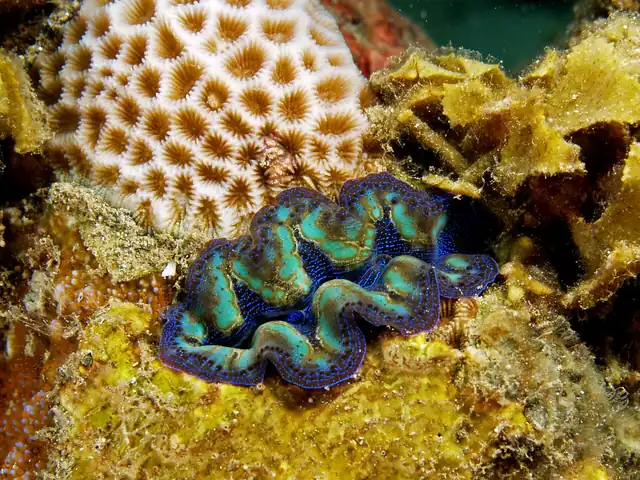
Tribe Gate, also called Oval Reef, is a small underwater hill in the channel off Govind Nagar. Coral shelves step down from 3 to 15 m. Giant clams and clownfish anemones are spread across the reef. In one part the coral died in 2010, and small animals now live in the skeletons.

Depth
3 to 15 m
Try dive depth
Up to 12 m
Who can dive
Anyone 10 and over, no licence
Visibility
15 to 20 m, often more from Dec to May
Current
Low to mild, sometimes moderate; fixed mooring line down and up
Best months
Nov to May
Where
Channel between Havelock and John Lawrence Island, about 3 km off Beach No. 3
Try dive₹4,500per person, GST included

The dive

About five minutes after you leave, the boat ties up to a fixed mooring buoy, so no anchor touches the reef. You go down the mooring line with your instructor holding on to you. At 3 to 4 m the reef top has anemones with clownfish, and young barracuda. Then your instructor leads you along the oval, over shelves of coral. Watch the giant clams: they snap shut as your shadow falls on them. Deeper, at 8 to 12 m, are the coral skeletons left by the 2010 bleaching. Morays, nudibranchs and octopus live in the gaps, and two-spot snappers hang above. You come back up the same mooring line. The standard dive is 30 minutes underwater. The Pro upgrade (+Rs 1,000) gives you 45 minutes, enough to go all the way round the oval and spend longer at the coral skeletons.

Look out for

  • Five minutes by boat, fixed mooring line, no anchor on the reef
  • Many giant clams that close when your shadow passes
  • Several clownfish species in the anemone beds
  • Coral skeletons from 2010, now home to morays and nudibranchs
  • Usually diveable through the monsoon
Our tip

Stay still over a giant clam and watch it close as your shadow reaches it, but never touch it.

What lives here

Tap a name to open it in our fish and coral guides. Wild animals come and go, so nothing is promised.

Who it suits

First-time divers and non-swimmers who are fine with a short boat ride. Certified divers and photographers who like small creatures also enjoy the clams and the coral ruins.

Where it is

SITE 04First diveBoat, about 15 min

Purple Haze

Purple Haze is named for the purple and lavender soft corals and sea fans on its upper slope. Fusiliers and sweetlips move over the reef top. The slope is gradual, so your instructor can take you down slowly. It is also quieter than Tribe Gate.

Depth
Down to 25 m
Try dive depth
Up to 12 m
Who can dive
Anyone 10 and over, no licence
Visibility
15 to 25 m in season, best Dec to Mar
Current
Mild, sometimes a gentle drift along the slope
Best months
Nov to Apr
Where
West coast of Havelock, a short boat ride away
Try dive₹5,000per person, GST included

The dive

Most of this dive is spent on the upper slope, at about 6 to 12 m, where the soft corals and sea fans grow. The speedboat takes about 15 minutes to get there after training and shallow practice. Your instructor holds on to you all the way down the line to the shallow edge of the reef. Loose schools of fusiliers pass over the top, and sweetlips rest in the shade of the coral heads. Pairs of butterflyfish and angelfish feed close by. Clownfish live in the anemones scattered across the reef top. Below 12 m, the lower slope is only for certified divers. The standard dive is 30 minutes underwater.

Look out for

  • Purple and lavender soft corals that give the site its name
  • Sea fans on the upper slope
  • Fusiliers and sweetlips over the reef top
  • Gentle, gradual slope for a first dive
  • Quieter than Tribe Gate
Our tip

Pick a morning slot, when the light is best for your photos.

What lives here

Purple soft coralsSea fansFusiliersSweetlipsClownfishButterflyfishAngelfish

Tap a name to open it in our fish and coral guides. Wild animals come and go, so nothing is promised.

Who it suits

First-time divers who want soft corals rather than hard coral, and certified divers who like looking for small creatures.

Where it is

SITE 05First diveBoat, 10 to 15 min

Juvi's

Also called Juvis

Juvi's lies near John Lawrence Island, 10 to 15 minutes by speedboat. The reef starts at 4 m and slopes gently to 12 m, with a long stretch of round potato corals. Schools of trevally and snappers move above, and on some dives a whitetip reef shark passes along the edge.

Depth
4 to 12 m
Try dive depth
Up to 12 m
Who can dive
Anyone 10 and over, no licence
Visibility
15 to 30 m in Dec to Apr, 10 to 20 m in Oct to Nov
Current
Minimal current, mild at the change of season
Best months
Oct to Apr, best Dec to Apr
Where
Near John Lawrence Island, about 7 km from Govind Nagar
Try dive₹5,500per person, GST included

The dive

From Govind Nagar it is 10 to 15 minutes by boat to the mooring buoy. Your instructor takes you down the line to the reef top at 4 m, where the light is bright and the water is usually calm. The potato corals spread out across the reef from here, with staghorn, table and cauliflower corals between them. Trevally and snappers move over the coral in schools. Parrotfish graze, and groupers sit under the overhangs. Towards the outer edge, at 8 to 12 m, keep an eye on the open water. Whitetip reef sharks are seen here on some dives, more often on mornings from December to April, but not every time. They are calm and keep their distance. The standard dive is 30 minutes underwater.

Look out for

  • About 500 m of round potato corals
  • Reef top at 4 m with bright natural light
  • Whitetip reef sharks seen on some dives along the outer edge
  • Big schools of trevally and snappers
  • Shallow all through, 4 to 12 m
Our tip

Book an early morning slot between December and April for the best chance of seeing a shark.

What lives here

Tap a name to open it in our fish and coral guides. Wild animals come and go, so nothing is promised.

Who it suits

First-timers who want a calm, bright reef with a chance of seeing a shark, and certified divers who want an easy shallow dive.

Where it is

SITE 06First diveBoat, 10 to 15 min

Lighthouse

Lighthouse reef lies below the white lighthouse, in the channel between Havelock and Peel Island, 10 to 15 minutes by boat. The coral slopes gently from 3 m to sand at 23 m. Turtles are often seen here, and it is also the site we use for night dives.

Depth
3 to 23 m
Try dive depth
Up to 12 m
Who can dive
Anyone 10 and over, no licence
Visibility
15 to 25 m, 20 to 30 m in Jan to Feb
Current
Mild, usually under 0.5 knots; sometimes a gentle drift
Best months
Oct to May, best Nov to Mar
Where
West coast, in the channel between Havelock and Peel Island, below the white lighthouse
Try dive₹6,000per person, GST included

The dive

The lighthouse is in view on the shore as the boat runs along the coast. At the mooring buoy you go down with your instructor into shallow coral thickets at 3 to 5 m, with clownfish in the anemones. Most of the dive is in the coral garden between 5 and 12 m. Butterflyfish, angelfish, bannerfish and fusiliers are everywhere here. Unicornfish school near the top, and trevally and barracuda sometimes pass in the open water. Green turtles rest on the reef or graze, most often from February to April, though not on every dive. Try divers stay at 12 m or shallower. Certified divers can go further down the slope, where rays glide over the sand. The standard dive is 30 minutes underwater.

Look out for

  • Green turtles seen often, mostly February to April
  • Coral garden at 5 to 12 m full of reef fish
  • Rays on the sand lower down the slope
  • Night dives run here (separate booking)
  • Suits beginners and certified divers on the same trip
Our tip

Come between February and April if seeing a turtle matters most to you.

What lives here

Tap a name to open it in our fish and coral guides. Wild animals come and go, so nothing is promised.

Who it suits

First-timers, newly certified divers and experienced divers can all go on the same boat. A good pick if you hope to see a turtle.

Where it is

SITE 07First diveBoat, about 15 min

The Slope

The Slope lies in front of the Havelock lighthouse, about 15 minutes by speedboat, right next to The Wall. Coral ridges step down from 4 m to sand at 18 to 20 m. Come here for the small things, like the many kinds of shrimp and the busy cleaning stations. There are sunken pillars too.

Depth
4 to 20 m
Try dive depth
Up to 12 m
Who can dive
Anyone 10 and over, no licence
Visibility
15 to 30 m, best Dec to Mar
Current
Mild to very mild and predictable
Best months
Oct to May, best Dec to Mar
Where
North-west coast, in front of the Havelock lighthouse, next to The Wall
Try dive₹6,500per person, GST included

The dive

Your boat follows the north-west coast and stops in front of the lighthouse. Your instructor takes you down onto the first ridge at 4 to 5 m, where damselfish crowd over the coral boulders. From there you move slowly across the ridges, which step down like seats in a stadium. Stop at a cleaning station and watch the groupers wait while shrimp and cleaner wrasse pick them clean. Your instructor will point out boxer shrimp, glass shrimp and, with luck, a peacock mantis shrimp. Batfish circle the old pillars of a floating lighthouse, now covered in oysters. Try divers stay at 12 m or shallower. Certified divers can drop to the sand, where stingrays sometimes rest. The standard dive is 30 minutes underwater.

Look out for

  • Ridges that step down like rows of seats
  • Seven or more kinds of shrimp
  • Cleaning stations where groupers wait their turn
  • Old lighthouse pillars covered in oysters, with batfish around them
  • Fields of sea whips close by
Our tip

Move slowly and look into the gaps between the coral boulders, where most of the shrimp hide.

What lives here

Banded boxer shrimpDurban dancing shrimpCleaner shrimpPeacock mantis shrimpGroupersBatfishTassled scorpionfishLionfishNudibranchsSea whipGiant morayBanded sea krait

Tap a name to open it in our fish and coral guides. Wild animals come and go, so nothing is promised.

Who it suits

Divers who like looking closely at small creatures, and anyone who has done Nemo Reef or Tribe Gate and wants something new. Beginners are fine here with an instructor.

Where it is

SITE 08First diveBoat, half-morning trip

Turtle Beach

Turtle Beach is on Havelock's quiet south-east coast, a longer boat trip than our other sites. Few divers come here. The staghorn coral is in good health and covers roughly 80% of the reef. The water is very calm, and stingrays rest on the white sand below.

Depth
2 to 18 m
Try dive depth
Up to 12 m
Who can dive
Anyone 10 and over, no licence
Visibility
20 to 40 m in season, best Dec to Feb
Current
Very low current and almost no surge
Best months
Oct to May, best Dec to Feb
Where
Off a quiet beach on the south-east coast of Havelock
Try dive₹7,000per person, GST included

The dive

Plan for half a morning, because the boat trip along the coast is a long one. On the beach above the site you can see big trees knocked down by the 2004 tsunami. You enter calm, shallow water and go down with your instructor onto the reef top at 2 to 3 m. Staghorn branches spread out on every side, and thousands of bannerfish and fusiliers move through them. Parrotfish graze, and you can hear them crunching coral. Lower down, where coral meets sand at 10 to 15 m, Kuhl's stingrays usually lie still on the bottom. The beach was once a turtle nesting site, which gave the reef its name. Turtles still pass through now and then, but sightings are occasional. Try divers stay at 12 m or shallower. The standard dive is 30 minutes underwater.

Look out for

  • Staghorn coral covers roughly 80% of the reef
  • Few other divers, far from the busy sites
  • Kuhl's stingrays resting on white sand
  • Very calm water, 20 to 40 m visibility in season
  • Trees knocked down by the 2004 tsunami on the beach above
Our tip

From June to September we confirm this trip against the weather a day before, so keep your plans flexible.

What lives here

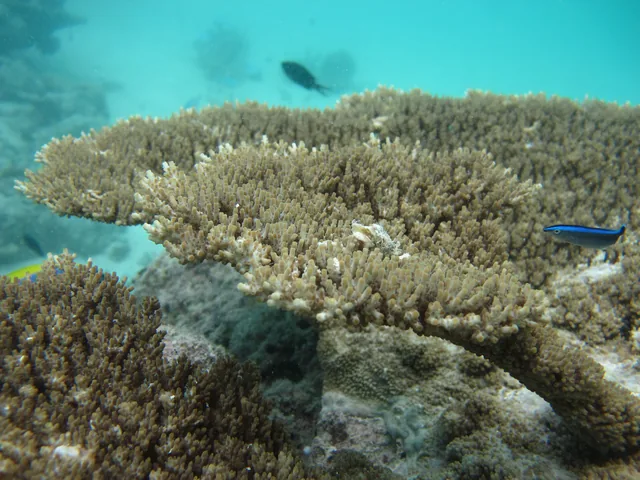
Staghorn coralBannerfishKuhl's stingrayFusiliersBumphead parrotfishClownfishBlue-striped snapperGroupersBarracudaNudibranchsOctopusSea turtle

Tap a name to open it in our fish and coral guides. Wild animals come and go, so nothing is promised.

Who it suits

Divers who want healthy coral and an uncrowded reef, including nervous first-timers who need very calm water.

Where it is

SITE 09First diveBoat, 10 to 15 min

Aquarium

Also called The Aquarium

The Aquarium is a long, shallow reef close to the shore off Havelock's south-west coast, 10 to 15 minutes by speedboat. Dense hard coral, coral heads and clouds of reef fish are all between 2 and 15 m. The reef is sheltered from swell, so the water stays calm on most days in season.

Depth
2 to 15 m
Try dive depth
Up to 12 m
Who can dive
Anyone 10 and over, no licence
Visibility
15 to 25 m, best Dec to Apr
Current
Nil to slight, sheltered from swell
Best months
Oct to May, best Dec to Apr
Where
South-west coast of Havelock, close to shore
Try dive₹7,500per person, GST included

The dive

It is a short ride to the sheltered south-west side, and the water often gets clearer as you arrive. You go down with your instructor onto the reef flat at 2 to 5 m, where the light is strongest and clownfish sit in their anemones. Your instructor then guides you between the bommies. Each one has its own fish. Snappers school in mid-water, parrotfish graze and groupers watch from the cracks. Giant trevally sometimes sweep along the edge, and once in a while a Napoleon wrasse comes past. Sand corridors between the coral give you space to settle and practise your buoyancy. Try divers stay at 12 m or shallower. The standard dive is 30 minutes underwater.

Look out for

  • Dense hard coral and lots of reef fish in bright, shallow water
  • Coral bommies, each with its own group of fish
  • Sand corridors where beginners can settle
  • West facing and sheltered, calm on most days in season
  • Everything happens between 2 and 15 m
Our tip

On a windy day, ask about the Aquarium, because its sheltered reef often stays calm when other sites are rough.

What lives here

Tap a name to open it in our fish and coral guides. Wild animals come and go, so nothing is promised.

Who it suits

First-timers who want lots of fish in calm water, and certified divers who want to practise buoyancy or film good footage.

Where it is

SITE 10Open WaterBoat, 10 to 15 min

The Wall

The Wall sits in the channel between Havelock and Peel Island, a short boat ride out. A coral ridge at 10 to 18 m suits Open Water divers, then the reef drops as a wall past 55 m. Trevally hunt along the face, and octopus are busy on the ridge from December to March.

Depth
10 to 55 m
Who can dive
Open Water certified
Visibility
10 to 25 m
Current
Mild to moderate, mostly from the east; often dived as a gentle drift
Best months
Dec to Apr
Where
In the channel between Havelock and Peel Island, near the Havelock lighthouse
Certified diversFun diveAsk us which days we go. Fun dives start at ₹3,500 for one dive.

Underwater: what lives at each depth

Coral ridge at 10 to 18 m, then a near vertical wall that drops past 55 m.

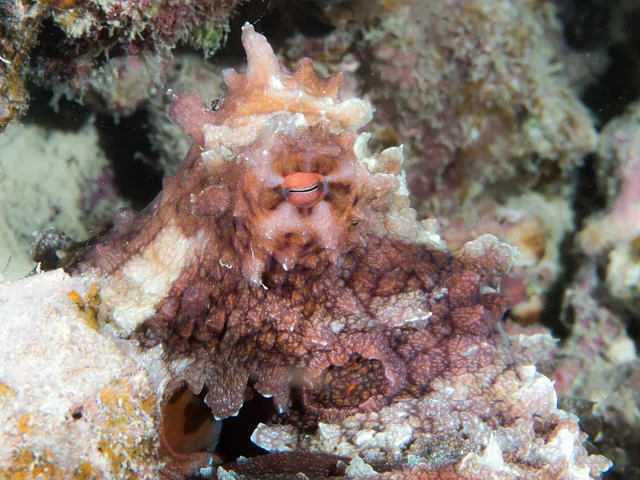
Napoleon wrasseDay octopusBroadclub cuttlefishGiant morayLionfishGiant trevallyGreat barracudaNudibranchsFusilier schoolsOriental sweetlipsGiant grouperOrnate ghost pipefish

Tap a name to open it in our fish and coral guides. Wild animals come and go, so nothing is promised.

The dive

Ferries and cargo boats use this channel, so we dive it at set times. The boat ride is only 10 to 15 minutes. You drop onto the ridge at about 10 m, a mix of coral rock and sand. Open Water divers follow the edge of the wall down to 18 m at most, with soft corals on one side and open blue on the other. Advanced divers can go deeper on the face with their guide, within their training limit. The current usually runs mild to moderate, and we often let it carry us along as a gentle drift. On the ridge, look for octopus, cuttlefish and nudibranchs. Off the edge, trevally hunt fusiliers. We finish on the ridge for the safety stop.

Look out for

  • Ridge at 10 to 18 m that Open Water divers can explore
  • Wall face with purple, red, yellow and white soft corals
  • Trevally and barracuda hunting fusiliers off the edge
  • Octopus and cuttlefish busy on the ridge from December to March
  • A large Napoleon wrasse the guides call Pierre
Our tip

Agree your maximum depth with your guide before you go in. The wall goes far deeper than any recreational limit, and it is easy to sink while you look at the face.

Who it suits

Open Water divers who want their first wall and stay on the ridge to 18 m, and Advanced divers who want the deeper face.

Where it is

SITE 11Open WaterBoat, 10 to 15 min

Pilot Reef

Also called North Pilot

Pilot Reef is a large patch reef of coral and rock on white sand, a short boat ride out. Leopard sharks are often seen resting on the sand at 18 to 25 m, and a tall school of phantom bannerfish hangs near the mooring line.

Depth
8 to 25 m
Who can dive
Open Water certified
Visibility
15 to 30 m
Current
Light to mild; open to wind and swell from the east
Best months
Dec to Apr
Where
Near the shipping channel entrance, about 5 to 6 km east of the Havelock jetty
Certified diversFun diveAsk us which days we go. Fun dives start at ₹3,500 for one dive.

Underwater: what lives at each depth

Large patch reef of coral and rock outcrops on white sand, reaching sand at 18 to 25 m.

Phantom bannerfishLeopard shark (zebra shark)Marbled rayWhitetip reef sharkKuhl's stingrayGreat barracudaBluestriped snapperLongfin bannerfishMoorish idolScorpionfishStonefishOctopus

Tap a name to open it in our fish and coral guides. Wild animals come and go, so nothing is promised.

The dive

It takes only 10 to 15 minutes to get here. We go down the mooring line, and at about 8 m you usually pass the school of phantom bannerfish that hangs beside it. Your guide then leads you between the coral outcrops towards the sandy banks. Open Water divers stay at 18 m or above on the reef. Advanced divers can go down to 25 m, where leopard sharks and marbled rays often rest on the sand. The reef has hiding places everywhere, so look slowly for scorpionfish, stonefish and octopus. We end the dive back on the shallow reef top, which keeps the safety stop easy.

Look out for

  • Leopard sharks often seen resting on the sand
  • A tall school of phantom bannerfish near the mooring at about 8 m
  • Marbled rays on the sandy banks
  • Lots of small life: scorpionfish, stonefish, octopus, nudibranchs
  • Short boat ride out
Our tip

Never touch or ride a resting leopard shark. Stay low, keep a few metres away and let it decide whether to move.

Who it suits

Open Water divers and above. Good for photographers and anyone who likes slow, careful dives looking for small animals.

Where it is

SITE 12Open WaterBoat, 15 to 30 min

Mac Point

Mac Point is a shallow reef of branching hard corals with sandy patches and seagrass, at about 10 to 15 m. Turtles graze here. Dugongs, the state animal of the Andaman and Nicobar Islands, have also been seen. They are rare and shy, so a sighting is pure luck.

Depth
10 to 15 m
Who can dive
Open Water certified
Visibility
15 to 25 m
Current
Usually light; a calm, easy site
Best months
Dec to Mar
Where
Boat dive off Havelock, exact position not published
Certified diversFun diveAsk us which days we go. Fun dives start at ₹3,500 for one dive.

Underwater: what lives at each depth

Shallow hard coral garden of branching corals with sand and seagrass patches.

Green turtleHawksbill turtleStaghorn coralKuhl's stingrayOcellaris clownfishSnappersFusiliersButterflyfishDamselfishBumphead parrotfishBroadclub cuttlefishDugong

Tap a name to open it in our fish and coral guides. Wild animals come and go, so nothing is promised.

The dive

This is a relaxed boat dive with very little current. You drop onto the reef at about 10 m and move slowly over thickets of staghorn and other branching corals, with snapper, fusiliers, butterflyfish and damselfish all around. Between the coral blocks are patches of sand and seagrass. Your guide slows down along these edges and looks for turtles feeding and, on a very lucky day, a dugong. The site rarely goes deeper than 15 m, so there is plenty of time to look around and take photos. The safety stop is done right over the reef.

Look out for

  • Thickets of staghorn and other branching corals
  • Seagrass patches where dugongs have been seen
  • Turtles feeding on the reef and seagrass
  • Easy depth for a long, relaxed dive
Our tip

If a dugong appears, stay still and low and let it pass. Chasing it makes it leave, and it is a protected animal.

Who it suits

Open Water divers who want an easy, shallow dive, and photographers who like coral gardens.

Where it is

SITE 13Open WaterBoat, 10 to 15 min

Seduction Point

Seduction Point is a large submerged rock a short boat ride away, dived at about 5 to 18 m. Thick stands of staghorn coral cover the slope, and the Napoleon wrasse here often swim close to divers. It is an easy, gentle dive.

Depth
5 to 18 m
Who can dive
Open Water certified
Visibility
15 to 30 m
Current
Soft and easy to predict
Best months
Dec to Mar
Where
A short boat ride from Havelock, exact position not published
Certified diversFun diveAsk us which days we go. Fun dives start at ₹3,500 for one dive.

Underwater: what lives at each depth

Large submerged rock on a sloping rocky seabed, wrapped in staghorn coral.

Napoleon wrasseStaghorn coralHawksbill turtleGiant morayGiant grouperBumphead parrotfishOcellaris clownfishBroadclub cuttlefishNudibranchsScorpionfishShrimpBarracuda

Tap a name to open it in our fish and coral guides. Wild animals come and go, so nothing is promised.

The dive

The boat ride is short. You descend onto the top of the rock and follow the sloping seabed around it. The current is usually soft, so the pace is slow. Large fields of staghorn coral grow on the slope, packed with small reef fish, and moray eels look out from the gaps. The Napoleon wrasse here are used to divers and often come over for a look. Keep your distance and let them choose how close to come. Your guide may also point out scorpionfish and groups of shrimp. The deepest part is about 18 m, so Open Water divers can see the whole site. We finish near the top of the rock for the safety stop.

Look out for

  • Thick stands of staghorn coral
  • Napoleon wrasse that often come close to divers
  • A big rock with a hilly reef around it
Our tip

Keep well clear of the staghorn. The branches snap at a touch, so hold your fins up and your buoyancy steady.

Who it suits

Open Water divers and above who like a calm dive and healthy hard coral. A good second dive after a deeper morning site.

Where it is

SITE 14AdvancedBoat, 40 to 50 min

Minerva Ledge

Also called Minerva's Ledge, Minerva

Minerva Ledge is a big, flat reef about 18 km east of Havelock, close to Johnny's Gorge. It is dived at 12 to 24 m, mostly 14 to 18 m, as a drift. The current carries you over hard coral gardens and past giant groupers sheltering under the ledges.

Depth
12 to 24 m
Who can dive
Advanced certified
Visibility
15 to 30 m
Current
Mild on some days and strong on others; dived as a drift
Best months
Dec to Apr
Where
Open sea about 18 km east of Havelock, close to Johnny's Gorge
Certified diversFun diveAn offshore two-dive trip, ₹10,000. We go when the sea is calm and there are enough divers.

Underwater: what lives at each depth

Huge flat ledge of hard coral gardens that slopes into deeper water on its east side.

Tap a name to open it in our fish and coral guides. Wild animals come and go, so nothing is promised.

The dive

The ride is 40 to 50 minutes, and we often pair this dive with one at Johnny's Gorge. The ledge is too big for one dive, so your guide picks one of its sections based on the current. On a strong day we go down quickly as a group and settle close to the reef, where the water moves slower. Then you just hold your depth and let the current do the work. You pass flat hard coral gardens, schools of snapper and fusiliers, and groupers tucked under the rocks. Keep an eye out for moray eels and banded sea kraits. At the end we do the safety stop together in open water, and the boat comes to pick us up.

Look out for

  • A ledge too big for one dive, with three main sections
  • Flat hard coral gardens
  • Giant groupers under the rocky overhangs
  • Big schools of snapper and fusiliers in the current
  • Our main drift dive
Our tip

Stay close to the reef and to your guide. The current is weakest near the bottom, and a group that stays tight surfaces together.

Who it suits

Divers who have done drift dives before and have good buoyancy. Open Water divers can join on milder days with their guide's approval, staying above 18 m.

Where it is

SITE 15AdvancedBoat, 40 to 50 min

White House Rock

Also called Whitehouse Rock

White House Rock rises from about 40 m almost to the surface, roughly 20 km west of Havelock. One side is a steep wall with black coral and fans, the other a gentler coral slope. Schools of bannerfish, snapper and fusiliers crowd the rock, and turtles graze on the top.

Depth
8 to 36 m
Who can dive
Advanced certified
Visibility
15 to 30 m
Current
Usually mild to moderate, can change with the tide
Best months
Dec to Apr
Where
Open sea about 20 km west of Havelock
Certified diversFun diveAn offshore two-dive trip, ₹10,000. We go when the sea is calm and there are enough divers.

Underwater: what lives at each depth

Tall rock rising from about 40 m almost to the surface, steep wall on one side, coral slope on the other.

Napoleon wrasseBlack coralSchooling bannerfishBluestriped snapperFusilier schoolsTrevallyHawksbill turtleGiant grouperGreat barracudaLong-spined sea urchinWhitetip reef sharkMarbled ray

Tap a name to open it in our fish and coral guides. Wild animals come and go, so nothing is promised.

The dive

Dolphins sometimes ride the bow on the 40 to 50 minute boat ride out. You descend onto the reef top at about 8 m, and your guide picks the wall or the slope, depending on the current. On the wall side the rock drops steeply. From about 20 m you start to see black coral with white polyps, and fan corals. The slope side has hard coral gardens at 12 to 25 m, where the fish schools gather. Advanced divers can visit the deeper sand near 35 m for a short time. Then we work back up the rock and finish on the shallow top, an easy place for the safety stop.

Look out for

  • Black coral with white polyps on the deeper rock
  • Steep wall on one side, gentle coral slope on the other
  • Thick schools of bannerfish, fusiliers and trevally
  • Turtles grazing on the reef top
  • Fan corals around the base of the rock
Our tip

Do not touch or kick the black coral. It grows very slowly and is a protected animal in India.

Who it suits

Advanced divers, or Open Water divers with many logged dives who are happy to stay on the upper slope with their guide.

Where it is

SITE 16AdvancedBoat, 40 to 50 min

Broken Ledge

Broken Ledge is a group of low rocks on the sand at about 24 m, northeast of Havelock. The rocks are cut by small canyons and overhangs where turtles, marbled rays and giant morays shelter from the current. Big schools of longfin bannerfish hang above.

Depth
16 to 30 m
Who can dive
Advanced certified
Visibility
15 to 30 m
Current
Mild to moderate; the rocks give some shelter
Best months
Dec to Mar
Where
Open sea about 19 km northeast of Havelock
Certified diversFun diveAn offshore two-dive trip, ₹10,000. We go when the sea is calm and there are enough divers.

Underwater: what lives at each depth

Low rocky outcrops on sand at about 24 m, cut by small canyons, cracks and overhangs.

Tap a name to open it in our fish and coral guides. Wild animals come and go, so nothing is promised.

The dive

You descend to the top of the rocks at around 16 to 20 m after a 40 to 50 minute boat ride. Your guide leads you along the ledge, in and out of the small canyons. Look under the overhangs for resting turtles, giant morays and lionfish, and out on the sand for whitetip reef sharks and marbled rays. The bannerfish schools are thick here, and Napoleon wrasse often swim past. In the narrow gaps you need good buoyancy, so you do not touch the rock or stir up the sand. When your safe time at depth gets short, we move up to the shallower rocks and finish with a safety stop.

Look out for

  • Small canyons and overhangs to explore
  • Turtles and marbled rays sheltering in the gaps
  • Whitetip reef sharks on the sand
  • Big schools of longfin bannerfish
  • Giant morays in the cracks
Our tip

Never reach into the cracks. Morays and sea kraits live there, and the coral breaks easily.

Who it suits

Advanced divers who can hold steady buoyancy at 25 to 30 m in tight spaces.

Where it is

SITE 17AdvancedBoat, 40 to 45 min

Johnny's Gorge

Johnny's Gorge is a deep reef about 19 km east of Havelock, with low rocks rising from sand at 25 to 30 m. Whitetip reef sharks are often seen here, and trevally and barracuda hunt over the reef. It is a long boat ride, so we go early on calm days.

Depth
20 to 30 m
Who can dive
Advanced certified
Visibility
15 to 25 m
Current
Often 0.5 to 1.5 knots, can push you sideways over the reef
Best months
Nov to Apr
Where
Open sea about 19 km east of Havelock
Certified diversFun diveAn offshore two-dive trip, ₹10,000. We go when the sea is calm and there are enough divers.

Underwater: what lives at each depth

Ring of low rocky outcrops on a sandy floor at 25 to 30 m, sand on every side.

Whitetip reef sharkSpotted garden eelGreat barracudaGiant trevallyBlue-spotted stingrayHawksbill turtleGiant grouperGiant moraySnapper schoolsBumphead parrotfishLionfishNurse shark

Tap a name to open it in our fish and coral guides. Wild animals come and go, so nothing is promised.

The dive

We leave at dawn for the 40 to 45 minute boat ride and go down the line through clear blue water. The reef top comes into view at about 20 m. Your guide leads you around the ring of rocks at 24 to 30 m. Look under the ledges, and out on the sand, where whitetip reef sharks often rest. Groupers and turtles wait their turn at the cleaning stations, and trevally and barracuda often hunt the fish schools above you. At this depth your safe time runs out fast, so the deep part of the dive is short. We come up the line slowly and make a safety stop at 5 m before climbing back on the boat.

Look out for

  • Whitetip reef sharks often seen resting on the sand
  • Trevally and barracuda hunting the fish schools
  • Cleaning stations visited by groupers and turtles
  • Garden eels in the sand around the reef
  • Named after Johnny, one of three Karen brothers from Havelock
Our tip

Ask for Nitrox (Rs 750 a tank, book 24 hours ahead, Nitrox card needed). It gives you more time on the reef at this depth.

Who it suits

Advanced divers who are comfortable at 30 m and in some current. It is not a site for a first deep dive.

Where it is

SITE 18AdvancedBoat, 45 to 60 min

Dixon's Pinnacle

Also called Dickson's Pinnacle, Dixon's Pinnacles

Dixon's Pinnacle is three rock spires about 16 to 19 km south-east of the Havelock jetty, dived from 16 to 35 m. Yellow soft coral covers the pinnacles. They are cleaning stations, so big fish keep coming in. On some days in season divers meet manta rays, but nobody can promise one.

Depth
16 to 35 m
Who can dive
Advanced certified
Visibility
15 to 30 m
Current
Moderate
Best months
Nov to Apr
Where
Open sea south-east of Havelock, about 16 to 19 km from the jetty
Certified diversFun diveAn offshore two-dive trip, ₹10,000. We go when the sea is calm and there are enough divers.

Underwater: what lives at each depth

Three rock pinnacles with tops at 18 to 23 m, sandy valleys between them, bottom past 40 m.

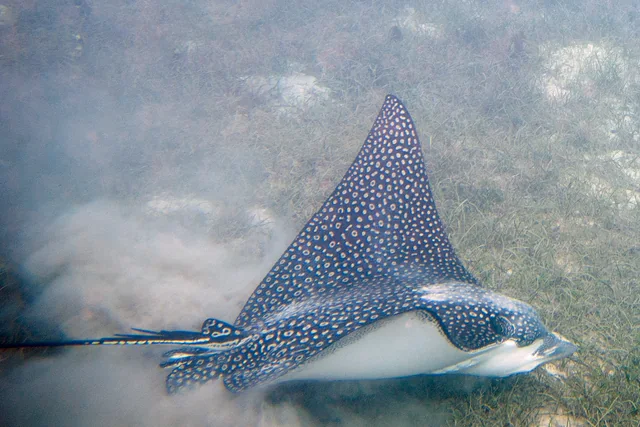
Napoleon wrasseGiant grouperGiant trevallyGreat barracudaWhitetip reef sharkSnapper schoolsAnthiasSurgeonfish schoolsSea turtleManta raySpotted eagle rayWhale shark

Tap a name to open it in our fish and coral guides. Wild animals come and go, so nothing is promised.

The dive

This site is 45 to 60 minutes away by boat, so we leave early. You descend through clear blue water, and the first pinnacle appears below at about 18 m, covered in yellow soft coral with clouds of small fish around it. Your guide plans the route with the current. You move along the pinnacle walls and, if conditions allow, across a sandy valley to the next spire. Look for Napoleon wrasse, groupers waiting at the cleaning stations and trevally hunting in the open water. Time at 30 m and below is short, so the dive works its way up the pinnacle to finish shallower. Then comes a slow ascent and a safety stop at 5 m.

Look out for

  • Three pinnacles covered in yellow soft coral
  • Cleaning stations that draw in big fish
  • Napoleon wrasse, groupers and big snapper schools
  • Manta rays on some days in season, whale sharks rarely
  • Named after Dickson, one of three Karen brothers from Havelock
Our tip

Check your computer often. On the pinnacle walls it is easy to sink deeper than planned while you watch the open water.

Who it suits

Advanced divers with recent deep dives who stay steady in mild current. If your last deep dive was long ago, we may suggest a closer site first.

Where it is

SITE 19AdvancedBoat, 45 to 60 min

Jackson's Bar

Also called Jackson Bar

Jackson's Bar is a wide rocky plateau about 19 km northeast of Havelock, starting around 18 m and sloping past 30 m. It is fully open to the current, which brings thick schools of snapper, eagle rays and whitetip reef sharks. This is a dive for experienced divers only.

Depth
18 to 36 m
Who can dive
Advanced certified
Visibility
20 to 40 m
Current
Strong current across the plateau; dived as a drift
Best months
Nov to Apr
Where
Open sea about 19 km northeast of Havelock
Certified diversFun diveAn offshore two-dive trip, ₹10,000. We go when the sea is calm and there are enough divers.

Underwater: what lives at each depth

Wide rocky plateau from about 18 to 25 m, sloping to sand past 30 m.

Spotted eagle rayWhitetip reef sharkBengal snapper schoolsFusilier schoolsKuhl's stingrayMarbled rayGreat barracudaGiant trevallyGiant grouperGarden eelsManta rayNapoleon wrasse

Tap a name to open it in our fish and coral guides. Wild animals come and go, so nothing is promised.

The dive

After a 45 to 60 minute boat ride, we check the current from the boat before anyone gets in. You go down quickly with your guide to reach the plateau, because the current can be strong right from the surface. On the reef we stay low, use the rocks for shelter and let the flow carry us across. Big schools of snapper and fusiliers hang in the current. Eagle rays fly past, and Kuhl's stingrays rest on the sand at the edges. Keep watching the open water. Time is short at 25 to 30 m, so we rise to the shallower part of the plateau to end the dive, then do the safety stop before the boat picks us up.

Look out for

  • Thick schools of snapper and fusiliers hanging in the current
  • Eagle rays riding the flow
  • Kuhl's stingrays resting on the sand
  • Whitetip reef sharks, and manta rays on some days
  • Named after Jackson, one of three Karen brothers from Havelock
Our tip

Practise a quick, controlled descent with your guide on an easier site first. Getting down fast keeps the group together here.

Who it suits

Advanced divers who have dived in strong current before and can hold their depth without effort. Not a first deep dive.

Where it is

SITE 20AdvancedBoat, 25 to 35 min

Barracuda City

Barracuda City is an offshore reef northeast of Havelock, dived at 15 to 30 m. A coral belt leads to a platform at about 15 m where chevron barracuda often school, then the reef drops as a wall covered in soft corals and fans. Turtles are often seen too.

Depth
15 to 30 m
Who can dive
Advanced certified
Visibility
15 to 30 m
Current
Mild to moderate, stronger on big tides
Best months
Dec to Mar
Where
Offshore reef northeast of Havelock
Certified diversFun diveAn offshore two-dive trip, ₹10,000. We go when the sea is calm and there are enough divers.

Underwater: what lives at each depth

Long coral belt sloping to a platform at 15 to 16 m, then a wall down to about 30 m.

Tap a name to open it in our fish and coral guides. Wild animals come and go, so nothing is promised.

The dive

The ride is 25 to 35 minutes. You descend along the sloping reef to the platform at about 15 to 16 m, where the barracuda schools usually gather. Hover still with your guide and let them come to you, because chasing only pushes them away. From the platform your guide may take you along the top of the wall. Soft corals, sea fans and whip corals grow on the face, with open blue beside you. Watch your depth here, as the wall goes deeper than you think. Look in the coral for turtles, giant morays and octopus. We come back up the slope for the safety stop.

Look out for

  • Schools of chevron barracuda turning slowly over the platform
  • Turtles on the reef
  • Soft corals, sea fans and whip corals on the wall
  • Mixed hard and soft coral belt
Our tip

Stay still and breathe slowly when the barracuda come close. Quiet divers get the best view of the school.

Who it suits

Advanced divers, or experienced Open Water divers who stay on the 15 m platform with their guide.

Where it is

SITE 21Open WaterBoat, 45 to 60 min

SS Inchkeith Wreck

Also called Inchkeith Wreck, Inchket Wreck

The SS Inchkeith was a steel cargo ship, built in 1923, that ran onto rocks in bad weather on 2 March 1955 and was lost. It lies about 20 km west of Havelock, with the stern upright at 18 m beside a huge propeller. The water here is often green and dim, which suits the small life.

Depth
5 to 22 m
Who can dive
Open Water certified
Visibility
5 to 15 m
Current
Weak to moderate with the tide; we plan the dive for slack water
Best months
Nov to Apr
Where
About 20 km west of Havelock, towards Port Meadows on the South Andaman side
Certified diversFun diveAn offshore two-dive trip, ₹10,000. We go when the sea is calm and there are enough divers.

Underwater: what lives at each depth

Steel cargo ship about 111 m long on sand: bow on its side in 5 to 10 m, stern upright at 18 m.

Giant grouperTassled scorpionfishLionfishGiant morayBanded boxer shrimpNudibranchsBluestriped snapperKuhl's stingrayOrnate ghost pipefishLobstersGreat barracuda

Tap a name to open it in our fish and coral guides. Wild animals come and go, so nothing is promised.

The dive

Expect an early start, because the ride takes 45 to 60 minutes. We plan the dive for weak current and go down to the stern, which sits upright on the sand at about 18 m. The propeller is the big sight, crusted with anemones and coral. From there your guide leads you along the hull towards the bow. It lies on its side in shallower water, with its hatches and cargo holds open. We stay outside the ship and do not go into the holds. Bring your eyes close to the metal to find ghost pipefish, nudibranchs and scorpionfish. Giant groupers live around the wreck, and barracuda sometimes pass by. The safety stop is done over the shallow bow.

Look out for

  • Huge propeller at the upright stern
  • Bow lying on its side with open hatches and holds
  • Ghost pipefish, nudibranchs and scorpionfish on the metal
  • Giant groupers living around the hull
  • Built in 1923, sank on 2 March 1955
Our tip

Keep your fins high and your kicks gentle near the hull. Silt lifts easily and takes the visibility away for everyone.

Who it suits

Open Water divers and above who stay calm in lower visibility. You do not need a wreck course, because we stay outside the ship.

Where it is

No dive site matches that search. Try another name.

Compare the dive sites

Every site side by side. Tap a name to open it.

Dive siteLevelDepthGetting thereVisibilityCurrentBest monthsPrice
First dive1 to 12 mFrom the beach10 to 15 m, up to 30 m in Dec to FebNoneOct to May, best Dec to Feb₹3,500
First dive2.5 to 12 mBoat, 5 to 10 min6 to 9 m, clearer on calm daysModerateNov to May₹4,000
First dive3 to 15 mBoat, 5 min15 to 20 m, often more from Dec to MayLowNov to May₹4,500
First diveDown to 25 mBoat, about 15 min15 to 25 m in season, best Dec to MarMildNov to Apr₹5,000
First dive4 to 12 mBoat, 10 to 15 min15 to 30 m in Dec to Apr, 10 to 20 m in Oct to NovLowOct to Apr, best Dec to Apr₹5,500
First dive3 to 23 mBoat, 10 to 15 min15 to 25 m, 20 to 30 m in Jan to FebMildOct to May, best Nov to Mar₹6,000
First dive4 to 20 mBoat, about 15 min15 to 30 m, best Dec to MarMildOct to May, best Dec to Mar₹6,500
First dive2 to 18 mBoat, half-morning trip20 to 40 m in season, best Dec to FebLowOct to May, best Dec to Feb₹7,000
First dive2 to 15 mBoat, 10 to 15 min15 to 25 m, best Dec to AprLowOct to May, best Dec to Apr₹7,500
Open Water10 to 55 mBoat, 10 to 15 min10 to 25 mModerateDec to AprFun dive
Open Water8 to 25 mBoat, 10 to 15 min15 to 30 mMildDec to AprFun dive
Open Water10 to 15 mBoat, 15 to 30 min15 to 25 mLowDec to MarFun dive
Open Water5 to 18 mBoat, 10 to 15 min15 to 30 mLowDec to MarFun dive
Advanced12 to 24 mBoat, 40 to 50 min15 to 30 mStrongDec to AprFun dive
Advanced8 to 36 mBoat, 40 to 50 min15 to 30 mModerateDec to AprFun dive
Advanced16 to 30 mBoat, 40 to 50 min15 to 30 mModerateDec to MarFun dive
Advanced20 to 30 mBoat, 40 to 45 min15 to 25 mModerateNov to AprFun dive
Advanced16 to 35 mBoat, 45 to 60 min15 to 30 mModerateNov to AprFun dive
Advanced18 to 36 mBoat, 45 to 60 min20 to 40 mStrongNov to AprFun dive
Advanced15 to 30 mBoat, 25 to 35 min15 to 30 mModerateDec to MarFun dive
Open Water5 to 22 mBoat, 45 to 60 min5 to 15 mMildNov to AprFun dive

Depth is the range of the whole site. On a try dive you stay at 12 m or less, whatever the site. Visibility and current change every day. Prices are per person and include GST. Fun dive prices depend on the site and the number of dives.

Best time for scuba diving in Havelock

The season runs from about October to May. The clearest water is usually December to April. Bars show how good a month usually is, with typical visibility under each one.

  1. JanPeak22 m
  2. FebPeak24 m
  3. MarPeak25 m
  4. AprPeak24 m
  5. MayShoulder18 m
  6. JunMonsoon12 m
  7. JulMonsoon10 m
  8. AugMonsoon10 m
  9. SepMonsoon14 m
  10. OctShoulder16 m
  11. NovPeak20 m
  12. DecPeak22 m
November to April

Calm sea, warm water (about 27 to 29°C) and the best visibility. All sites can run, including the offshore pinnacles.

May and October

The weather can change. Most days are fine for the reefs near Havelock. Offshore trips depend on the sea.

June to September

Monsoon. Some days the boats cannot go out. The sheltered sites, Nemo Reef and Tribe Gate, usually still run.

Before you dive

A few simple habits make any dive here safer and easier.

Dive in the morning

The sea is usually calmest and the water clearest before noon. Most of our boats leave early.

Fill in the medical form

Everyone fills in a short medical form. You only need a doctor's sign-off if you answer yes to a medical question.

No flying straight after

Leave at least 18 to 24 hours between your last dive and your flight. Plan your dive day before your last day on Havelock.

Look, do not touch

Hard corals are protected by law in India. Keep your hands and fins off the reef, and never feed the fish.

Seasick on boats?

The offshore sites mean 30 to 60 minutes on the open sea. Eat a light breakfast and take a seasickness tablet if you need one.

Photos are included

Our try dives include underwater photos and videos taken by the team, so you can keep your hands free.

Dive with Frogman

Pick a site. We will take you there.

Send us your level and your dates on WhatsApp, and we will suggest the right site for the day. First dives are with an instructor, and every dive is in a small group.

First dive₹3,500Nemo Reef, GST included
Fun dive₹3,500one dive, certified divers
Open Water₹29,000certification course, 4 days
Try Scuba for beginners Fun dives for certified divers Ask on WhatsApp

Questions people ask

Which are the best dive sites in Havelock?

For a first dive, the easiest sites are Nemo Reef, Red Pillar and Tribe Gate: they are shallow, calm and close to the island. Juvi's, Lighthouse, The Slope, Turtle Beach and Aquarium are a little further out, with more coral and fish. For certified divers, The Wall, the SS Inchkeith wreck, Dixon's Pinnacle and Johnny's Gorge are the best known. We also compare the reefs in our guide to the best place for scuba diving in Havelock.

Which dive sites in Havelock are good for beginners and non-swimmers?

Nine sites are open to beginners with no licence: Nemo Reef, Red Pillar, Tribe Gate, Purple Haze, Juvi's, Lighthouse, The Slope, Turtle Beach and Aquarium. You do not need to know swimming. Your instructor stays with you the whole time, and the dive stays at 12 m or less.

What is the best time for scuba diving in Andaman?

November to April is the best time for scuba diving in Andaman, with calm sea and clear water. December to April usually has the best visibility. May and October are fine on most days. June to September is the monsoon, when some days the boats cannot go out.

Can I dive in Havelock during the monsoon?

Yes, on many days. Nemo Reef is a shore dive in a sheltered bay and Tribe Gate is a sheltered boat site, so both usually run in the monsoon. The offshore sites need calm sea and mostly close from June to September.

How old do I need to be for a try dive?

Minimum age for a try dive is 10 years: shallow-water practice up to 5 m, then an open-water dive up to 12 m. Children aged 8 and 9 can do the Try Dive Cadet in shallow water only, up to 2 m. There is no upper age limit. Everyone fills in a medical form, and you only need a doctor's sign-off if you answer yes to any medical question.

Which is the best beach for scuba diving in Havelock?

Nemo Beach (Beach No. 2) is where you can walk into the water for a dive at Nemo Reef. All the other sites in this guide are reached by boat, mostly from Govind Nagar (Beach No. 3).

How much does scuba diving in Havelock cost?

A first dive costs ₹3,500 at Nemo Reef and goes up to ₹7,500 at Aquarium, depending on the site. All prices include GST. For certified divers, a fun dive is ₹3,500 for one dive or ₹6,500 for two, and an offshore two-dive trip is ₹10,000.

Where can I see sharks and turtles while diving in Havelock?

Whitetip reef sharks are often seen at Johnny's Gorge and sometimes at other offshore sites, which are for certified divers. Green turtles are often seen at Lighthouse from February to April, and now and then at Turtle Beach. Wild animals come and go, so no site can promise them.

Do I need a licence to dive the SS Inchkeith wreck?

Yes. The wreck is about 20 km west of Havelock and is dived as a fun dive by certified divers, usually with an Open Water licence or higher. It is a longer boat trip, so it runs when the sea is calm.

Sources and photo credits

Site facts come from our own dive logs and briefings, our product pages, and the published sources below. Depths, visibility and currents are typical values, not promises. Map positions are approximate and must not be used for navigation.

  1. scubadiving.com/how-three-brothers-put-havelock-island-diving-map
  2. tripxl.com/blog/scuba-diving-in-havelock-island
  3. benjidog.co.uk/TheShipsList/Inch.php
  4. outlookindia.com/traveller/ot-getaway-guides/diving-destination-havelock-island/
  5. sotc.in/blog/indian-holidays/explore-andamans-top-10-scuba-diving-destinat...

Photo credits

  1. Nemo Reef: Photo: Frogman, Havelock / Photo: Frogman, Havelock / Photo: Frogman, Havelock
  2. Red Pillar: Photo: Frogman, Havelock / Photo: Frogman, Havelock / Photo: Frogman, Havelock
  3. Tribe Gate: Photo: Frogman, Havelock / Photo: Frogman, Havelock / Photo: Frogman, Havelock
  4. Purple Haze: Photo: David Burdick., Public domain, via Wikimedia Commons. Chuuk Lagoon, Micronesia. / Photo: Frogman, Havelock / Photo: Thomas Quine, CC BY-SA 2.0, via Wikimedia Commons. Ko Lanta, Thailand.
  5. Juvi's: Photo: Frogman, Havelock / Photo: Frogman, Havelock / Photo: Frogman, Havelock
  6. Lighthouse: Photo: Frogman, Havelock / Photo: Frogman, Havelock / Photo: Frogman, Havelock
  7. The Slope: Photo: Frogman, Havelock / Photo: Frogman, Havelock / Photo: Frogman, Havelock
  8. Turtle Beach: Photo: Frogman, Havelock / Photo: Frogman, Havelock / Photo: Frogman, Havelock
  9. Aquarium: Photo: Ritiks, CC BY-SA 3.0, via Wikimedia Commons. Havelock Island, Andaman. / Photo: Frogman, Havelock
  10. The Wall: Photo: Floppythresher123, CC BY-SA 4.0, via Wikimedia Commons. Koh Haa, Thailand. / Photo: Subro89, CC BY-SA 4.0, via Wikimedia Commons. Andaman Islands.
  11. Pilot Reef: Photo: Julien Bidet, CC BY-SA 4.0, via Wikimedia Commons. Baa Atoll, Maldives.
  12. Mac Point: Photo: Nata Mostova, CC BY-SA 4.0, via Wikimedia Commons. Laem Son National Park, Thailand.
  13. Seduction Point: Photo: Rickard Zerpe, CC BY 2.0, via Wikimedia Commons. Raja Ampat area, Indonesia. / Photo: Kishlay singh, CC BY-SA 4.0, via Wikimedia Commons. Havelock Island, Andaman.
  14. Minerva Ledge: Photo: Nata Mostova, CC BY-SA 4.0, via Wikimedia Commons. Laem Son National Park, Thailand. / Photo: Thomas Quine, CC BY-SA 2.0, via Wikimedia Commons. Ko Lanta, Thailand.
  15. White House Rock: Photo: Bernard Dupont, CC BY-SA 2.0, via Wikimedia Commons. Barracuda Point, Sipadan, Malaysia. / Photo: LCDR Eric Johnson, NOAA, Public domain, via Wikimedia Commons. Kingman Reef, Pacific.
  16. Broken Ledge: Photo: Floppythresher123, CC BY-SA 4.0, via Wikimedia Commons. Similan Islands, Thailand. / Photo: Reinhard Link, CC BY-SA 2.0, via Wikimedia Commons. Similan Islands, Thailand.
  17. Johnny's Gorge: Photo: Diego Delso, CC BY-SA 4.0, via Wikimedia Commons. Nosy Tanikely, Madagascar. / Photo: Diego Delso, CC BY-SA 4.0, via Wikimedia Commons. Nosy Tanikely, Madagascar.
  18. Dixon's Pinnacle: Photo: Vardhanjp, CC BY-SA 4.0, via Wikimedia Commons. Andaman Islands. / Photo: Elias Levy, CC BY 2.0, via Wikimedia Commons. Raja Ampat area, Indonesia.
  19. Jackson's Bar: Photo: Jerome Paillet (Ifremer), CC BY 4.0, via Wikimedia Commons. Maldives, Indian Ocean.
  20. Barracuda City: Photo: Vardhan Patankar (Vardhanjp), CC BY-SA 4.0, via Wikimedia Commons. Havelock Island, Andaman.
  21. SS Inchkeith Wreck: Photo: Motoki Kurabayashi, CC BY-SA 4.0, via Wikimedia Commons. Chuuk Lagoon, Micronesia. / Photo: Pb1791, CC BY-SA 3.0, via Wikimedia Commons. USAT Liberty wreck, Tulamben, Bali, Indonesia.
  22. Reef profile photos (cropped from the originals in our field guides): Day Octopus, Photo: Rickard Zerpe, CC BY 2.0, via Wikimedia Commons. Taken in Romblon, Philippines.; Lionfish, Photo: Diego Delso, CC BY-SA 4.0, via Wikimedia Commons. Taken in the Red Sea, Egypt.; Humphead Wrasse, Photo: MDC Seamarc Maldives, CC BY-SA 4.0, via Wikimedia Commons. Taken in Huludhoo, Baa Atoll, Maldives.; Giant Trevally, Photo: Bernard DUPONT, CC BY-SA 2.0, via Wikimedia Commons. Taken in Menjangan Island, Bali, Indonesia.; Giant Moray, Photo: Diego Delso, CC BY-SA 4.0, via Wikimedia Commons. Taken in the Red Sea, Egypt.; Oriental Sweetlips, Photo: Storm Martin, CC BY 4.0, via Wikimedia Commons. Taken in the Maldives.; Whitetip Reef Shark, Photo: Diego Delso, CC BY-SA 4.0, via Wikimedia Commons. Taken in Nosy Tanikely, Madagascar.; Giant Grouper, Photo: Christo.j.brown, CC0, via Wikimedia Commons. Taken in Gold Coast, Queensland, Australia.; Phantom Bannerfish, Photo: Storm Martin, CC BY 4.0, via Wikimedia Commons. Taken in the Maldives.; Stonefish, Photo: Diego Delso, CC BY-SA 4.0, via Wikimedia Commons. Taken in Mauritius.; Longfin Bannerfish, Photo: Thomas Quine, CC BY-SA 2.0, via Wikimedia Commons. Taken in Ko Lanta, Thailand.; Moorish Idol, Photo: Diego Delso, CC BY-SA 4.0, via Wikimedia Commons. Taken in Mauritius.; Bluestriped Snapper, Photo: Rickard Zerpe, CC BY 2.0, via Wikimedia Commons.; Staghorn Coral, Photo: Paul Muir, CC BY 4.0, via Wikimedia Commons. Taken in Poruma Island, Torres Strait, Australia.; Ocellaris Anemonefish, Photo: Vardhan Patankar (Commons user Vardhanjp), CC BY-SA 4.0, via Wikimedia Commons. Taken in Andaman and Nicobar Islands.; Bumphead Parrotfish, Photo: Rickard Zerpe, CC BY 2.0, via Wikimedia Commons. Taken in Morotai, Indonesia.; Yellow-lipped Sea Krait, Photo: Bernard DUPONT, CC BY-SA 2.0, via Wikimedia Commons. Taken in Pulau Kalampunian Damit, Pulau Tiga NP, Sabah, Malaysia.; Spotted Eagle Ray, Photo: Paul Asman and Jill Lenoble, CC BY 2.0, via Wikimedia Commons. Taken in Wakaya Island, Fiji.; Long-spined Sea Urchin, Photo: Yercaud-elango, CC BY-SA 4.0, via Wikimedia Commons. Taken in Marina Park, Port Blair, South Andaman.; Black Coral, Photo: Frédéric Ducarme for MDC Seamarc, CC BY-SA 4.0, via Wikimedia Commons. Taken in Landaagiraavaru, Baa Atoll, Maldives.; Whale Shark, Photo: Tchami, CC BY-SA 2.0, via Wikimedia Commons. Taken in the Maldives.; Blackfin Barracuda, Photo: Vardhan Patankar (Vardhanjp), CC BY-SA 4.0, via Wikimedia Commons. Taken in Havelock.; Coral Grouper, Photo: Rickard Zerpe, CC BY 2.0, via Wikimedia Commons.; Tassled Scorpionfish, Photo: Diego Delso, CC BY-SA 4.0, via Wikimedia Commons. Taken in Ad Dimaniyat Islands, Oman.
  23. Page background: Photo: Anshul Arora, CC BY-SA 4.0, via Wikimedia Commons. Off Havelock Island, Andaman.
  24. Map: coastline © OpenStreetMap contributors (ODbL). Site positions are approximate and not for navigation.