Mangrove Walk — Frogman Adventures, Havelock Island
Course Code: FRG-MGW-HVL

Mangrove Walk in Havelock Island, Andaman

₹1,500 + GST
4.9 1,991 Google reviews

A guided walk through Havelock's mangroves with a naturalist, the forest that grows in salt water. See how prop roots and breathing roots work, why young fish shelter here, and how these trees hold the coastline together. Around 2 hours, timed to the tide.

Want more details?
Things to Know
Booking confirmation sent via WhatsApp within 30 minutes
Free cancellation up to 24 hours before your walk
Secure payment 10+ years experience 4.9★ rated

Mangrove Walk in Havelock Island

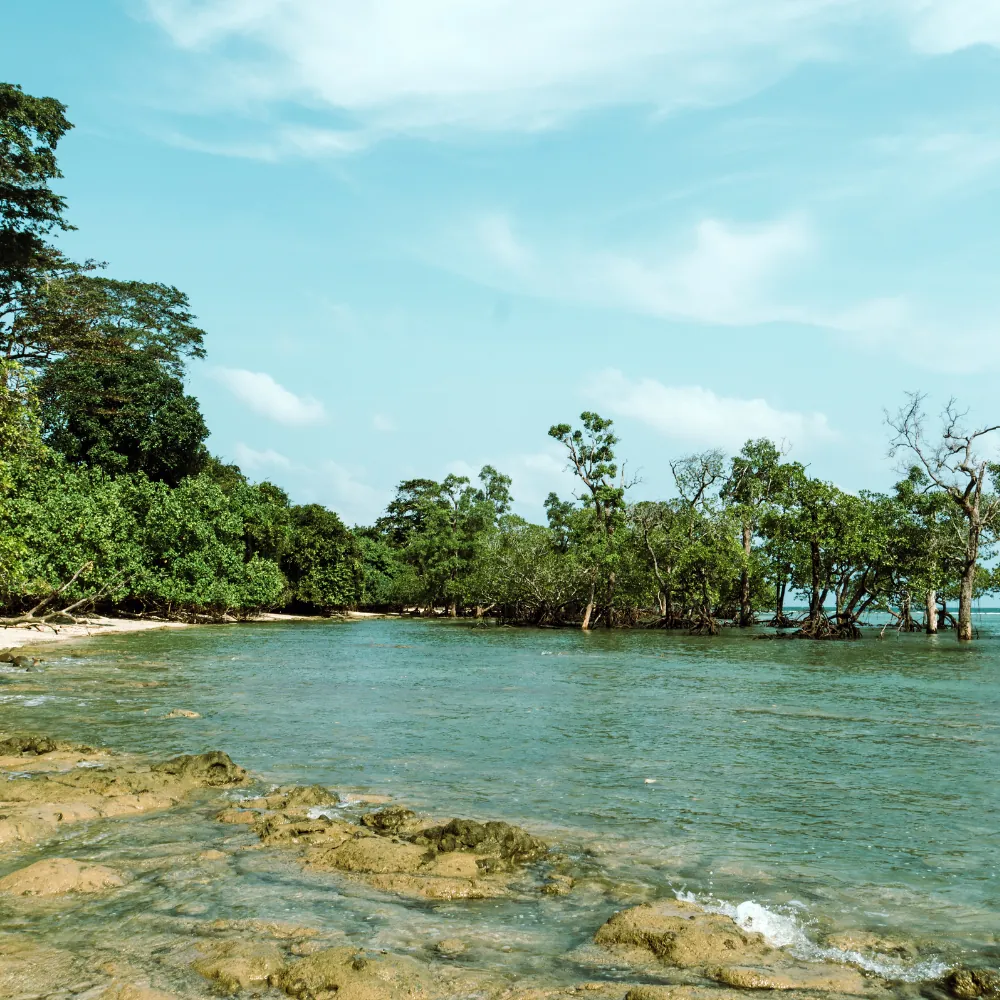
A mangrove is a tree that has solved a problem no other tree has managed. It grows with its roots in salt water, in mud with almost no oxygen in it, on ground that floods and drains twice a day. Walk into one of Havelock's mangrove stands and the first thing you notice is the roots, thousands of them, arching and spiking out of the mud in shapes that make no sense until somebody explains what each one is for.

That is what this walk is. Two hours with a naturalist inside the forest where land and sea overlap, learning how these trees survive, why almost every reef fish you will ever see on a dive started life among these roots, and what is moving around in the mud while you stand there.

Duration
Around 2 hours
Timing
Planned around the tide
Group Size
Small guided group
Suitable For
Families, children and nature lovers
Best Conditions
A lower tide and settled weather
Meeting Point
Confirmed at the time of booking

Why do a mangrove walk?

  • A genuinely strange ecosystem - trees that filter salt water, breathe through roots that stick out of the mud, and drop seedlings instead of seeds.
  • Where the reef starts - the fish you see on a dive at Nemo Reef or Tribe Gate very likely spent their first months hiding in roots like these.
  • Naturalist-led - the roots, the crabs and the mudskippers are all doing something specific, and none of it is obvious without someone to point it out.
  • Good with children - mudskippers and fiddler crabs are more entertaining than most things on the island, and there is no depth to worry about.
  • It works when diving does not - a walk still runs on days the sea is rough or you are within 24 hours of a flight.

Why the tide sets the timing

A mangrove looks like two different places at high and low water. At high tide the roots are submerged and the fish move in to feed and shelter. At low tide the mud is exposed, the crabs come out, the mudskippers take over, and you can actually see the root structures that hold the whole thing up. Different tides suit different parts of the walk, so we plan your slot around what the water is doing on your date rather than running at a fixed hour.

This walk takes place in a tidal environment, so the timing and the route depend on the tide, rainfall and weather on the day. We confirm your start time the day before. If conditions are unsuitable we move the walk or refund it in full.

The mangrove forests of the Andaman Islands

The Andaman and Nicobar Islands hold one of the largest and most species-rich mangrove areas in India. For a group of islands this size that is a remarkable amount of mangrove, and it is a large part of why the waters around Havelock are as productive as they are.

Mangroves grow in the intertidal zone, in the band where the tide floods and drains and where fresh water running off the land meets salt water coming in from the sea. It is a narrow set of conditions, and only a small number of tree families have ever managed to live in it.

How a tree survives in salt water

Salt is the central problem. Ordinary trees die in sea water because salt pulls water back out of their roots. Mangroves get around it in three different ways, and different species lean on different ones.

Filtering at the root

Some mangroves exclude the great majority of salt at the root membrane before the water ever enters the tree. The roots work as an ultrafilter, and what reaches the leaves is close to fresh water.

Excreting through the leaves

Others let the salt in and push it back out through glands on the leaf surface. On a dry day you can see the crystals on the leaves, and if you touch one and taste your finger it is unmistakably salty.

Storing and shedding

A third approach is to move salt into older leaves and then drop them. The tree loses the leaf and the salt load with it. Yellow leaves scattered in the mud are often this, not ill health.

The roots you will actually be looking at

Root shape is the easiest way to tell mangrove types apart, and once you know the four common forms you will spot them everywhere along the coast.

  • Prop or stilt roots - the arching, spidery roots of the Rhizophora group, holding the trunk clear of the mud. They spread the tree's weight over soft ground and take the force of moving water, which is why these species sit on the seaward edge.
  • Pneumatophores - the pencil-like roots of Avicennia that stick straight up out of the mud in dense fields. Mangrove mud has almost no oxygen in it, so the tree sends these up to breathe. Small pores on them take in air while the tide is out, and seal when it comes back in.
  • Knee roots - Bruguiera roots that loop up out of the mud and dive back down, doing the same job as pneumatophores in a different shape.
  • Buttress roots - wide flanges running down from the trunk on species such as Xylocarpus, bracing a tall tree in ground that will not hold a deep root.

Seeds that germinate before they fall

A seed dropped into salt water and tidal mud has very poor odds. Many mangroves avoid the problem entirely by letting the seed germinate while it is still attached to the parent tree, then dropping a fully formed seedling. In Rhizophora these look like long green javelins hanging from the branches. When one drops it either spears into the mud below and roots on the spot, or it floats away on the tide, staying alive for weeks until it grounds somewhere it can grow. It is one of the few plants that gives birth rather than sowing.

Why mangroves matter more than they look

  • They are the nursery for the reef. Juvenile fish and prawns shelter in the root tangle where larger predators cannot follow. A reef with mangroves behind it carries far more fish than one without.
  • They lock up carbon. Mangrove ground stores several times more carbon per hectare than tropical rainforest, most of it in waterlogged soil where it does not break down.
  • They hold the coast together. Root networks trap sediment and take the energy out of waves. After the 2004 tsunami it was widely observed across this region that stretches of coast sitting behind intact mangrove belts came off better than stretches that had been cleared.
  • They filter what runs off the land before it reaches the reef, which matters for coral.

What lives around the roots

  • Mudskippers - fish that spend much of their life out of water, breathing partly through wet skin, walking on their front fins and defending small territories in the mud. Nothing else on the walk gets as much attention.
  • Fiddler crabs - the males carry one enormously oversized claw which they wave to signal, in colonies of hundreds across open mud at low tide.
  • Mud crabs and tree-climbing snails - snails climb the trunks as the tide rises and come back down as it falls.
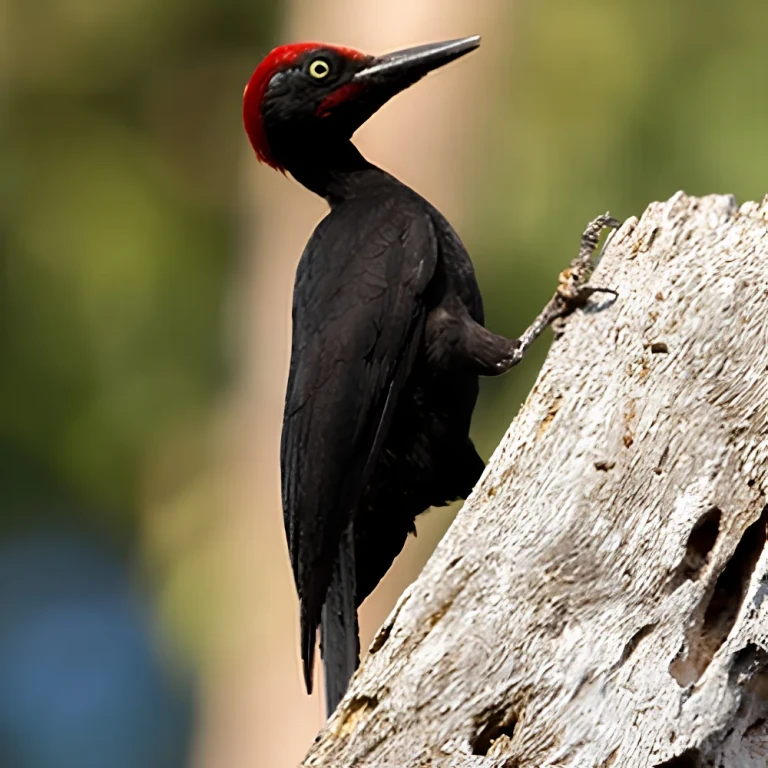
  • Birds - collared kingfishers, egrets, herons and sea eagles all work mangrove edges. If birds are your main interest, our bird watching walk goes after them properly.
  • Monitor lizards - large, shy, and usually seen heading away from you.

What your ₹1,500 covers

Naturalist with you throughout

Someone who can tell a pneumatophore from a prop root and explain what each animal in the mud is doing, for the whole walk.

Small guided group

Small enough that everyone can hear, and quiet enough that the crabs and mudskippers do not all disappear at once.

Around 2 hours

At a slow pace, with time to stop and watch rather than march through.

Tide-planned timing

Your slot is set around the tide on your date, so you see the part of the ecosystem that is actually accessible.

Ecology explained properly

Salt filtration, root types, viviparous seedlings, nursery habitat and coastal protection, in plain language.

Meeting point confirmed at booking

Sent on WhatsApp with your start time once the tide for your date is known.

What to bring

  • Water
  • Insect repellent - mangroves and mosquitoes go together, this one is not optional
  • A cap or hat, and sunscreen
  • Footwear you do not mind getting muddy, with a grip. Mangrove mud is soft and it stains
  • Quick-drying clothes rather than anything you care about

Weather, tide and rescheduling

  • Start time is confirmed the day before, once we have the tide.
  • Heavy rain or an unsuitable tide means we move you to another slot during your stay.
  • Full refund if no suitable slot is available before you leave.
  • Free cancellation up to 24 hours before your walk.

If you would rather see mangroves from the water than from the mud, we also run mangrove kayaking, which is a different experience with the same trees. The intertidal walk is the natural companion to this one.

Mangrove walk in Andaman: frequently asked questions

What is a mangrove walk?

A guided walk on foot through mangrove forest, the trees that grow in salt water where the coast meets the sea. On this walk a naturalist explains how mangroves survive in salt and airless mud, what the different root shapes are for, and points out the crabs, mudskippers, molluscs and birds living around them. It lasts around two hours.

Where can you see mangroves in Havelock Island?

Mangrove stands sit along sheltered sections of Havelock's coast, in creeks and inlets where the water is calm and the tide floods in and out. We take small groups to a stand suited to the tide on your date, and confirm the meeting point when you book.

Do you walk in the water or in mud?

Mostly on the ground beside and among the roots, which is usually soft and often muddy. It is not a swim and it is not deep water. Wear footwear that grips and that you do not mind ruining, and expect your feet to get dirty.

How do mangrove trees survive in salt water?

Three ways, and different species rely on different ones. Some filter out most of the salt at the root membrane before the water enters the tree. Some let it in and excrete it through glands on the leaves, leaving visible salt crystals. Some move salt into old leaves and drop them. Many combine these.

What are the roots that stick up out of the mud?

Those are pneumatophores, and they are how the tree breathes. Mangrove mud contains almost no oxygen, so species such as Avicennia send pencil-shaped roots vertically up into the air. Pores on them take in oxygen while the tide is out and seal when the water covers them again.

Will we see mudskippers and fiddler crabs?

Usually, on a lower tide, when the mud is exposed and both are out and active. Neither can be guaranteed, since it depends on tide, weather and time of day, but mudskippers and fiddler crab colonies are among the most reliably seen animals on this walk.

Are there a lot of mosquitoes?

There can be, which is why insect repellent is on the list of things to bring rather than a suggestion. Wearing long sleeves and long trousers in a light fabric helps as well. Your guide will tell you what to expect for your slot.

Is the mangrove walk good for children?

Yes. There is no depth involved, the pace is slow, and mudskippers and fiddler crabs hold children's attention better than most things on the island. Footwear with a grip and an adult alongside is all that is needed.

What is the difference between the mangrove walk and mangrove kayaking?

The walk is on foot, around two hours, and is about the trees and the mud life, with a naturalist explaining the ecosystem. Mangrove kayaking takes you through the channels by water, covers more distance, and is more about the paddle and the setting than close-up natural history. They suit different days and different people.

How much does the mangrove walk cost?

₹1,500 per person plus 18% GST, which comes to ₹1,770 per person. That covers the naturalist for the full walk in a small group. Free cancellation up to 24 hours before.

Loved by Travelers

See why we are the top rated dive center in Andaman (Havelock) on Google & TripAdvisor