Intertidal Walk — Frogman Adventures, Havelock Island
Course Code: FRG-ITW-HVL

Intertidal Walk in Havelock Island, Andaman

₹1,500 + GST
4.9 1,991 Google reviews

Walk the shoreline at low tide with a naturalist and see what the sea leaves behind. Tide pools, crabs, sea slugs, brittle stars and juvenile fish in the zone between the tide marks. Around 2 hours, no swimming needed, and good with children.

Want more details?
Things to Know
Booking confirmation sent via WhatsApp within 30 minutes
Free cancellation up to 24 hours before your walk
Secure payment 10+ years experience 4.9★ rated

Intertidal Walk in Havelock Island

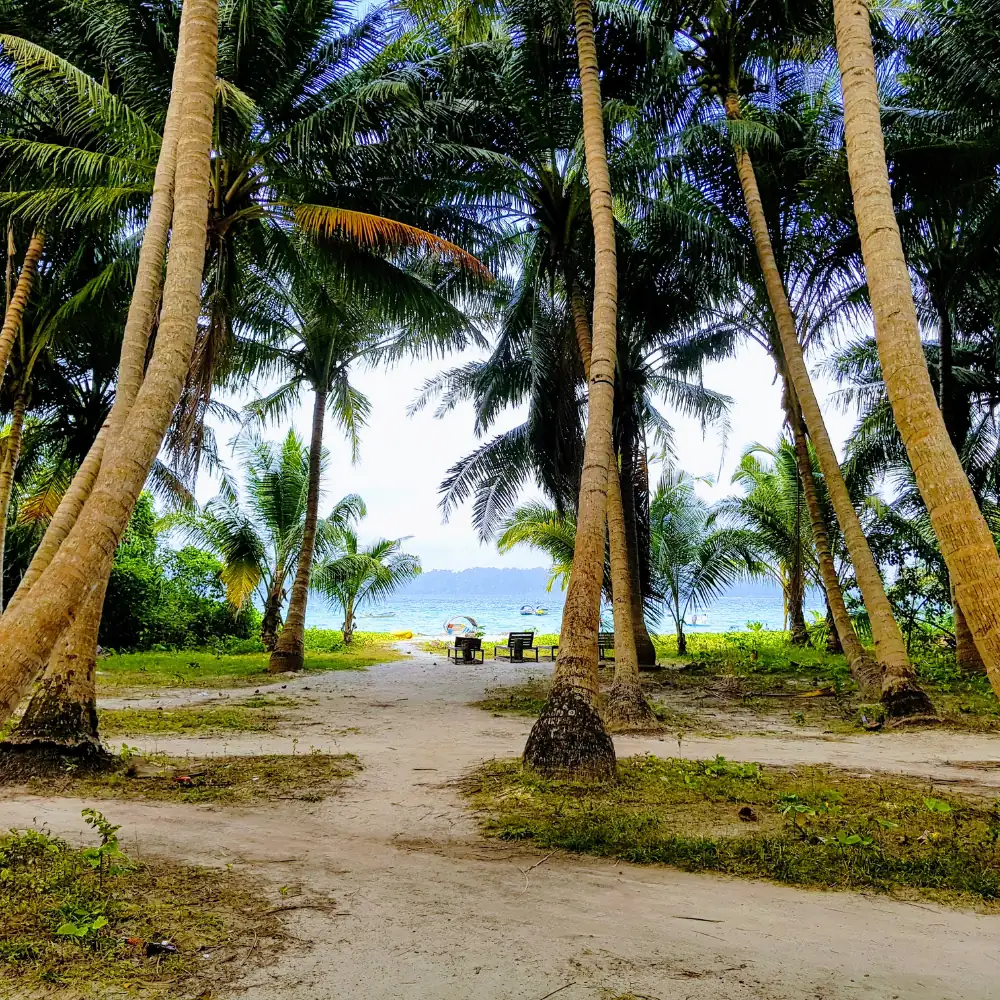
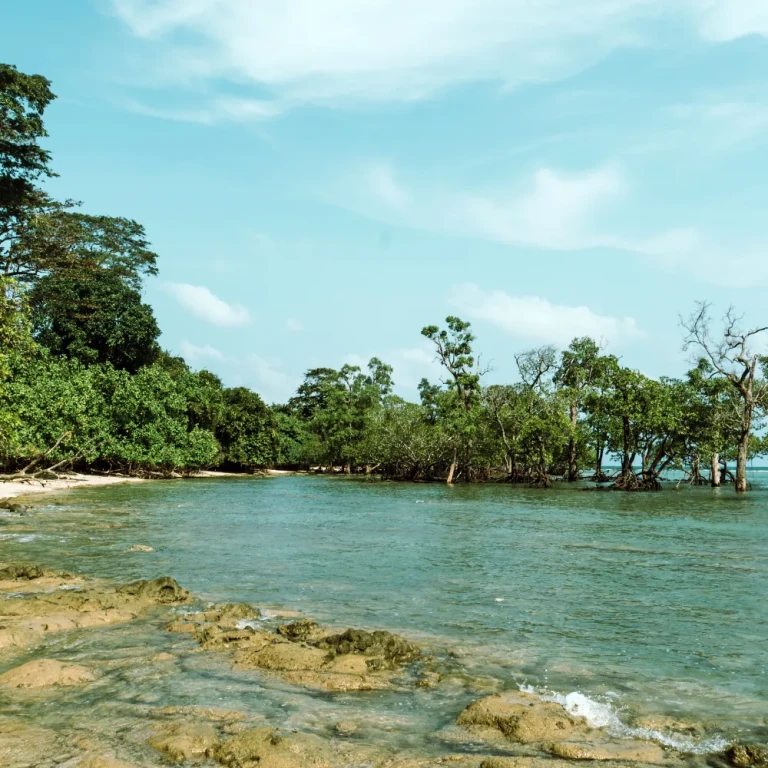
Twice a day the sea pulls back off Havelock's shoreline and leaves a strip of the seabed standing in the open air. Rock, sand, shallow pools and the animals that live in them, all of it visible without a mask or a tank. Most visitors walk straight past it on the way to the water. This walk is about stopping and looking properly.

You go out with a naturalist in a small group, at the hour the tide allows rather than a fixed time on a clock. Together you work through the tide pools and exposed ground, turning over what can safely be turned over, and your guide helps you put a name to what you find and explain how it survives in a place that is underwater for half of every day.

Duration
Around 2 hours
Timing
Scheduled around low tide
Group Size
Small guided group
Suitable For
Families, children and first-timers
Best Conditions
A good low tide and settled weather
Meeting Point
Confirmed at the time of booking

Why do an intertidal walk?

  • A different side of the ocean - you see the shoreline as a habitat, not just as the strip you cross to get to the water.
  • Marine life within arm's reach - tide pools hold animals you would otherwise only meet on a dive, at a depth of a few centimetres.
  • Naturalist-led - the difference between "some small thing in a puddle" and knowing you are looking at a brittle star is entirely the person walking with you.
  • No swimming and no diving - you stay on your feet the whole time, so it works for people who are not comfortable in water.
  • Never the same twice - tide height, season and weather change what is exposed and what is out feeding.

Why the tide decides your start time

Havelock has a semi-diurnal tide, which means two high tides and two low tides in roughly 24 hours, with about six hours between each high and the low that follows it. The clock time of low tide shifts by roughly 50 minutes every day, so a walk that starts at 7 in the morning this week starts mid morning a week later.

Tide range matters as much as timing. Around the new moon and the full moon you get spring tides, where the water drops further and exposes ground that stays covered the rest of the month. Those are the best walks. Around the half moon you get neap tides, with a smaller range and less exposed shore. We plan the day around the lowest water we can get during your stay, which is why we confirm your slot rather than sell you a fixed hour.

This walk depends on tide and weather. We confirm the exact start time the day before, based on that day's low tide. If conditions are unsuitable we move the walk to another slot during your stay or refund it in full.

What is the intertidal zone?

The intertidal zone is the band of shore that sits between the highest point the tide reaches and the lowest point it falls to. It is the only habitat on earth that is a sea for part of the day and dry land for the rest of it.

That is a demanding place to live. Everything there has to cope with being submerged in salt water, then exposed to sun, heat, rain and wind a few hours later, and it has to deal with predators arriving from the sea at high tide and from the land and sky at low tide. The result is a set of animals with some of the most interesting survival equipment on the shoreline, packed into a strip you can walk across in a minute.

The four bands, from dry to wet

Walk down a shore at low tide and you cross four zones. Each one is under water for a different amount of time each day, and each has its own residents.

Splash zone

The highest band. Never actually submerged, only wetted by spray. Home to periwinkle snails and rock lice, animals that can survive weeks out of the sea and are closer to land creatures than marine ones.

Upper intertidal

Covered only at high tide. Barnacles, limpets and nerite snails dominate. Their whole strategy is to clamp down and seal a pocket of sea water inside the shell until the tide returns.

Mid intertidal

Covered and uncovered twice a day. This is classic tide pool territory, with hermit crabs, chitons, anemones and small gobies stranded in pools waiting out the low water.

Lower intertidal

Uncovered only on a good low tide, and the richest band of the four. Brittle stars, sea cucumbers, sea urchins, nudibranchs and juvenile reef fish. Worth timing a walk for.

What you may find on a Havelock shore

Nothing on a shoreline is guaranteed, which is part of the appeal. Over a typical walk, though, these are the animals that turn up most often:

  • Crabs - hermit crabs dragging borrowed shells, ghost crabs sprinting across open sand, and small porcelain and rock crabs wedged into crevices.
  • Sea slugs and nudibranchs - slow, and often far brighter than anything else on the shore. The colour is usually a warning that they are unpleasant to eat.
  • Brittle stars - relatives of the starfish with long, whip-like arms, usually found under stones. They will shed an arm if grabbed and grow a new one.
  • Sea cucumbers - unglamorous but important. They process sand the way earthworms process soil.
  • Molluscs - cowries, top shells, nerites, chitons clamped flat to rock.
  • Anemones and small fish - anemones pulled shut into blobs of jelly at low water, and gobies and blennies trapped in pools until the tide comes back.
  • Sea urchins - usually in the lower band, tucked into hollows. Worth learning to spot precisely so you do not stand on one.

Tide pooling rules that actually matter

A tide pool is a small, crowded place and it is easy to do damage without meaning to. The habits below are the ones your guide will ask you to keep, and they are worth carrying to any shoreline anywhere:

  • Put every rock back exactly as you found it, same side up. The underside of a stone is somebody's roof, and flipping it and leaving it kills what was living there.
  • Wet your hands before you touch anything, and keep it brief. Dry, warm hands damage the skin and mucus layer of soft-bodied animals.
  • Leave the animal in its pool. Moving it to a nicer-looking pool for a photograph usually means putting it in the wrong zone.
  • Do not handle cone shells. Cone snails carry a venomous harpoon and some species in this region are dangerous to people. They are attractive, which is exactly the problem. Look, photograph, do not pick up.
  • Do not collect shells that still have an animal in them, and remember a hermit crab is walking around inside a lot of what looks empty.
  • Watch the water, not just the pools. The tide turns while you are looking down. Your guide keeps track of it, but it is a good habit to build.

What your ₹1,500 covers

Naturalist with you throughout

Someone who knows the shore and can identify what you find, rather than a guide who walks you to a spot and waits.

Small guided group

Kept small so everyone can see into the same pool and ask questions without shouting.

Around 2 hours

Long enough to work down through the zones properly and get to the lower shore at the bottom of the tide.

Tide-timed scheduling

We plan your slot around the best low water available during your stay instead of a fixed daily departure.

Identification help

Your guide explains what each animal is, how it survives out of water, and what it does when the tide comes back.

Meeting point confirmed at booking

Confirmed on WhatsApp along with the start time once the tide for your date is known.

What to bring

  • Water
  • Insect repellent
  • A cap or hat, and sunscreen
  • Footwear you do not mind getting wet or muddy, with a sole that grips - wet rock is slippery and shells are sharp
  • A phone or camera if you want photographs, though you will be using your hands

Avoid anything you would be unhappy getting dirty. You will be walking on wet ground and crouching next to pools.

Weather, tide and rescheduling

  • We confirm the start time the day before, once we have the tide for your date.
  • If the weather makes the shore unsafe or the tide is not low enough to be worth it, we move you to another slot during your stay.
  • If no suitable slot is available before you leave, we refund in full.
  • Free cancellation up to 24 hours before your walk.

The walk pairs well with our other land-based experiences, especially the mangrove walk, which is also timed to the tide, and stargazing in the evening.

Intertidal walk in Andaman: frequently asked questions

What is the intertidal zone?

The intertidal zone is the strip of shore between the highest point the tide reaches and the lowest point it falls to. It is covered by the sea and exposed to the air twice a day, so everything living there has to survive both conditions. It is usually divided into four bands: the splash zone, upper intertidal, mid intertidal and lower intertidal, each under water for a different length of time.

What is tide pooling?

Tide pooling, also called rock pooling, means exploring the pools of sea water left behind on the shore when the tide goes out. Those pools trap marine animals until the water returns, so you can watch crabs, sea slugs, anemones, brittle stars and small fish up close without swimming. On this walk a naturalist helps you find them and explains what you are looking at.

What time does the intertidal walk start?

There is no fixed daily start time because the walk is planned around low tide, and low tide shifts by roughly 50 minutes each day. You book a morning or an afternoon slot and we confirm the exact time on WhatsApp the day before, once we have the tide for your date.

Do I need to know how to swim?

No. The whole walk is done on foot on exposed shore and in shallow pools. There is no swimming, snorkelling or diving involved, which makes it a good option for people who are not comfortable in deep water.

Is the intertidal walk suitable for children?

Yes, and it is one of the better activities on the island for children. There is no water depth to worry about, the pace is slow, and there is a constant supply of small animals to find. Children need footwear with a grip and an adult with them, since wet rock is slippery.
What will we see on the walk?

It changes with the tide, the season and the weather, which is part of the appeal. Commonly seen are hermit crabs, ghost crabs, sea slugs and nudibranchs, brittle stars, sea cucumbers, anemones, chitons, cowries and other molluscs, sea urchins and small fish trapped in the pools. Your naturalist will help you identify what turns up on the day.

Can I pick up shells or take animals home?

Please do not. Many shells that look empty have a hermit crab or the original animal living inside them, and removing shells takes future homes away from hermit crabs. Cone shells in particular should never be picked up, because cone snails are venomous. The rule on the walk is look, photograph, and put everything back where it was.

What happens if the weather is bad?

We confirm the day before. If the sea state or weather makes the shore unsafe, or the tide is not low enough to be worthwhile, we move you to another slot during your stay. If nothing suitable is available before you leave, you get a full refund.

How much does the intertidal walk cost?

₹1,500 per person plus 18% GST, which comes to ₹1,770 per person. That covers the naturalist for the full walk of around two hours, in a small group. Free cancellation up to 24 hours before.

Loved by Travelers

See why we are the top rated dive center in Andaman (Havelock) on Google & TripAdvisor