Every morning around 8, I watch a line of speedboats leave the Havelock jetty packed with people heading to Elephant Beach. By 3 in the afternoon they are all back, some thrilled, some sunburnt, and a few annoyed because nobody told them how the place actually works.
I run a dive centre here in Havelock (Swaraj Dweep), about ten minutes from that jetty, so I have heard every version of the Elephant Beach day: the great ones, the cancelled ones, and the “we reached at 2 PM and they were already closing” ones. This guide is the version I give friends who visit me. What to do, what it roughly costs in 2026, how to reach, and the few things most blogs get wrong.
What Elephant Beach actually is
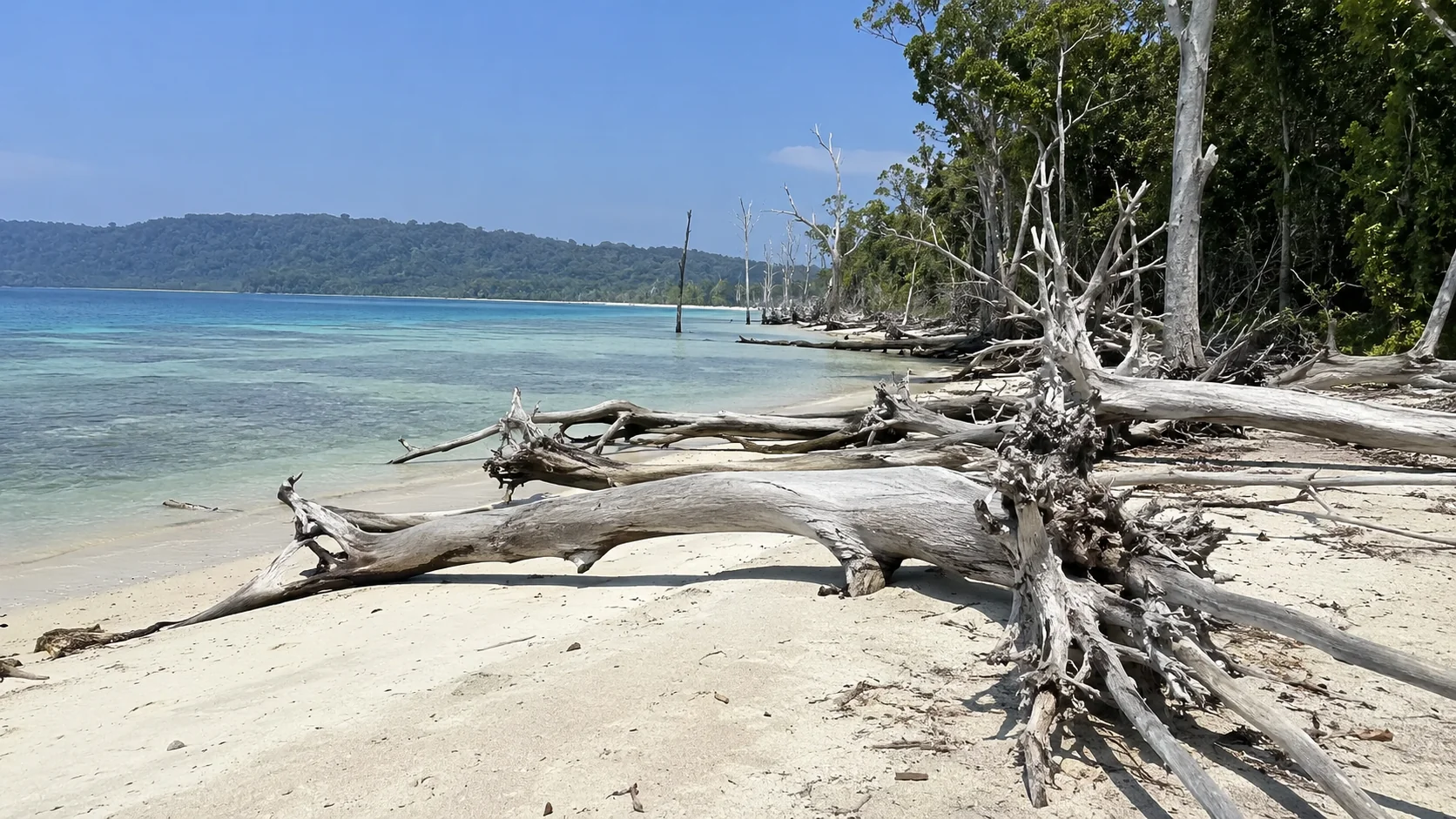
Elephant Beach sits on the northwest coast of Havelock. It is a strip of white sand with forest behind it and a shallow coral reef starting just a few metres from shore. That last part is the whole reason it is famous: you do not need a boat ride or any swimming skill to float over live coral here.
The name comes from the days when elephants carried timber through these forests. The logging elephants are gone from the shoreline now, though trekkers occasionally spot the last couple of captive ones along the jungle trail.
One thing you will notice the moment you land: dead, sun-bleached tree trunks standing in the water near the shore. That is not neglect. The 2004 tsunami reshaped this coastline and drowned a section of the old forest. The skeleton trees are what is left, and honestly they make the place more photogenic, not less.
And here is the most important practical fact about Elephant Beach, the one that decides whether your day works or not: it is a daytime-only beach. No resorts, no cafes, no staying back for sunset. Everyone is moved out between 3 and 5 PM, and the last boats usually leave the beach by around 3 PM. Plan everything backwards from that.
How to reach Elephant Beach: boat or trek
You have two options, and they give you two quite different days.
Option 1: the speedboat from Havelock jetty
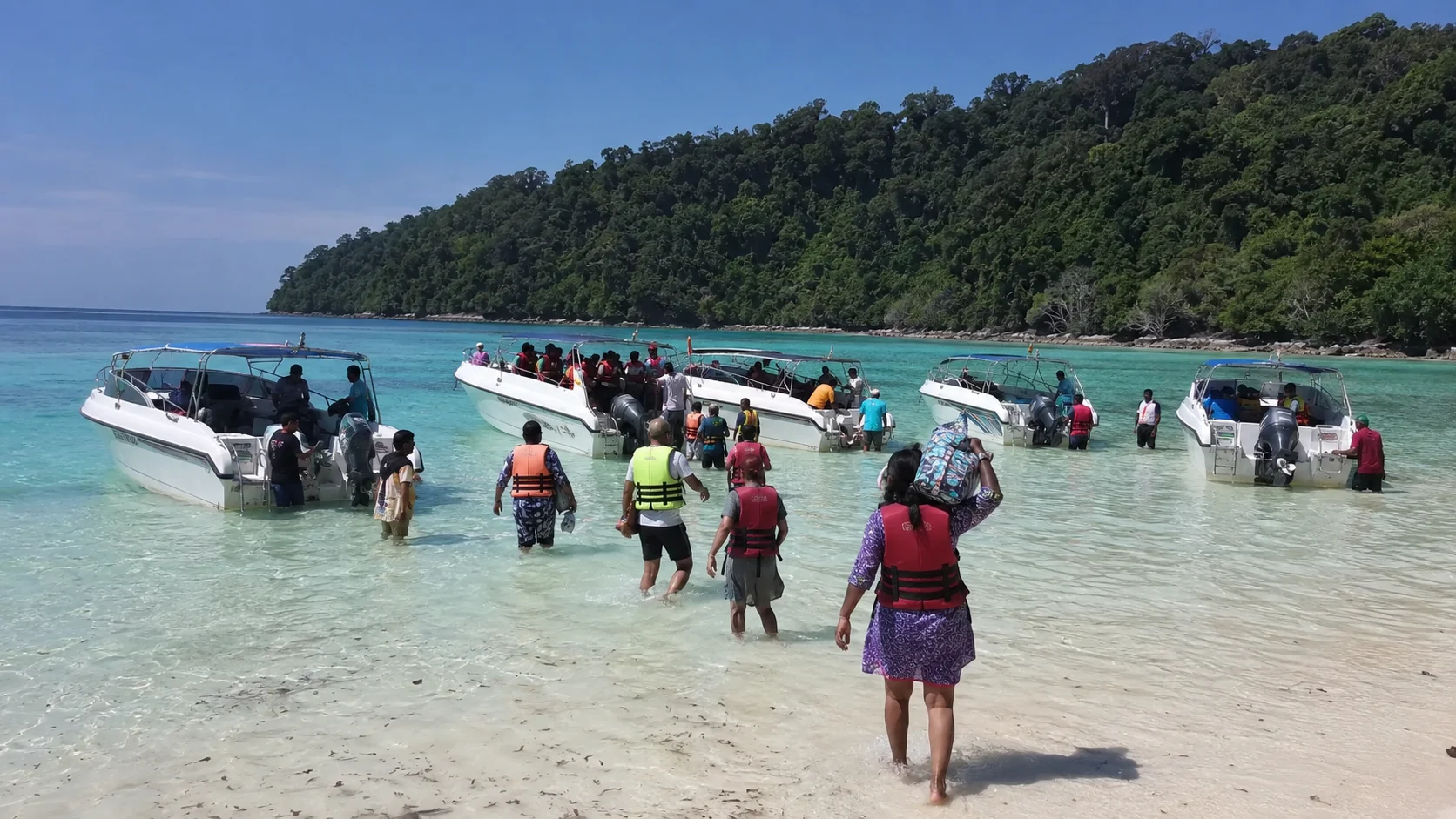
This is what most people do. Boats leave from the main jetty from about 7:30 or 8 AM through the morning, the ride covers roughly 9 km along the coast, and you are on the sand in 15 to 30 minutes depending on the boat and the sea.
A round trip costs about ₹950 to ₹1,500 per person in 2026. That usually includes your life jacket, the entry permit, and often a very short complimentary snorkel of about five minutes, which is really just a teaser so you buy the longer session. Prices move around a bit between operators, so confirm when you book.
The honest part: speedboats are the single most common point of failure for this trip. They depend completely on tide and weather. On a very low tide the boats cannot land safely, and on windy days the authorities suspend small boats altogether. People do get stranded at the jetty with a paid ticket and no boat. If the sea looks rough, have a plan B for your day.
Option 2: the forest trek
The trailhead is near the forest checkpost on the road to Radhanagar Beach. The walk is short, somewhere between 1.2 and 2.5 km depending on the route and season, and takes 20 to 45 minutes one way. Beach entry itself is free; you pay for a local guide, usually ₹500 to ₹1,000 per group, and I would take one. The trail forks confusingly inside the forest, and a guide also knows where the snakes and the elephants are.
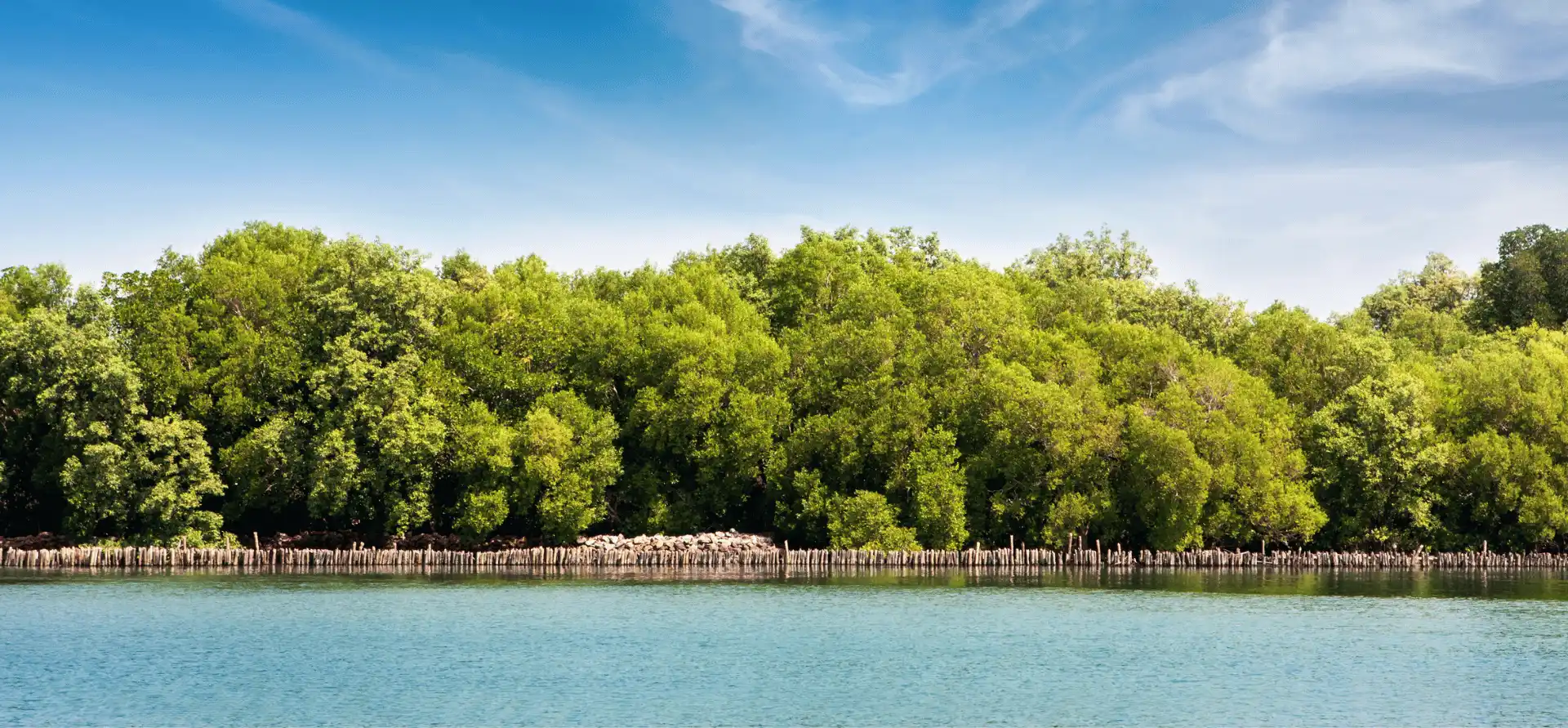
The last stretch is muddy and goes through a small mangrove patch, so wear shoes you do not love. Start between 7 and 10 AM. You beat the heat, you see more birds, and you reach the beach before the boat crowds flood in after 9 AM.
If you ask me, the trek is the better experience. You earn the beach instead of being delivered to it, and it never gets cancelled for weather the way boats do, except in the monsoon when the forest department closes the trail because it turns into a swamp.
Things to do at Elephant Beach in 2026
All prices below are 2026 ballpark figures from local operators. They shift with season and bargaining, so treat them as a range, not a menu card.
Snorkelling, the main event
The reef starts almost at the shoreline, which makes this one of the easiest snorkelling spots in the Andamans. Sessions run 15 to 30 minutes and cost roughly ₹500 to ₹2,500 depending on duration, whether a guide tows you, and whether photos and video are included. You will see parrotfish, sergeant majors, sea cucumbers, starfish, sometimes a turtle. Non-swimmers are fine: you wear a life jacket and a guide holds you the whole time. Children under 8 are not allowed in the water for snorkelling here, and that rule is enforced.
One tip from someone who fits masks for a living: spend the first minute getting the mask seal right. A leaking, fogging mask ruins more snorkel sessions than anything in the water ever will.
Sea walk (helmet diving)
You ride a small boat to a pontoon, get a briefing, climb down a ladder, and a weighted helmet with a surface air supply goes over your head. Then you walk on the sand at 4 to 7 metres with fish around you. Your face and hair stay dry, and you can keep your spectacles on, which makes this popular with people who cannot or will not swim.
It costs around ₹3,000 to ₹4,500, with ₹3,500 being the common rate, photos and video included. Two serious rules: no participants with high blood pressure or heart conditions, and you must keep a gap of at least 24 hours between a sea walk and your flight. The pressure logic is the same as diving; I wrote a full post on why you should not fly right after going underwater if you want the detail.
Jet ski and banana boat
The fast and loud section. Jet ski rides run 10 to 15 minutes at about ₹600 to ₹1,500, always with an operator on the machine with you. Banana and sofa rides cost roughly ₹400 to ₹1,500 for 10 to 20 minutes, and yes, tipping everyone into the sea at the end is part of the ride, not an accident. Life jackets are compulsory and a recovery boat stays with you.
Glass bottom boat
For grandparents, infants, and anyone who refuses to get wet. A slow boat with a transparent hull section drifts over the reef for 20 to 35 minutes, around ₹1,000 to ₹1,500 per person. It is the most inclusive way for a full family to see coral together.
Parasailing and mangrove kayaking
Parasailing gives you about ten minutes in the air over the beach and reef for roughly ₹3,500 to ₹4,000. It is also the first activity to get cancelled when the wind misbehaves, so never build your day around it. Guided mangrove kayaking nearby runs 1.5 to 2.5 hours at around ₹3,500: quiet, slow, and best booked early morning or near sunset for birds and light.
The thing most blogs get wrong: there is no scuba diving at Elephant Beach
You will find plenty of websites selling “scuba diving at Elephant Beach.” As someone who runs a dive centre on this island: that is not a thing. The water near the beach is too shallow and the boat traffic overhead is constant and chaotic. No responsible operator puts divers under that.
Actual Nemo Beach scuba diving for beginners happens at Nemo Reef, off Govind Nagar Beach (Beach No. 3), near the jetty. It is a calm, rock-sheltered bay where we walk you in from the shore, waist-deep first, no jumping off boats. That shore entry is exactly why beginner scuba diving in Havelock works so well for nervous first-timers, and if you cannot swim at all, read my honest answer on scuba diving in Andaman for non swimmers. It is more reassuring than you expect.
So split your water days sensibly. Elephant Beach for surface sports and snorkelling. Nemo Reef side for diving. If the diving bug bites properly, certified divers have twenty-plus dive sites around Havelock to work through, and a RAID Open Water course takes about four days here.
When to go, and the one timing mistake to avoid
October to May is the season. December to March is the peak: clearest water, driest trails, biggest crowds. June to September is monsoon, and I will be straight with you: boats get suspended for days at a stretch, the trek closes, and even when you sneak in, the runoff turns the water murky. Hotel discounts in monsoon are real, but so is the chance you never reach Elephant Beach at all.
The timing mistake: arriving in Havelock on an afternoon ferry and hoping to do Elephant Beach the same day. The afternoon ferry from Port Blair reaches around 2 to 2:30 PM. The beach starts emptying at 3. The maths does not work. If Elephant Beach matters to you, take a morning ferry, reach Havelock by 9:30 or so, and either go the same morning or keep the next morning free for it.
A half day is enough. My usual suggestion: Elephant Beach in the morning, lunch back at the market, Radhanagar Beach for sunset. That combination is also a staple of every Andaman honeymoon itinerary I have ever helped plan, for good reason.
What to carry, and how to not hurt the reef
There are basic changing rooms and toilets on the beach (small fee, carry change) and temporary stalls selling coconuts, fruit and snacks at island prices, since everything comes in by boat. No proper restaurants, so eat before you go or carry food in a cloth bag.
Carry: water in a reusable bottle, a dry bag for phones, a quick-dry towel, and aqua shoes if you have them. Single-use plastic is banned across the Andamans, and that ban is taken seriously here.
And a request from someone who spends most days on this reef: do not stand on the coral, do not feed the fish, and leave the shells where they are. The shells are hermit crab housing, not souvenirs. If you use sunscreen, make it a mineral, reef-safe one, or better, just wear a full-sleeve rash guard. The reef at Elephant Beach takes a beating from the crowds every single day. The least we can do is float over it lightly.
Quick answers people ask me
Is there an entry fee for Elephant Beach? No. The beach itself is free. You pay for the boat transfer (about ₹950 to ₹1,500 round trip) or a trek guide (₹500 to ₹1,000 per group), plus whichever activities you choose.
Do I need to know swimming for the activities? No. Snorkelling here is done in a life jacket with a guide holding you, the sea walk needs zero swimming, and the glass bottom boat keeps you completely dry. The only real restriction is age: children under 8 cannot snorkel or sea walk.
Can I scuba dive at Elephant Beach? No, despite what some booking sites claim. It is too shallow and there is too much boat traffic. Diving happens at Nemo Reef and the boat dive sites around Havelock. Message us and we will point you to the right option for your level.
Can I stay overnight or watch the sunset at Elephant Beach? No. There is no accommodation and the beach is fully cleared between 3 and 5 PM daily. For sunset, go to Radhanagar.
Is the sea walk safe if I have blood pressure issues? Operators will not take you if you have high blood pressure, heart conditions, or recent major surgery, and that screening exists for a good reason. Also keep 24 hours between a sea walk and your flight home.
Boat or trek, which one should I pick? Boat if you are short on time or travelling with elders and kids. Trek if you are reasonably fit and want the forest, the quiet, and a beach that is still empty when you arrive. If the weather looks doubtful, the trek is also the option that does not get cancelled.
Come say hi while you are here
Elephant Beach deserves its half day. Snorkel the reef, try the sea walk if depth without diving tempts you, and get out before the 3 PM rush back.
And if floating over coral leaves you wanting more than a life jacket and twenty minutes, come breathe underwater properly. Our dive centre is near the jetty, and the first dive needs no swimming and no experience. Message us on WhatsApp or call 095318 53676 with your dates and we will help you plan the rest. No pressure either way. But if you are coming all the way to Havelock, it would be a shame to only see the reef from the surface.