People message me asking for “the best dive sites in Andaman” as if there is one answer. There is not. The best site for someone who has never put their face in the water is a terrible recommendation for a diver with 200 dives, and the other way around. So instead of a brochure list, here is the real version: every site we dive regularly, what depth it sits at, who it suits, and what you will probably see down there. Probably, not definitely. Nobody can promise you a specific animal, and anyone who does is selling you something.
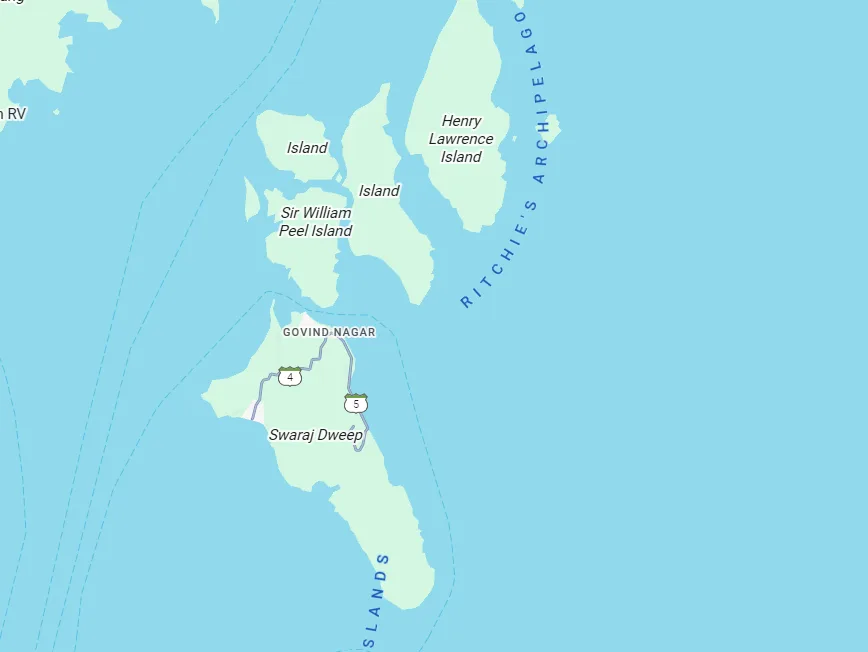
One thing to clear up first. When people say dive sites in Andaman, they almost always mean the sites around Havelock Island (Swaraj Dweep). That is where the dive shops, the boats and the good reefs are concentrated. Our full site list with photos lives on the dive sites in Havelock page. This article is the tour I would give you if you sat me down with a cup of chai and asked where you should actually go.
What the diving here is actually like
The water sits at 27 to 30 degrees all year, so a thin 3 mm shorty is plenty. Visibility in season runs 15 to 30 meters, and on the far offshore sites it sometimes goes beyond that. The main season is October to May, with December to April being the calmest and clearest stretch. During the monsoon, June to September, the exposed sites get rough and we stick to sheltered spots close to the island.
Most of our boat dive sites are a short boat ride away, around ten minutes for the close ones. The serious offshore sites take 40 to 60 minutes by boat, which is why they cost more and why we leave early in the morning.
The beginner sites: where your first dive happens
If you have never dived before, these are your sites. Shallow, calm, and full of life at depths where the light is still bright and the colours still pop.
Nemo Reef is where almost everyone starts. It sits right off Govind Nagar beach, 6 to 12 meters deep, and you walk in from the sand. No boat, no surface swim, no drama. Two fringing reefs with a sandy patch between them, clownfish guarding their anemones like tiny angry landlords, and a sunken jeep at about 6 to 8 meters that has been fully taken over by sponges and juvenile fish. Because the bay is so sheltered, this is the one site that stays diveable nearly all year. It is also where we run training for the RAID Open Water course.
Tribe Gate is a five minute speedboat ride from the jetty, an oval reef that slopes from 3 to 15 meters. Two things make it special. First, it holds more giant clams than any other site in the Andamans, big iridescent ones that snap shut when your shadow passes over. Second, all five clownfish species found in the Andaman Sea live here on the same reef. There is also a patch of coral that bleached and died in the 2010 warming event, and instead of staying a graveyard it turned into a little city of moray eels, stonefish, nudibranchs and shrimp. I tell guests that story on every briefing, because it changes how you look at a reef.
Aquarium does what the name says. A gentle fringing reef, mostly 12 to 15 meters, staghorn coral, damselfish, bannerfish, barely any current. It is the site I pick for buoyancy practice and for anyone who wants their GoPro footage to actually look good.
Lighthouse sits below the old white lighthouse on the channel side, sloping from 3 meters down to a sandy floor at 23. Hard coral thickets in the shallows, and between February and April we see green and hawksbill turtles moving through regularly. It is also one of the very few sites around Havelock calm enough for night dives, and a night dive here is a different planet: parrotfish asleep in mucous cocoons, lobsters and octopus out hunting.
If a name like Turtle Beach or Juvis comes up when we plan your dives, say yes. Turtle Beach is field after field of staghorn coral at 5 to 18 meters with frequent turtle traffic. Juvis has a long sweep of round potato corals and whitetip reef sharks patrolling the outer edge at 8 to 12 meters. Watching your first shark cruise past at a depth where you feel completely in control fixes the shark fear better than anything I could say on the boat.
Sites for certified divers who want more
Once you are certified, the island opens up properly.
Red Pillar is a shallow reef just off Peel Island, named after the red channel marker at its centre. It is a beginner site too, but certified divers enjoy it for the oddities: bathtub-sized barrel sponges and a scooter and bicycle, sunk years ago and now covered in coral, at 8 to 12 meters. Snappers and fusiliers stream over the top, and the channel current keeps the fish busy.
The Wall is the most dramatic piece of underwater geography we have. You start on a coral ridge at 10 to 18 meters, then the bottom simply disappears: a vertical face dropping past 55 meters, carpeted in purple, red, yellow and white soft corals. Trevally and barracuda hunt fusiliers against the face. Between December and March the ridge becomes an octopus and cuttlefish theatre, full colour-change displays. And there is a large resident Napoleon wrasse the instructors call Pierre who swims up to inspect every dive group like he owns the place. Open Water divers can do the ridge at 18 meters; the deep face is for advanced training.
Right next door, The Slope runs 5 to 20 meters in stepped ridges like rows of seating. We call it shrimp central. Seven plus species of shrimp, cleaning stations where big groupers queue up to be picked over, and old submerged lighthouse pillars crusted in oysters with schools of batfish circling them.
Then there is the SS Inchkeith wreck, a cargo ship that went down in 1955 and now lies at 5 to 22 meters, about 45 to 60 minutes out by boat. Seventy years underwater has turned the hull into a proper reef. The propeller is still recognisable, and the rusting plates hide ghost pipefish and some of the best nudibranchs around Havelock. Wreck plus easy depth is a rare combination, and this is our only one.
The big three: Johnny’s Gorge, Dixon’s Pinnacle and Jackson’s Bar
Ask any instructor on the island to name the top dive sites in Andaman and these three names come up every time. All three are deep, offshore, current-swept and strictly for advanced divers. They are also the reason people fly back here year after year.
Johnny’s Gorge is about 19 km east of Havelock, a circular rocky reef sitting in sand at 24 to 30 meters. This is the most reliable shark dive in the archipelago: whitetip reef sharks actively swimming, not napping under a rock, plus the occasional big nurse shark. Currents funnel through and pull in trevally and snapper schools, so there is almost always something happening. The boat ride is 40 to 45 minutes and we leave at dawn.
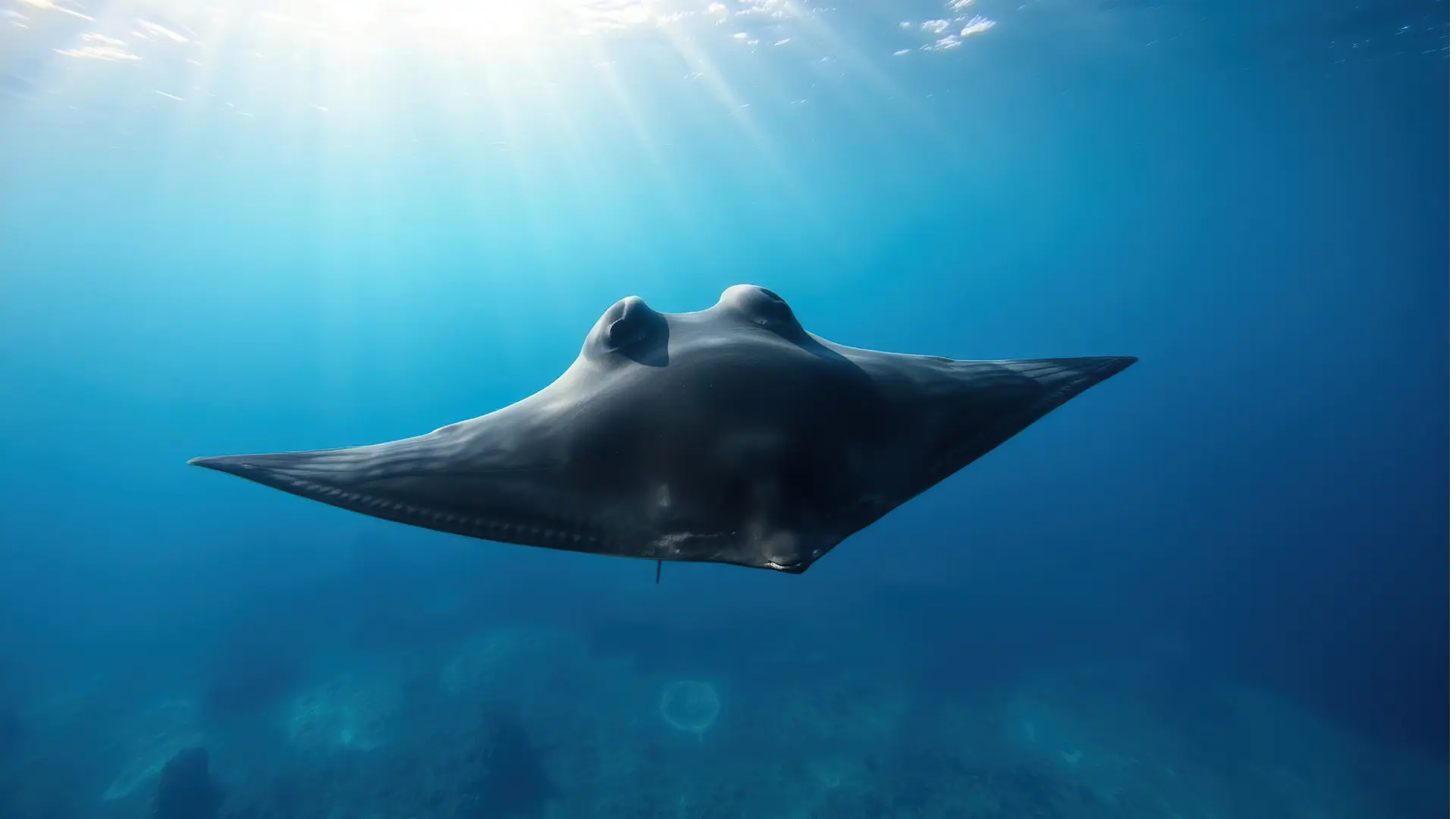
Dixon’s Pinnacle is three big rock spires rising out of deep water, dived between 16 and 35 meters, covered in yellow soft coral. It works as a giant cleaning station, so big animals keep dropping in. In season, divers here sometimes meet manta rays and, rarely, a whale shark. I will not promise you either. I will say that the days it happens, people surface unable to form sentences.
Jackson’s Bar is a deep open-ocean plateau starting around 18 meters, fully exposed to current. Dense walls of snappers, and eagle rays holding formation against the flow like they are flying in slow motion. On the right day it is my favourite of the three.
The quieter sites almost nobody asks about
A few more worth knowing, because the famous names are not the whole story.
Barracuda City, 15 to 30 meters, is where barracuda school into slow rotating tornadoes, hundreds of fish moving as one shape. Pilot Reef has a resident family of leopard sharks resting on the sand at 18 to 25 meters, and above the reef a wall of bannerfish hanging in the current like a curtain. Seduction Point, on the quiet southwest coast at 5 to 18 meters, has huge untouched staghorn forests and Napoleon wrasse so used to divers that they come over to look at you. Minerva Ledge is our big drift dive at 12 to 24 meters, first charted by Jacques Cousteau’s team back in the 1970s; the current carries you over the reef past giant groupers under the overhangs. White House Rock, 8 to 36 meters, has black coral that blooms with white polyps, which looks like stars switched on in the darker water. Broken Ledge, 16 to 30 meters, is a maze of mini canyons where turtles and marble rays tuck in out of the current. And Mac Point is a calm seagrass meadow at 10 to 15 meters that is one of the only places in India with a chance, a chance, of seeing a dugong. Purple Haze rounds it out for the macro photographers: purple soft coral gardens at 8 to 12 meters hiding pipefish and mantis shrimp.
When should you come?
December to April for the calmest seas and clearest water. October, November and late September are the quiet secret: the monsoon stirs up nutrients, the fish biomass explodes, and you share the boat with fewer people. June to August we still dive, but only the sheltered sites like Nemo Reef and Tribe Gate, so do not plan a trip around Johnny’s Gorge in July.
One honest note: a couple of these sites, like Tribe Gate, carry scars from the 2010 bleaching event. The reef recovered in its own strange, beautiful way, but it is a reminder that this place is not indestructible. Keep your fins off the coral, keep your hands to yourself, and it will still be here for your kids.
Never dived before? Start here, not with the site list
If all these depths and names feel overwhelming, ignore them. Your first dive is a guided experience at Nemo Reef or Tribe Gate, your instructor handles everything, and you do not need to know a single site name or even how to swim. I have written separately about whether scuba diving in Andaman is safe for non swimmers, and the short answer is yes. Everything you need is on our beginner diving in Havelock page. The site list above is what is waiting for you after that first dive, and it is a very good reason to get certified.
Questions I get on WhatsApp every week
Which dive site in Andaman is best for beginners? Nemo Beach scuba diving for a shore entry with zero boat anxiety, Tribe Gate if you want a short boat ride and the giant clams. Both are shallow, calm and instructor-led.
Do I need a certification to dive these sites? For the beginner sites, including Red Pillar, no. A Try Scuba dive with an instructor covers you. For The Wall ridge and the wreck you need at least an Open Water certification, and the big three plus the deeper sites need Advanced.
Will I see sharks? Are they dangerous? At sites like Juvis, Johnny’s Gorge and Pilot Reef, sightings are common in season, and the species here (whitetip reef sharks, nurse sharks, leopard sharks) are not interested in you. In my experience the fear lasts until the first sighting and not a second longer.
How much do fun dives cost? Around ₹3,500 for one dive at the nearby sites, ₹6,500 for two the same day, and ₹10,000 for two at the premium offshore ones like Dixon’s and Johnny’s, with gear included. Check our rates page for the current numbers before you plan.
Can I dive and fly out the same day? No. You need a gap before flying, which I have explained properly in this post on flying after scuba diving. Plan your dives at least a day before your flight out of Port Blair.
What is the water temperature? Do I need a thick wetsuit? 27 to 30 degrees all year. A 3 mm shorty is more than enough, and we provide it.
Come pick a site with us
You do not have to decide between twenty one dive sites today. Tell us your experience level and your travel dates, and we will line up the right sites around the ferry schedule and the season. That conversation takes five minutes on WhatsApp and saves a lot of guesswork.
Message us at WhatsApp or call 095318 53676. If you are coming to the Andamans anyway, do at least one dive. Worst case, you tried something new. Best case, you end up working through this whole list, one reef at a time.