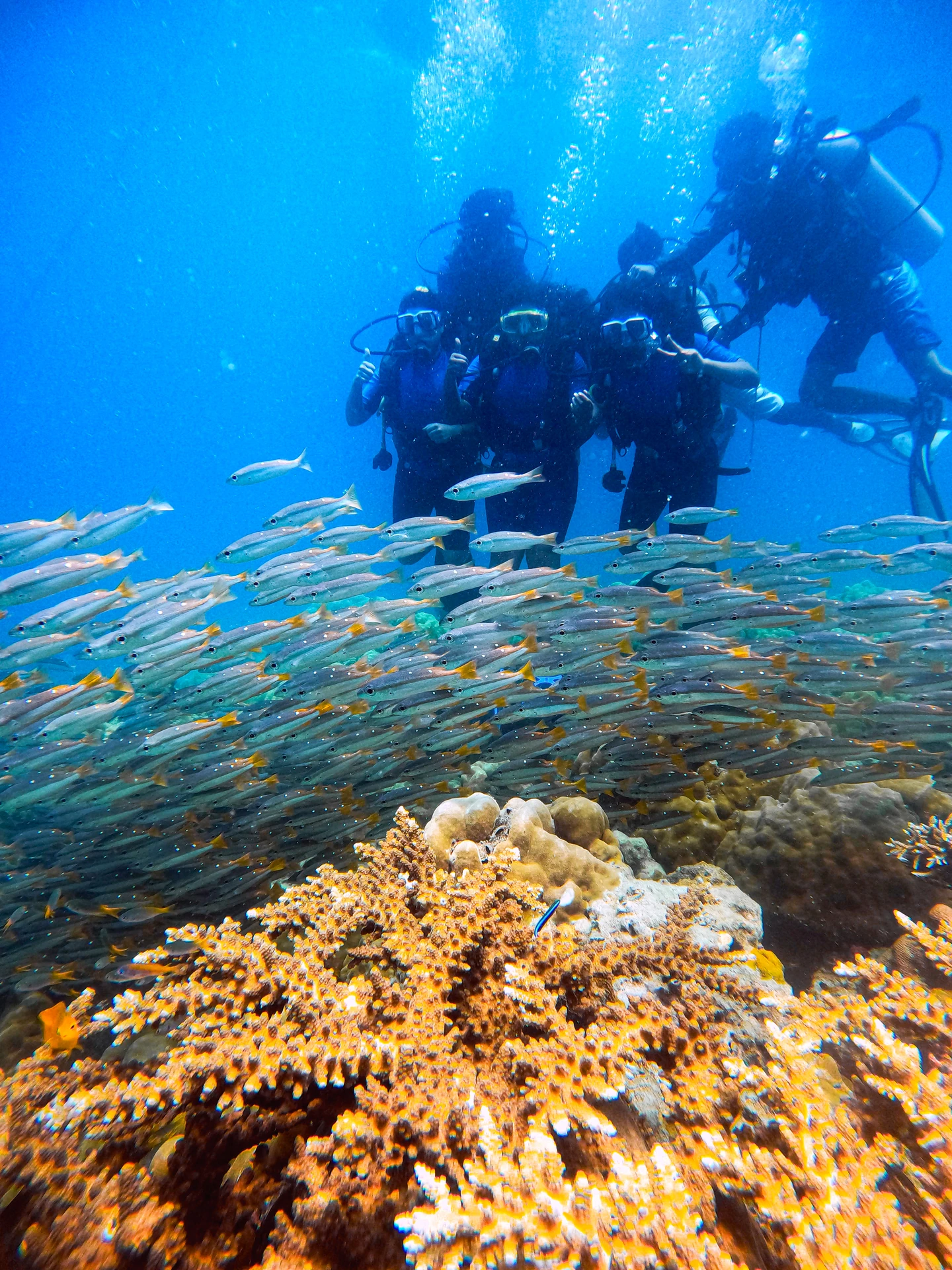
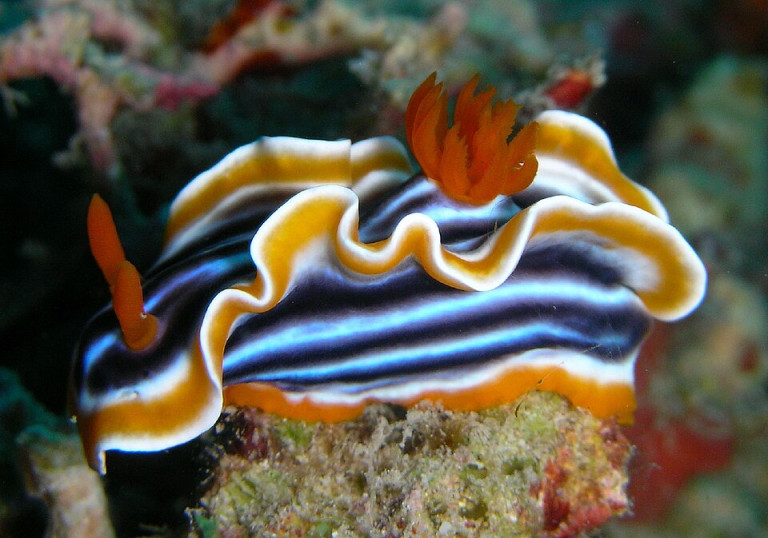
Nemo Reef is the most popular and accessible dive site on Havelock Island, named after its resident clownfish (Nemo) families. This shallow, protected coral reef has clear water, healthy coral gardens, and a surprising amount of marine life packed into a small area.
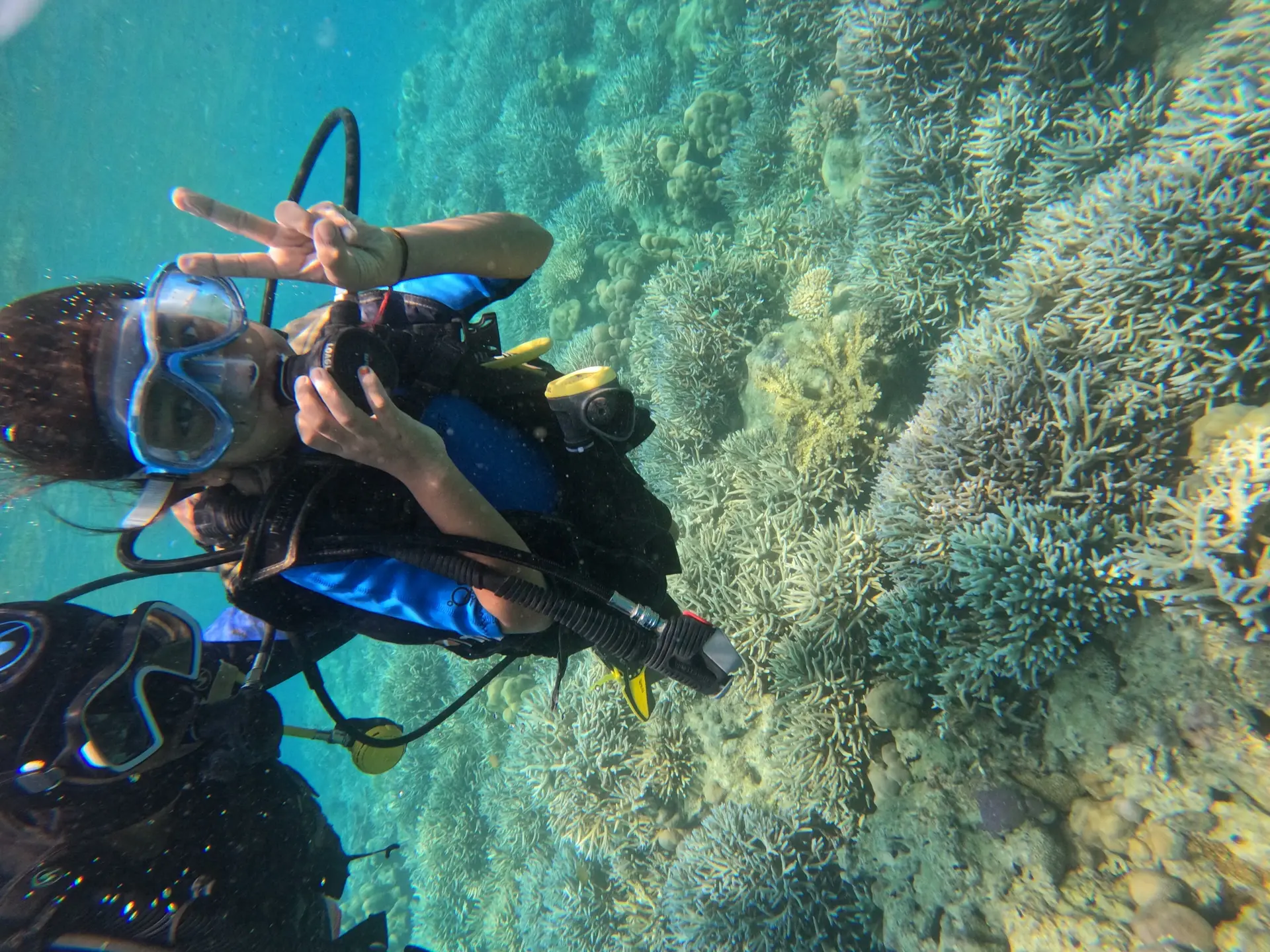
Perfect for beginners and first-time divers, Nemo Reef is a great first look at the Andaman underwater world. There is virtually no current, and conditions feel like a swimming pool.


Imagine walking into a swimming pool that just happens to be alive. That is Nemo Reef. Unlike other dive sites that require long boat rides, Nemo Reef lets you start with your feet firmly on the sand.
The site consists of two fringing reefs separated by a “sand highway” at 1-3m depth. This layout is why instructors love it for teaching-we can practice skills on the sandy bottom safely while the reef is right there on either side.
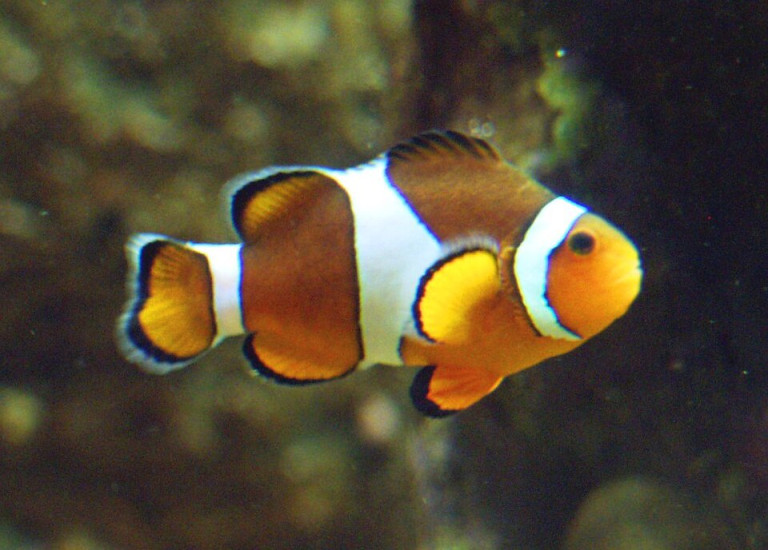
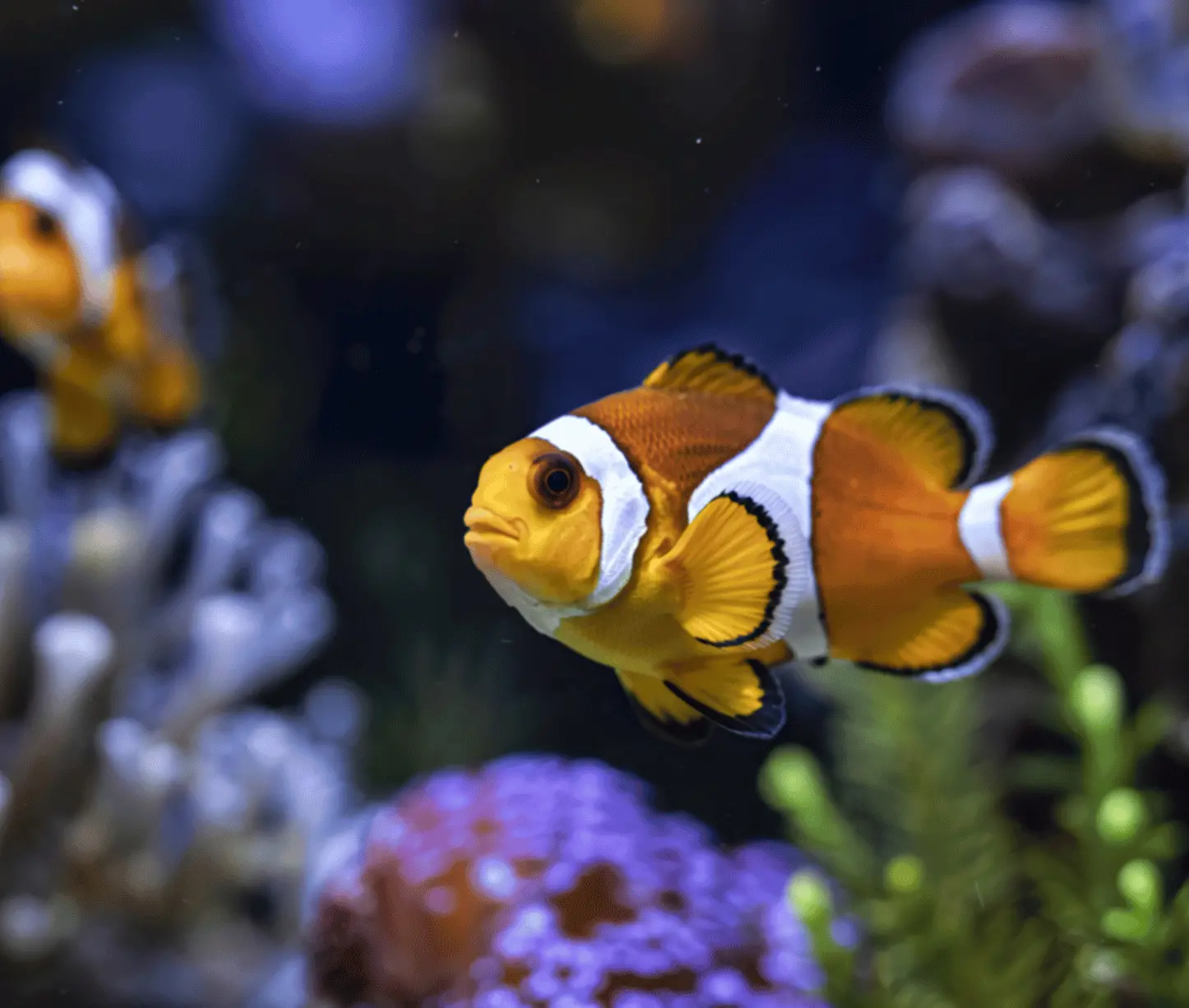
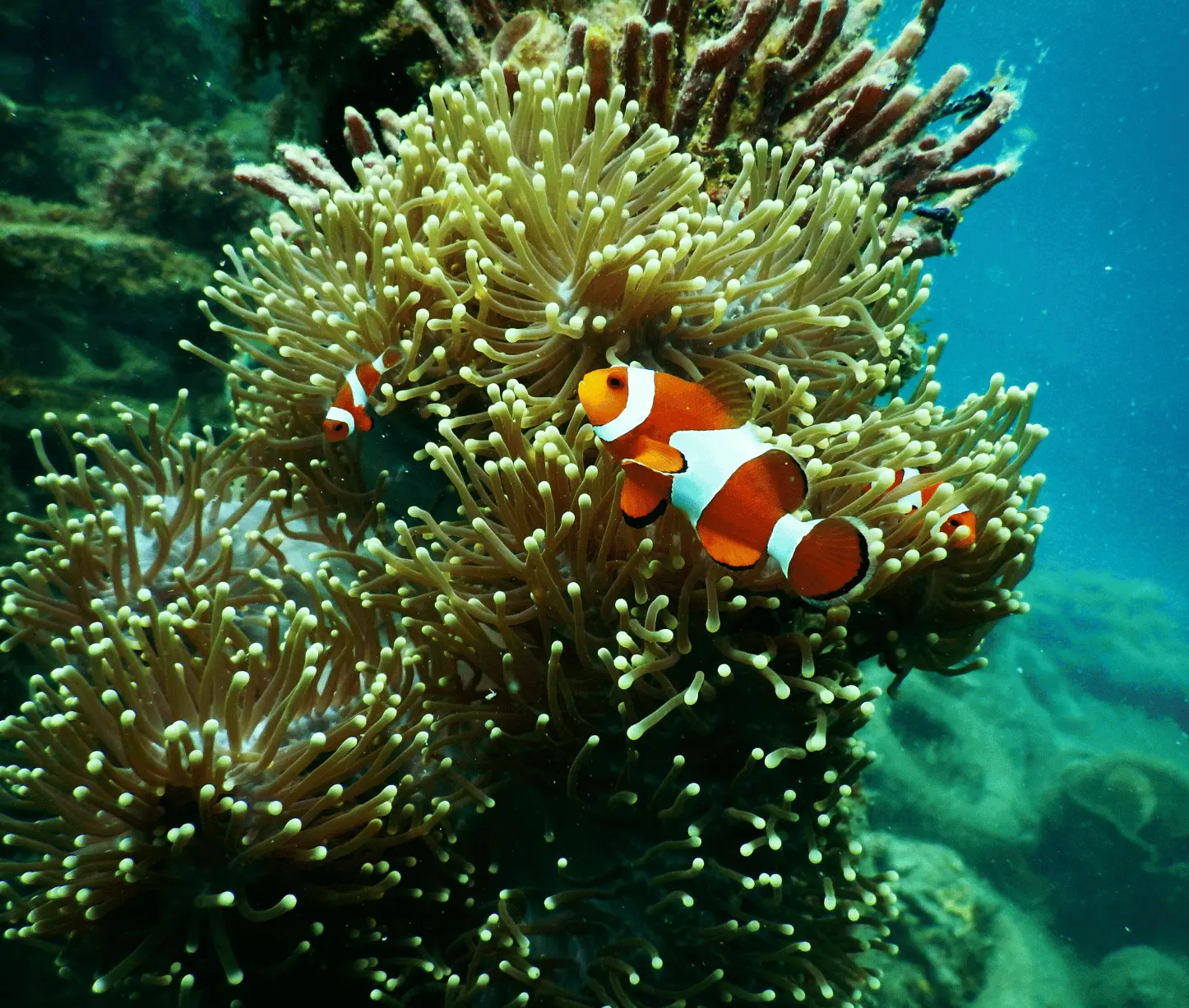
As you descend, the noise of the world disappears. You are greeted by schools of juvenile fish darting between coral heads. Moving deeper (to about 6m), you’ll encounter the famous “Nemo” Clownfish families living in their anemone homes-the sight that gave this reef its name.
At around 6-8 meters, a unique surprise awaits: the Ghost Jeep-a decommissioned Mahindra Commander now covered in barnacles and serving as an artificial reef habitat.



My favourite thing about Nemo Reef isn’t just the fish-it’s the ‘Ghost Jeep’. There is an old Mahindra Commander jeep submerged at about 6 meters. It’s now an artificial reef covered in barnacles and corals. First-time divers are always amazed to see a vehicle underwater! The shallow depth means you can hover around it safely and get great photos.
What you can expect to see at Nemo Reef
Nemo Reef features a healthy mix of hard and soft corals, creating a vibrant underwater landscape perfect for beginners to explore.
Book your dive at Havelock’s most beginner-friendly reef. No swimming skills required!
Month-by-Month Conditions
Typical month-by-month conditions for Nemo Reef, Havelock Island (Swaraj Dweep). Season quality reflects sea state, boat access & underwater conditions — peak season runs November–April; June–August is monsoon. Actual conditions vary day to day.
Sighting likelihood by month, based on our dive team’s experience at this site
Clownfish
Amphiprion ocellaris
Very Common
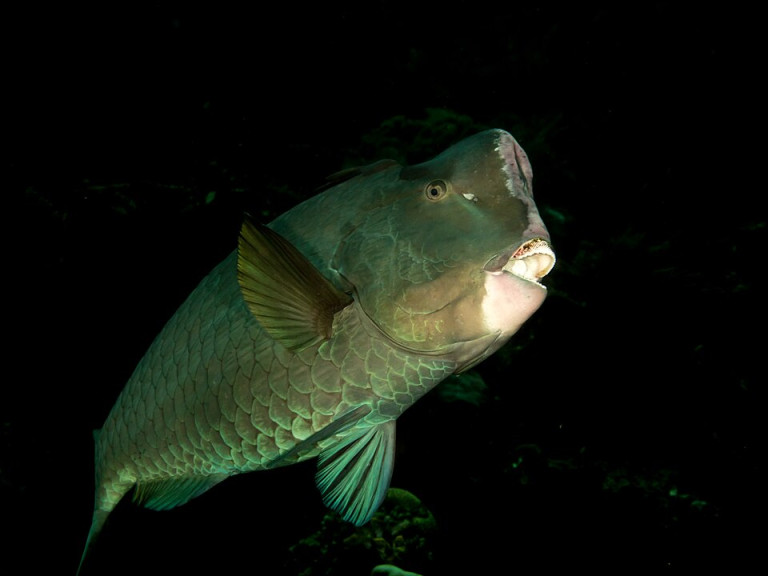
Bumphead Parrotfish
Bolbometopon muricatum
Common
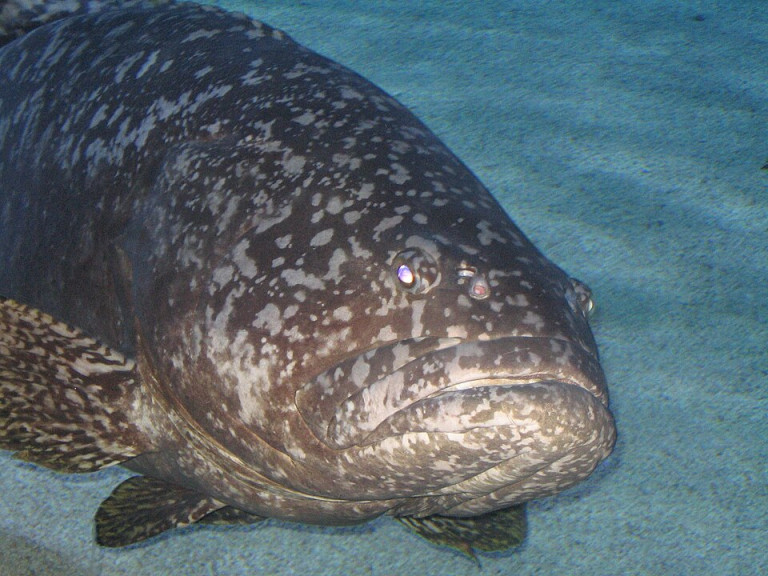
Giant Grouper
Epinephelus lanceolatus
Common
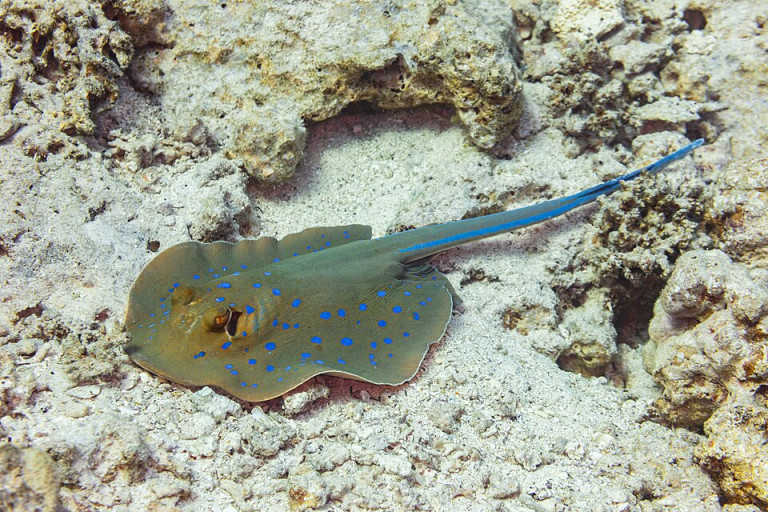
Blue-Spotted Stingray
Taeniura lymma
Common
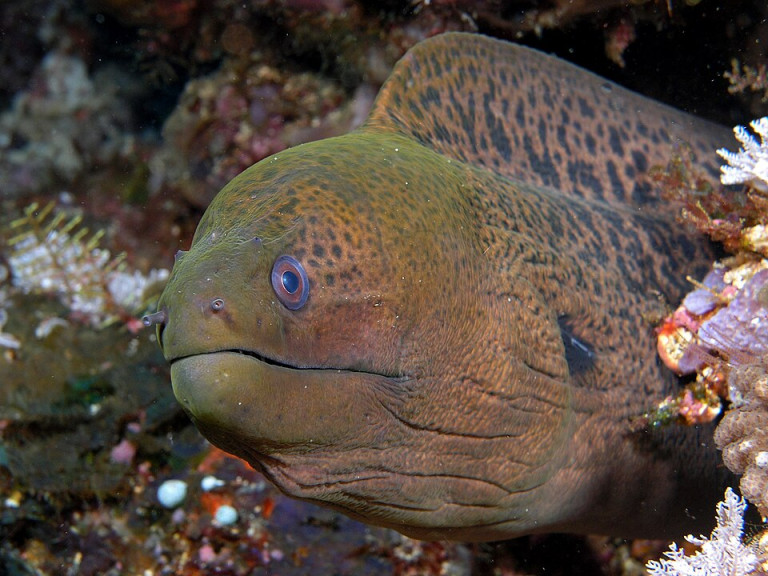
Giant Moray Eel
Gymnothorax javanicus
Common
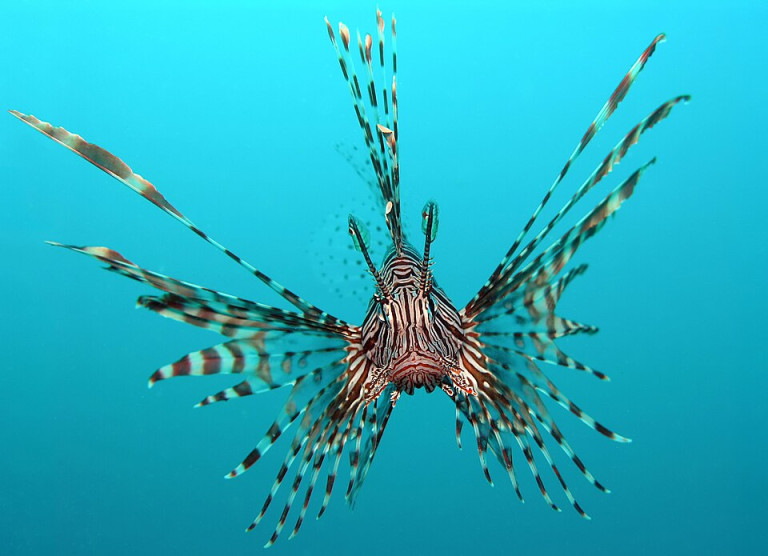
Lionfish
Pterois volitans
Common
Nudibranch
Chromodoris sp.
CommonWe use cookies and similar technologies for analytics and advertising (Google & Meta) to improve our site and measure our ads. These are off until you allow them. Essential cookies that make the site work are always on. See our Privacy Policy for how we handle your data.