Havelock Island 16 to 30m Depth Advanced Wall Dive with Turtles and White Tip Sharks

Broken Ledge: Turtles and White Tip
Sharks on the Rocky Wall

Difficulty Advanced AOW Required / Deep Dive
Max Depth 16-30m Main zone: 20-25m
Visibility 20-30m Best: Dec-Mar
Access Boat Dive 30-40 min from jetty

What Makes Broken Ledge Special

decorative divider

Broken Ledge is a deep-sea dive site characterized by dramatic rocky outcrops that emerge from the sandy bottom at approximately 24 meters. Named for its distinctive geological formation, a landmark ridge with a broken tip, this site offers a labyrinth of rifts, cracks, gaps, and miniature canyons that experienced divers love exploring.

The site’s pizza-slice formation with mini ravines and crevices creates natural sanctuaries for marine life, combined with exceptional resident reef fish density and frequent pelagic visitors. Swim through small canyons and discover hidden residents beneath rocky overhangs.

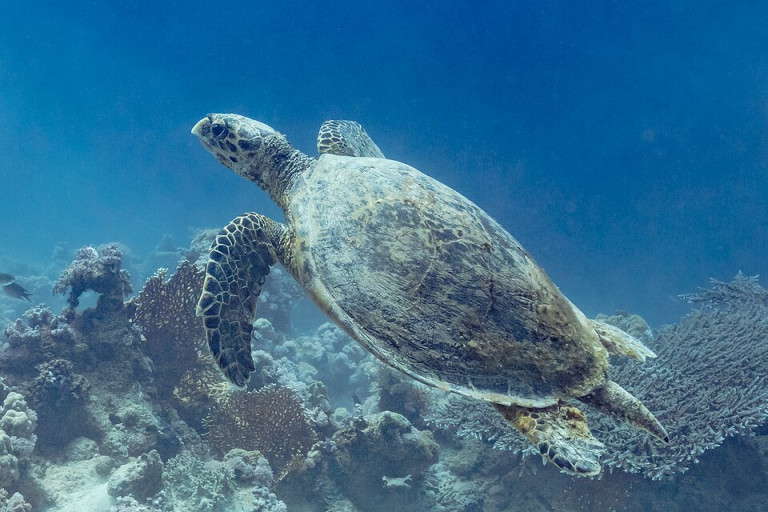
  • Turtle Hot SpotMultiple sea turtle species (Green, Hawksbill) are resident—frequently encountered on every dive
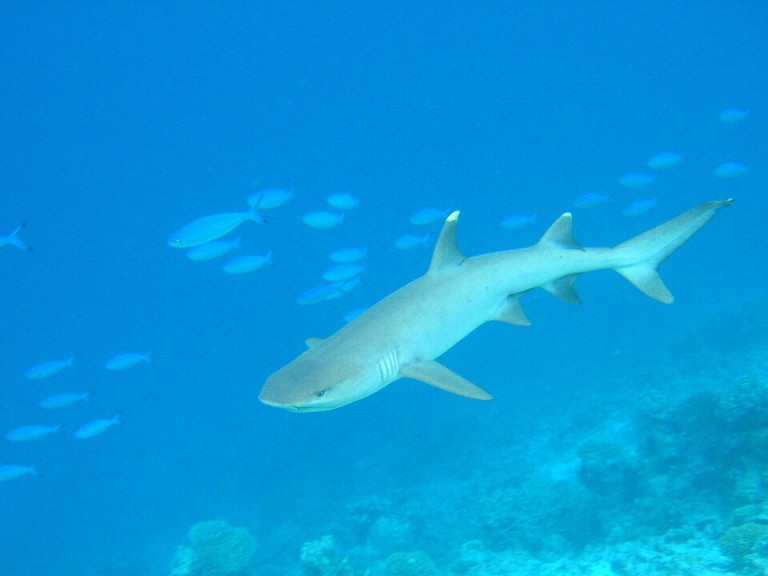
  • White-tip Shark TerritoryRegular white-tip reef shark visitors often resting on sandy areas or cruising the reef
  • Canyon Swim-throughsMini ravines and crevices creating natural passages between rocky outcrops
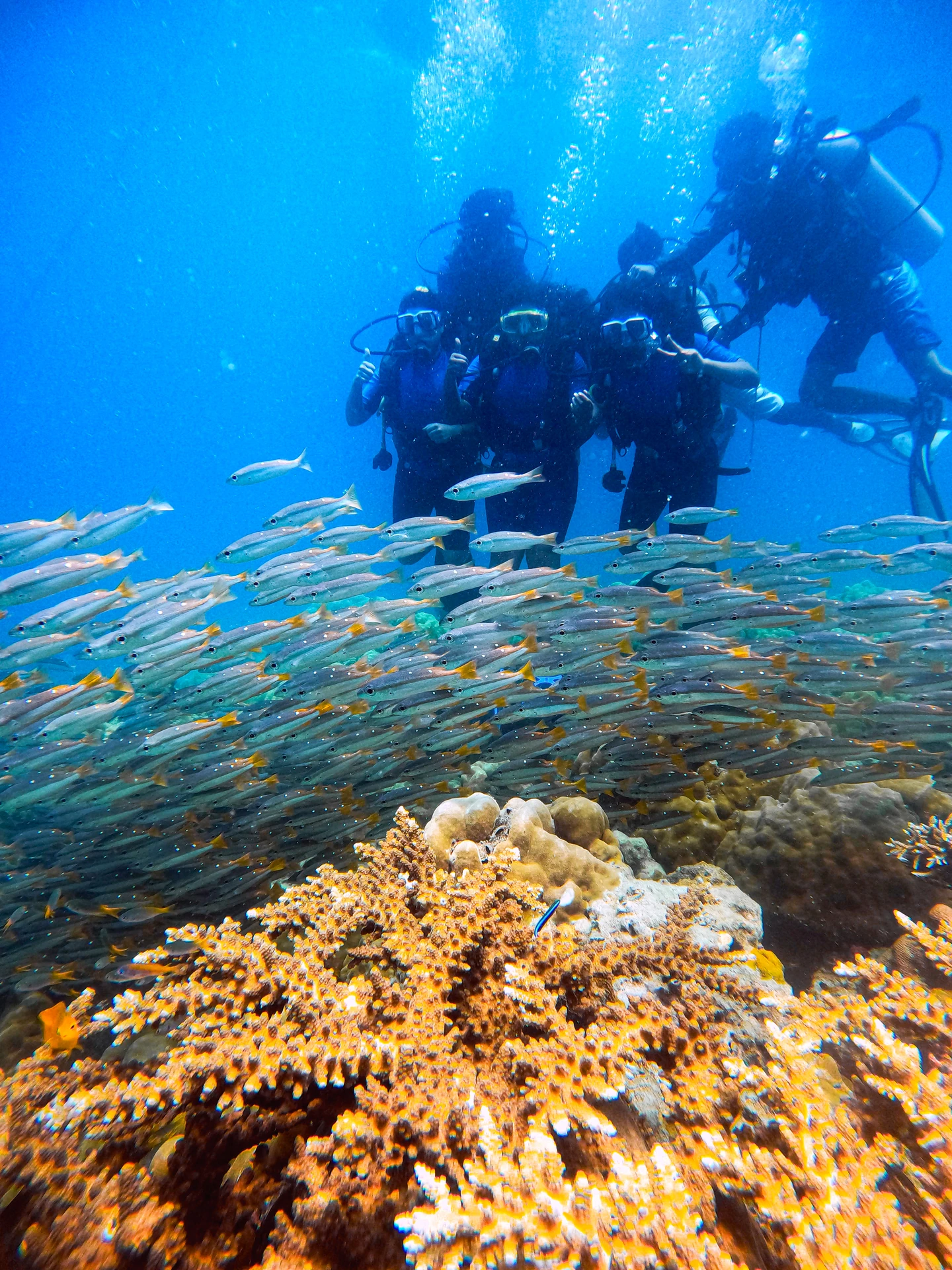
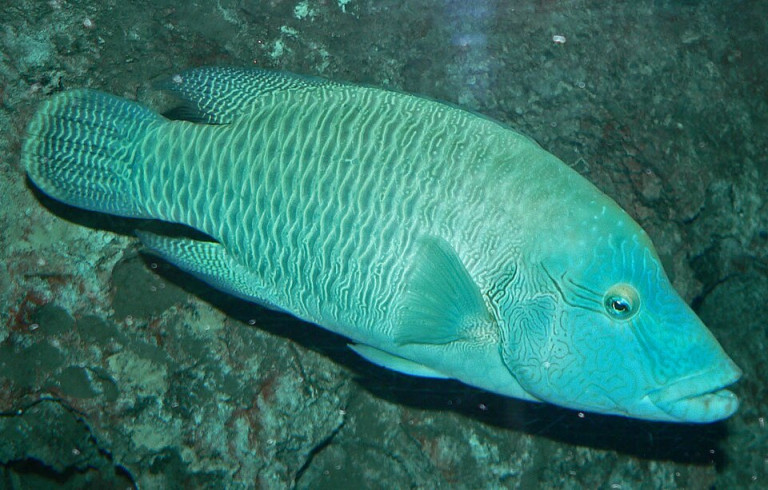
  • Massive Fish SchoolsThousands of snappers, longfin bannerfish, and Napoleon wrasse in residence
Broken Ledge dive site showing dramatic wall formation at Havelock Island

The Dive Experience: Exploring the Broken Ledge

decorative divider

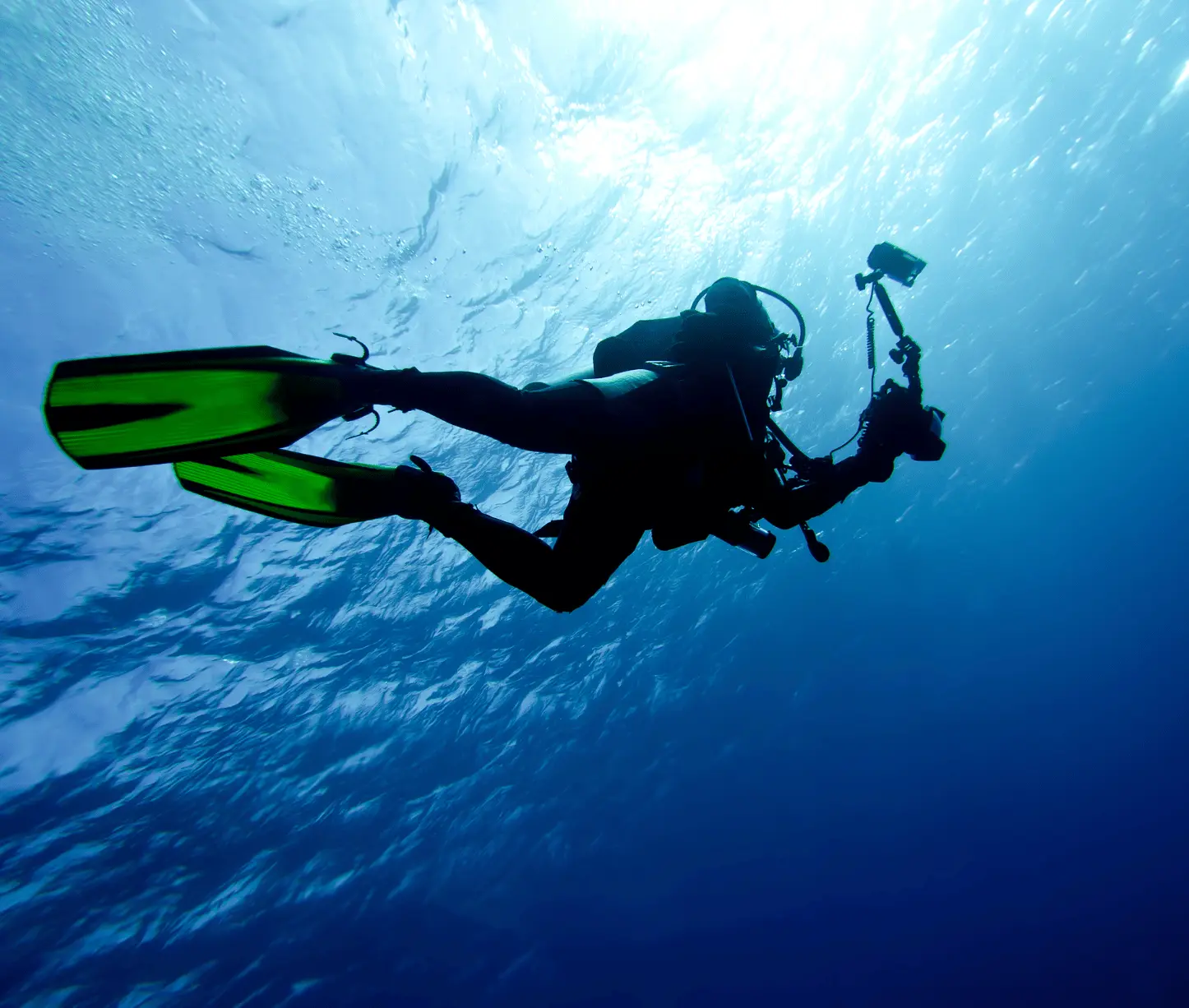
After a 30-40 minute boat journey to the offshore reef system, you descend into the blue—and then the distinctive broken ridge appears. Broken Ledge is an entirely different diving experience from Havelock’s shallow coral gardens.

The dive typically begins with a descent to 16-20 meters, where you approach the main reef edge. As you navigate deeper, the dramatic rocky outcrops reveal themselves. Ledges stacked like broken stairs, overhangs covered in coral, and dark crevices where marine life hides.

Sea turtles are the star attractions here. Green and Hawksbill turtles are frequently encountered in multiple sightings per dive. White-tip reef sharks are regular visitors, often seen cruising the reef edge or resting in sandy areas. Keep your eyes open for massive schools of snappers and bannerfish, sometimes numbering in the thousands.

Swim through small canyons between rocky outcrops, discover giant moray eels peering from crevices, and watch for pelagic visitors like manta rays, marble rays, and yellowfin tuna that occasionally pass by in the blue.

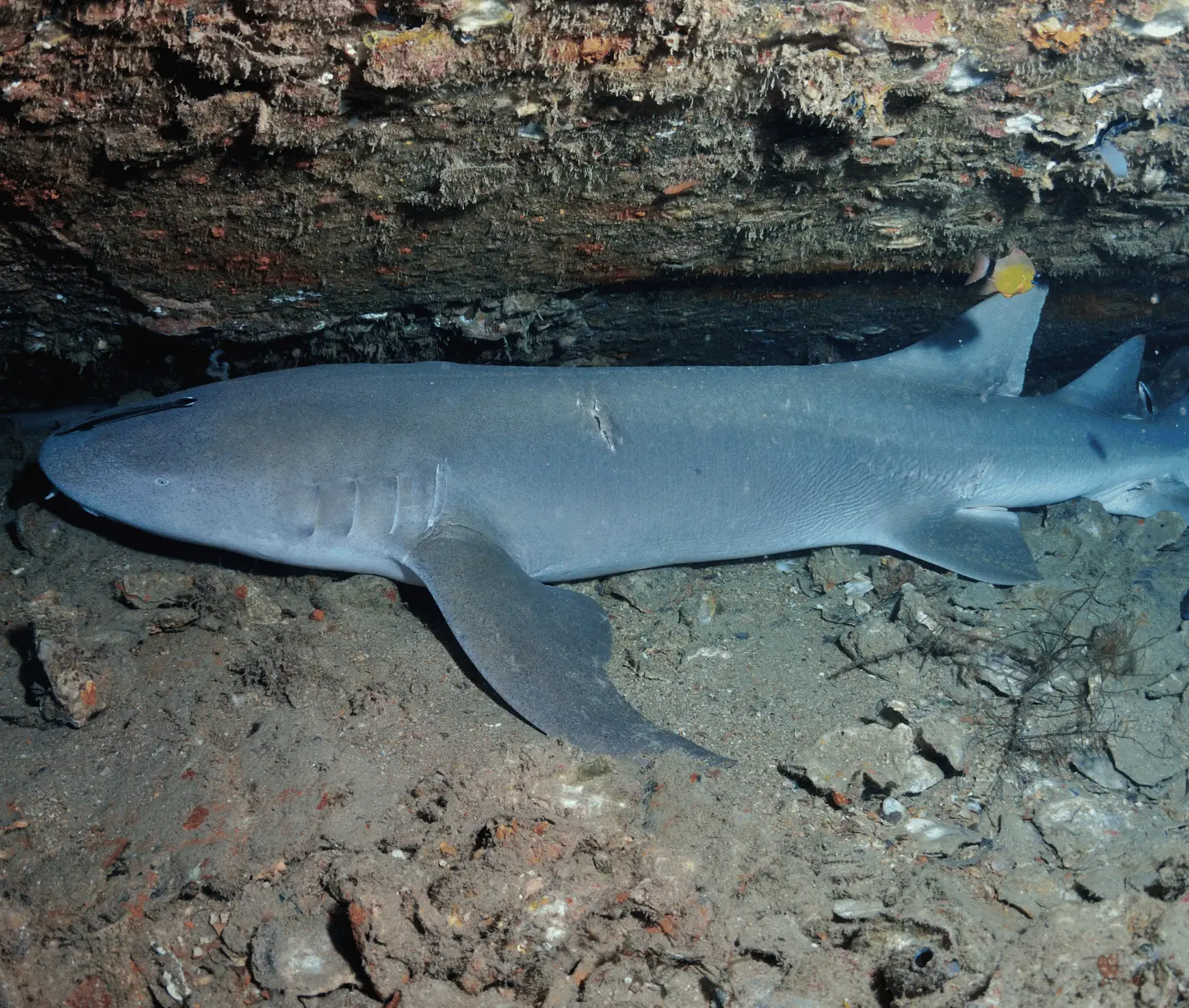
Tawny nurse shark resting in ledge at Broken Ledge, Havelock Island
Suchit - Founder & RAID Scuba Instructor at Frogman Scuba Diving

Broken Ledge separates the experienced divers from the rest. The depth, the currents, the wall. It demands your full attention. But that’s what makes it special. When you find your first nurse shark wedged into a ledge, when you drift along the wall and a massive trevally school parts around you, you understand why advanced diving is worth the investment. This is the site where I take divers who want to see what the Andamans are really capable of

Suchit Scuba Instructor & Founder, Frogman Scuba

Location & How to Get There

decorative divider
  • Geographic LocationOuter reef system, northeast of Havelock Island. Part of Ritchie's Archipelago marine ecosystem. GPS: 12.11000° N, 93.06000° E
  • Boat JourneyApproximately 30-40 minutes by dive boat from Havelock main jetty (Govind Nagar)
  • Entry TypeBoat entry only. Negative entry recommended to reach depth quickly and minimize drift.
  • Sea ConditionsMild to moderate currents typical - sheltered conditions compared to exposed channel sites. Best conditions Dec-Mar.

Underwater Topography

📊 Depth Profile
16-20m
Initial approach to reef edge
20-24m
Primary exploration zone—highest biodiversity
24-30m
Deep ledge formation and overhangs
30m+
Sandy bottom where rays and sharks rest
🗺️ Key Underwater Features
  • 🏔️
    Main Ledge Structure
    Broken ridge landmark starting at ~24m depth—the site's signature feature
  • 🕳️
    Mini Ravines & Crevices
    Natural swim-throughs and exploration channels between outcrops
  • 🪨
    Rocky Overhangs
    Shelter areas for eels, lobsters, and resting marine life
  • 🏖️
    Sandy Corridors
    Connect different sections of the reef structure where rays rest
  • 🪸
    Coral-Covered Outcrops
    Attract dense schools of tropical fish

Marine Life Encyclopedia

Broken Ledge delivers both the big stuff and the tiny treasures—a complete dive experience

Signature Species (The Stars of Broken Ledge)

🐢
Sea Turtles
Green & Hawksbill
Very High (almost guaranteed)

The stars of Broken Ledge. Multiple turtle species are resident here—frequently encounter several on a single dive.

🦈
White-tip Reef Shark
Triaenodon obesus
High

Regular visitors, often seen resting on sandy areas or cruising the reef edge.

🐠
Napoleon Wrasse
Cheilinus undulatus
High

Resident population of these gentle giants—curious and often approach divers.

Pelagic Visitors (Blue Water Action)

🐟
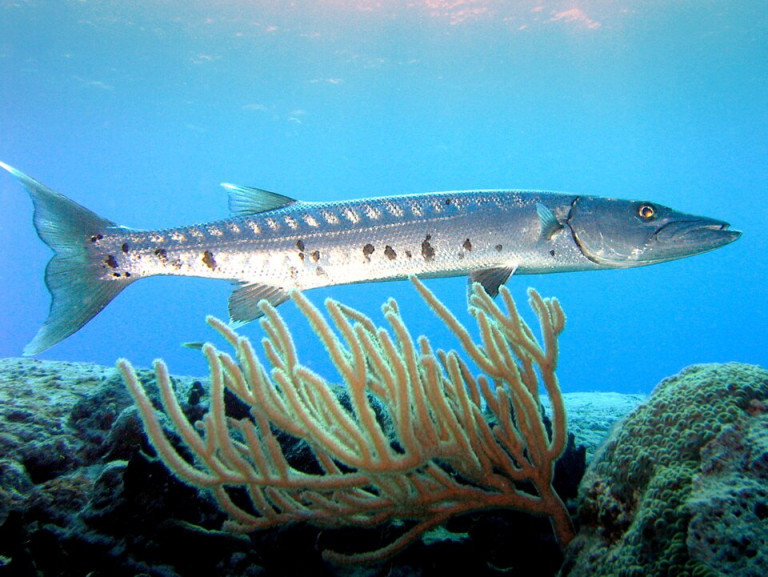
Great Barracuda
Regular
🦅
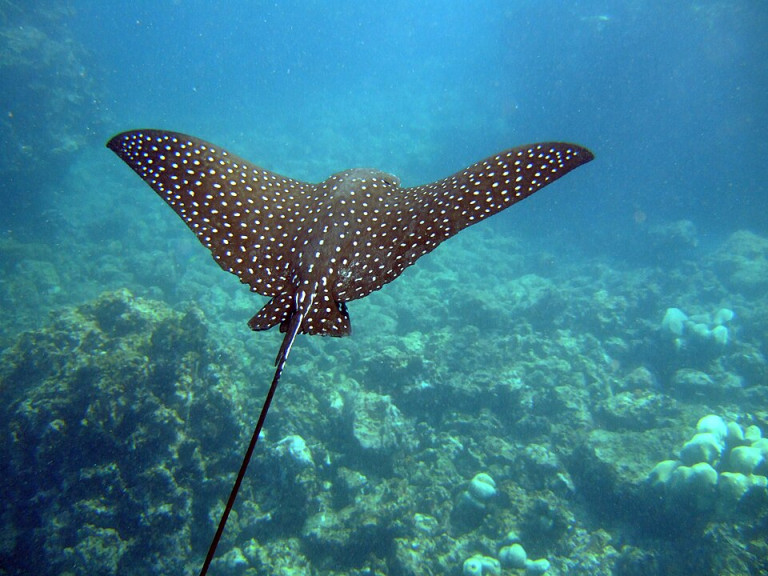
Spotted Eagle Ray
Regular
🐟
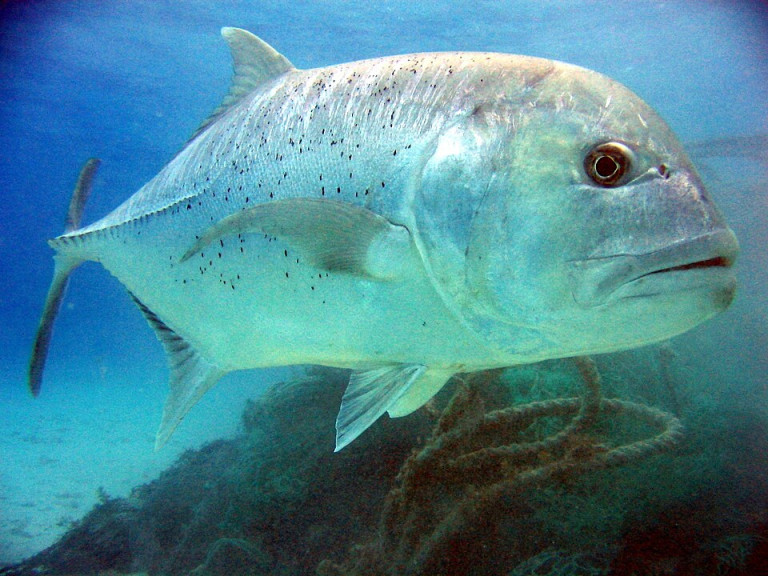
Giant Trevally
High
🐠
Rainbow Runner
Regular
🐟
Fusiliers
Guaranteed
🐠
Snapper Schools
Guaranteed

Macro Life & Wall Dwellers

🐌
Nudibranchs
Extensive variety—photographer's dream with unique species regularly found
🦞
Spiny Lobsters
Large specimens hiding in wall crevices and overhangs
🐙
Octopus
Camouflage masters blending into rocky ledges
🐡
Frogfish
Perfectly camouflaged ambush predators—a true find for macro enthusiasts
🐍
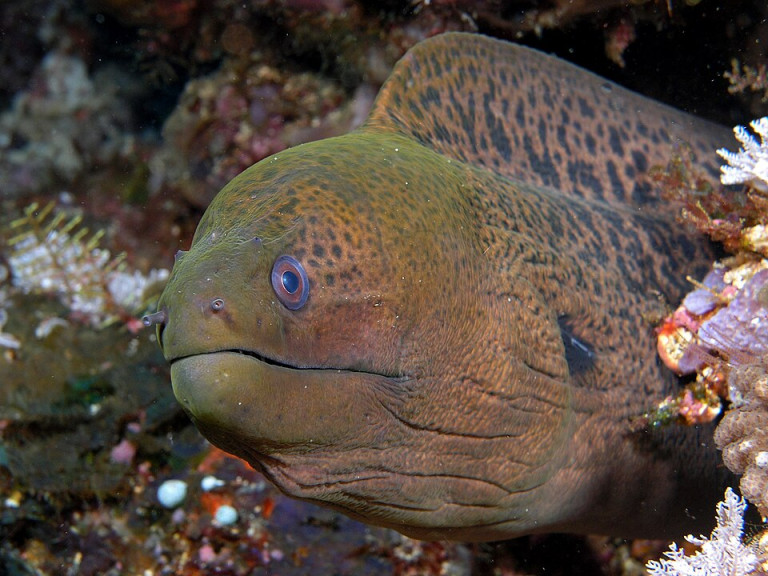
Moray Eels
Giant morays, honeycomb morays peeking from wall crevices

Coral & Reef Structure

The wall at Broken Ledge is covered in a stunning variety of soft and hard corals, creating a colorful backdrop to the dramatic topography.

🌸
Soft Corals
Vibrant reds, purples, and oranges blanket the wall face—stunning with proper lighting
🪭
Sea Fans (Gorgonians)
Large gorgonian fans extend from the wall into the current—look for pygmy seahorses
🖤
Black Coral
Deep wall sections feature these rare corals—observe but never touch
🧽
Barrel Sponges
Massive specimens serve as landmarks and cleaning station hosts
🌿
Whip Corals
Long, thin coral polyps swaying in the current on the wall face
🧠
Brain Corals
Massive boulder formations creating structural diversity

Best Time to Dive

Peak
December – March
  • Visibility: 20-30 meters (excellent)
  • Water Temp: 26-27°C
  • Currents: Mild to moderate, predictable
  • Wildlife: Peak turtle & shark activity
Good
October – November & April – May
  • Visibility: 15-25 meters (good)
  • Water Temp: 27-29°C
  • Currents: Generally mild
  • Advantage: Fewer divers, good conditions
Avoid
June – September (Monsoon)
  • Visibility: 5-15 meters (poor)
  • Sea State: Rough, dangerous swells
  • Access: Site typically closed
  • Safety: Diving NOT recommended
🌅 Early Dive Tip
Early morning dives at Broken Ledge maximize shark and turtle encounters—marine life is most active before the day heats up, and visibility is often at its peak.

Is Broken Ledge Right For You?

Perfect For

  • Advanced Certified Divers: AOW minimum with proven deep diving experience.
  • Experienced Divers (30+ dives): Buoyancy, air management, and current skills essential.
  • Shark & Turtle Enthusiasts: One of the best sites in Havelock for guaranteed encounters.
  • Macro Photographers: Endless nudibranch and critter hunting opportunities.
  • Wall Dive Fans: If you love dramatic topography and vertical reefs.

Not Recommended For

  • Open Water Divers: Exceeds OW depth limits (18m). AOW required.
  • Beginners: Not suitable for DSD or inexperienced divers.
  • Current-Averse Divers: Moderate to strong currents are common.
  • Poor Air Consumers: Deep diving at 25-30m depletes air quickly.
⚠️ Safety First
Broken Ledge demands respect. All divers undergo a thorough pre-dive briefing covering depth limits, current management, buddy procedures, and ascent protocols. Emergency oxygen and safety equipment are always on board. Nitrox is recommended for extended bottom time.

Gallery

decorative divider

Frequently Asked Questions

decorative divider

What certification do I need for Broken Ledge?

Advanced Open Water (AOW) certification is the minimum requirement. We strongly recommend 30+ logged dives with proven experience in deep diving and current management. Deep Diver specialty certification is beneficial. Open Water divers cannot dive this site as it exceeds the 18m depth limit.

What sharks will I see at Broken Ledge?

Tawny nurse sharks are the most common—these docile 2-3m sharks rest in the ledges during the day. White-tip reef sharks are also frequently spotted. Occasionally, larger species like grey reef sharks or even hammerheads have been reported, though these are rare. All sharks at this site are non-aggressive toward divers.

How strong are the currents at Broken Ledge?

Moderate to strong currents are common at Broken Ledge. This can work in your favor. The dive often becomes a great drift along the wall. However, you must be comfortable with current diving. Your divemaster will assess conditions and brief you on current management. Negative entries and reef hooks may be used when appropriate.

How deep does the wall go?

The wall extends well beyond recreational diving limits. For recreational divers, the main dive zone is 22-30m, with an absolute maximum of 35m for properly certified and experienced divers. Do not exceed your certification limits. The best shark and macro encounters are typically in the 22-28m range.

Is Nitrox recommended for Broken Ledge?

Yes! Nitrox (EANx32 or EANx36) is highly recommended for Broken Ledge dives. The deeper profiles mean reduced bottom time on air. Nitrox extends your no-decompression limit, giving you more time to explore the wall and find sharks. Frogman offers Nitrox fills for certified divers.

Ready to Dive Broken Ledge?

Havelock’s premier wall dive awaits. Sharks, dramatic topography, incredible marine life—for advanced divers ready for the next level.

  • RAID Certified Center
  • Advanced Dive Specialists
  • Nitrox Available