Havelock Island 10 to 15m Depth Coral Focus · Dugong Territory

Mac Point: Dugong Territory
and Pristine Seagrass Meadows

Difficulty Beginner+ OW+ / Dugong Territory
Max Depth 10-15m Typical: 10-14m
Visibility 15-30m Best: Dec-Mar
Access Boat Dive 15-30 min from jetty

What Makes Mac Point Special

decorative divider

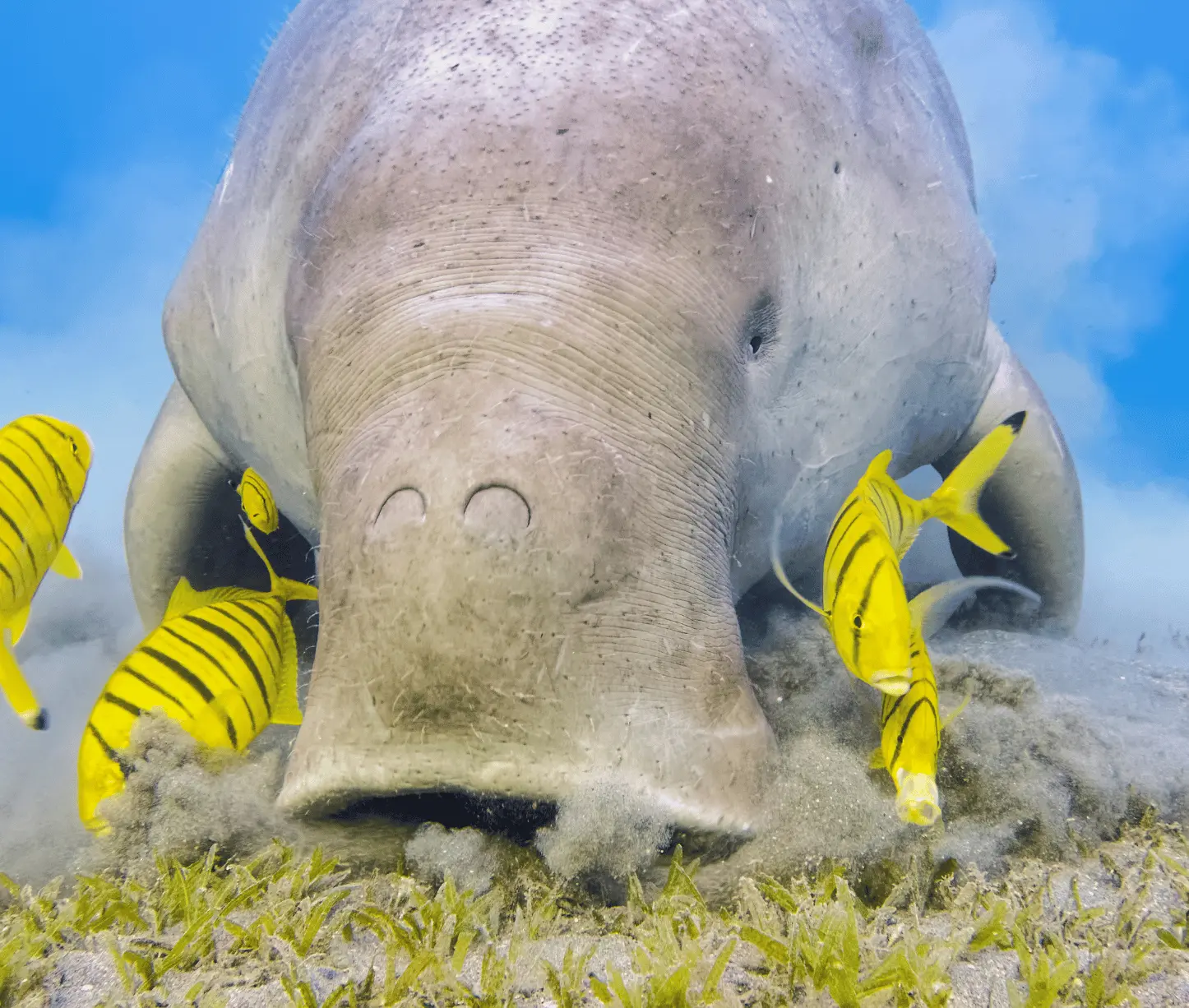
Mac Point is one of the rare dive sites in all of India where you might encounter a dugong—the endangered “sea cow” of the ocean. Located on the western side of Havelock Island near Radhanagar Beach, this unique site combines seagrass meadows with coral reef systems, creating an ecosystem unlike any other in the Andamans.

While dugong sightings are never guaranteed (they’re wild, shy creatures), Mac Point offers the highest probability in the region. Even without a dugong encounter, the site rewards divers with excellent turtle sightings, healthy coral formations, and a peaceful underwater environment.

  • Dugong TerritoryOne of the only dive sites in India where endangered dugongs (sea cows) are regularly spotted grazing on seagrass
  • Seagrass EcosystemRare underwater meadows supporting unique marine life—a habitat you won't find at other Havelock sites
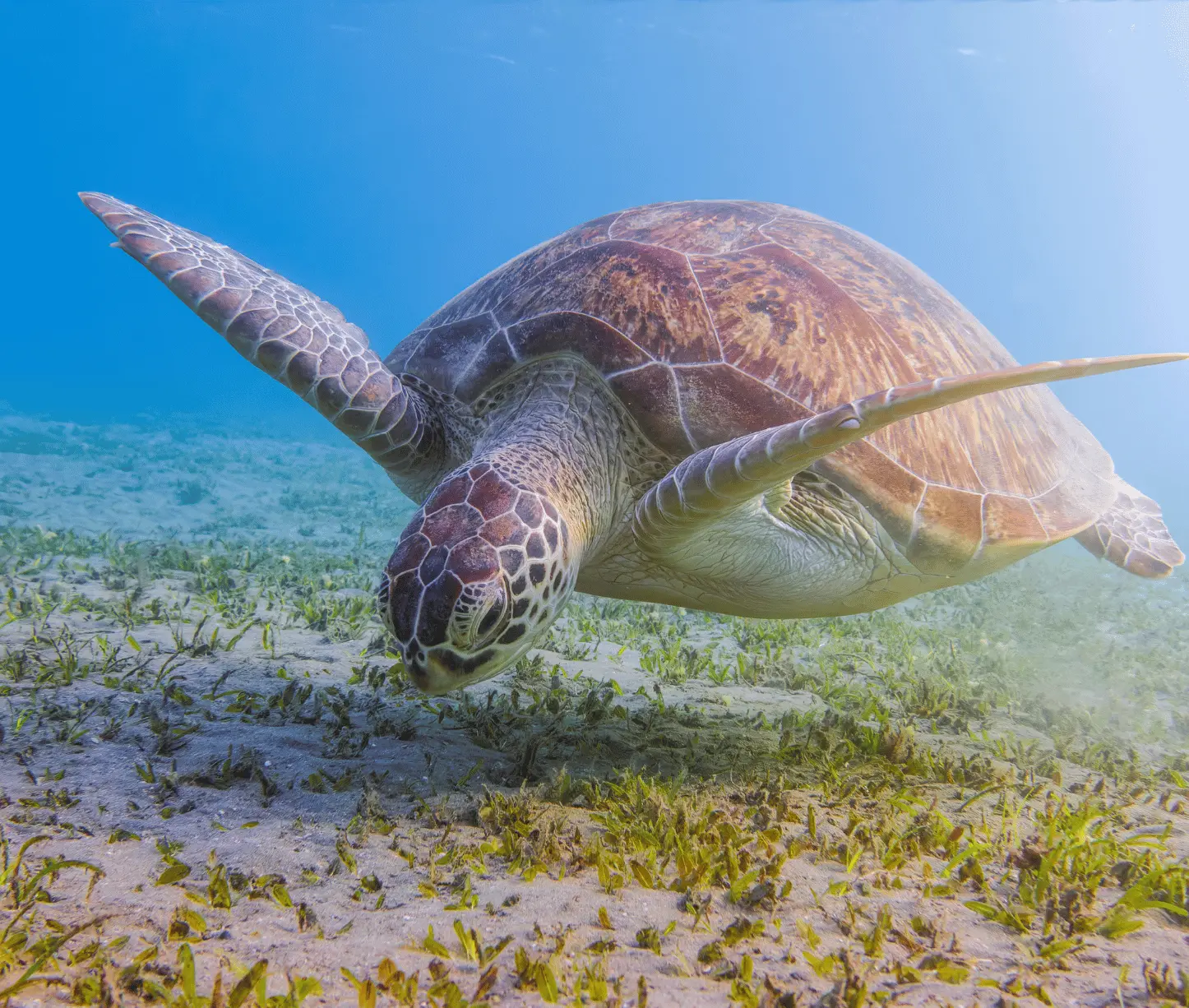
  • Turtle Hot SpotHawksbill and green turtles are common residents, often seen feeding on sponges and seagrass
  • Wide-Angle PhotographyLarge, charismatic subjects and open underwater scenery—perfect for wide-angle photos
Mac Point dive site showing seagrass meadows and turtle at Havelock Island

The Dive Experience: Into the Seagrass

decorative divider

After a scenic 15-30 minute boat ride along Havelock’s western coastline, you descend into a different world. Mac Point is not like the typical coral reef dives. Here, the seagrass meadows create a completely different underwater landscape.

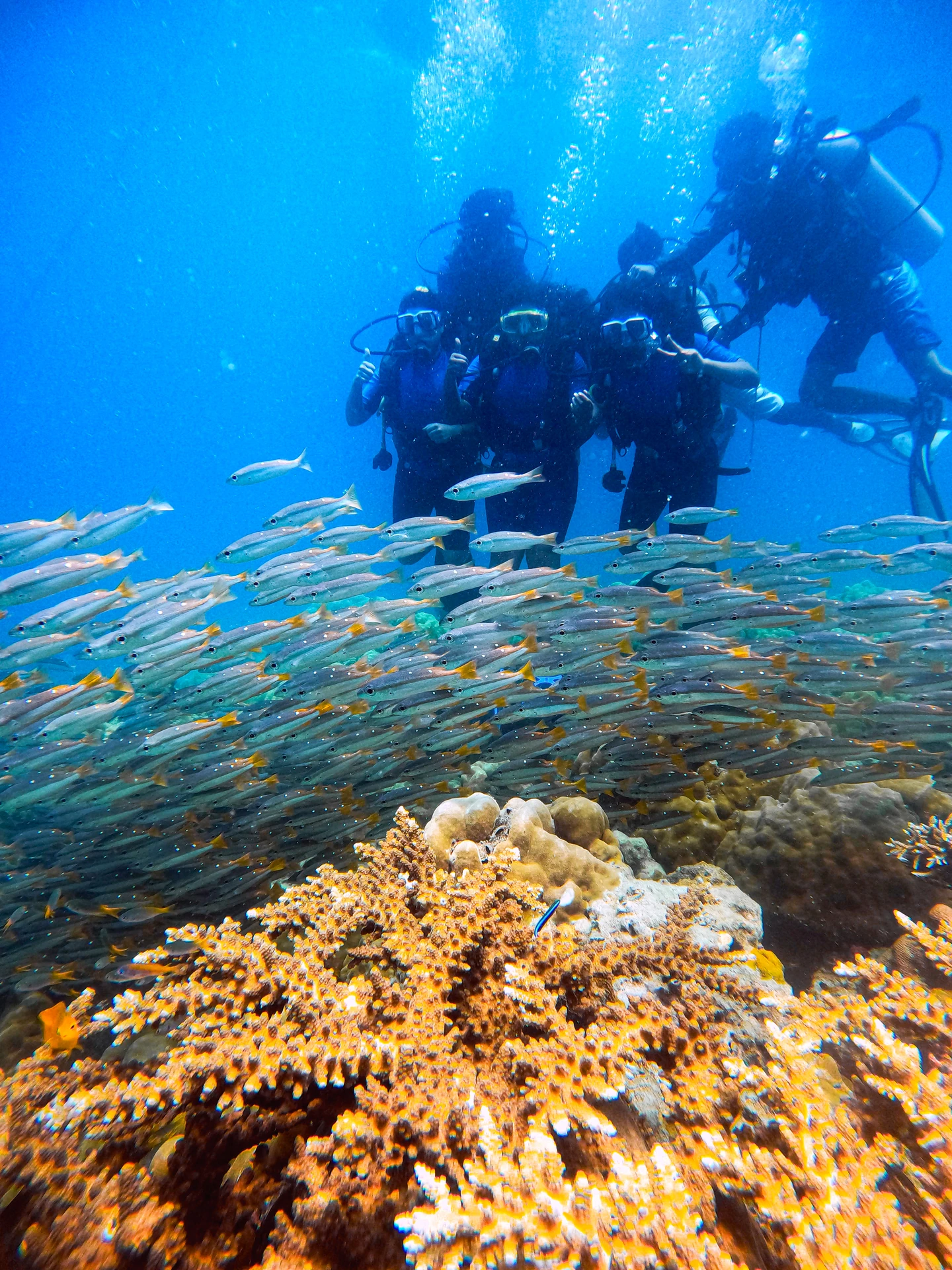
The dive typically starts in the coral zone around 8-10m, where healthy table corals and brain corals are home to the usual reef fish: parrotfish, angelfish, butterflyfish. But the real magic begins as you drift toward the seagrass beds.

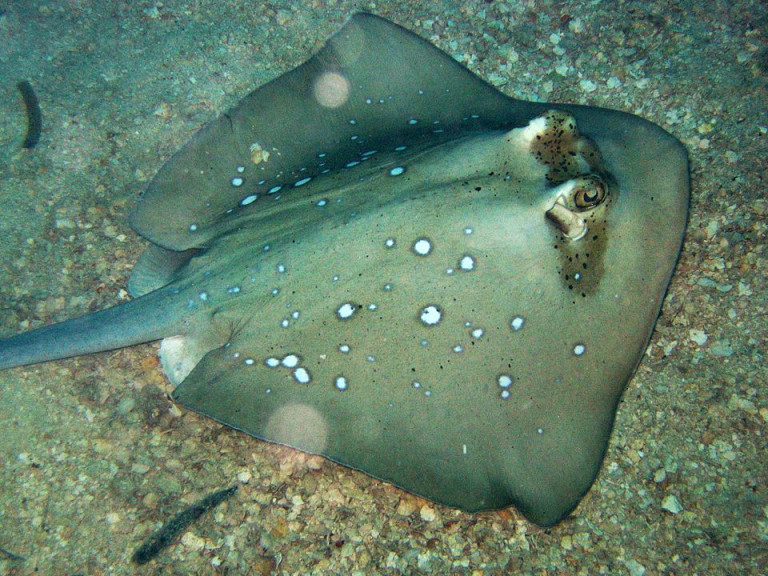
In the seagrass zone, things look different. Turtles are almost guaranteed here. Hawksbills munch on sponges while greens graze on seagrass like underwater cows. Stingrays rest on the sandy patches between grass beds. And if the ocean gods are smiling, you might glimpse the gentle silhouette of a dugong moving through the meadow.

The dive finishes with a slow ascent over the reef, often encountering schools of snappers and fusiliers in the shallows—a good way to finish the dive.

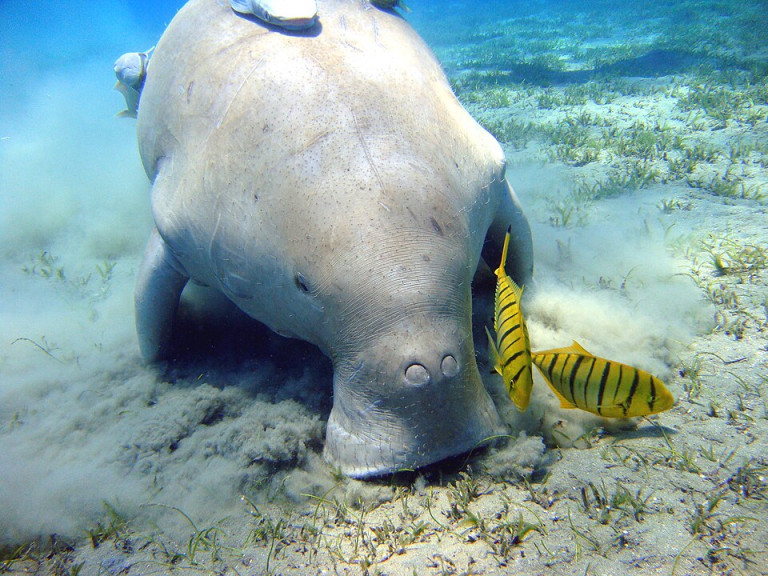
Dugong (sea cow) grazing on seagrass at Mac Point, Havelock Island
Suchit - Founder & RAID Scuba Instructor at Frogman Scuba Diving

Mac Point is where patience pays off. The dugong isn’t a guaranteed sighting—these are wild, shy animals that can travel miles in a day. But the conditions here are perfect for them: calm waters, rich seagrass, minimal boat traffic. I tell my divers: focus on the turtles, keep your movements slow, scan the meadow edges. If a dugong shows up, you’ll never forget it. If not, you’ve still had one of the most unique dives in Havelock.

Suchit Scuba Instructor & Founder, Frogman Scuba

Location & How to Get There

decorative divider
  • Geographic LocationWestern coast of Havelock Island, near Radhanagar Beach (Beach No. 7). Part of the protected coastal ecosystem. GPS: 12.02500° N, 92.98500° E
  • Boat JourneyApproximately 15-30 minutes by dive boat from Havelock main jetty (Govind Nagar)
  • Entry TypeBoat entry only. Gentle negative or giant stride entry from dive boat.
  • Sea ConditionsUsually calm to mild current - sheltered by the western coast. Best during calm season (Dec-Mar).

Underwater Topography

📊 Depth Profile
0-5m
Shallow reef and safety stop zone
5-8m
Mixed coral and seagrass transition zone
8-14m
Main dive zone—seagrass meadows & coral patches (typical depth)
14-15m
Sandy bottom with scattered seagrass (max depth)
🗺️ Key Underwater Features
  • 🌾
    Seagrass Meadows
    The defining feature—expansive beds of Halodule and Thalassia seagrass that attract dugongs and turtles
  • 🪸
    Coral Reef Zone
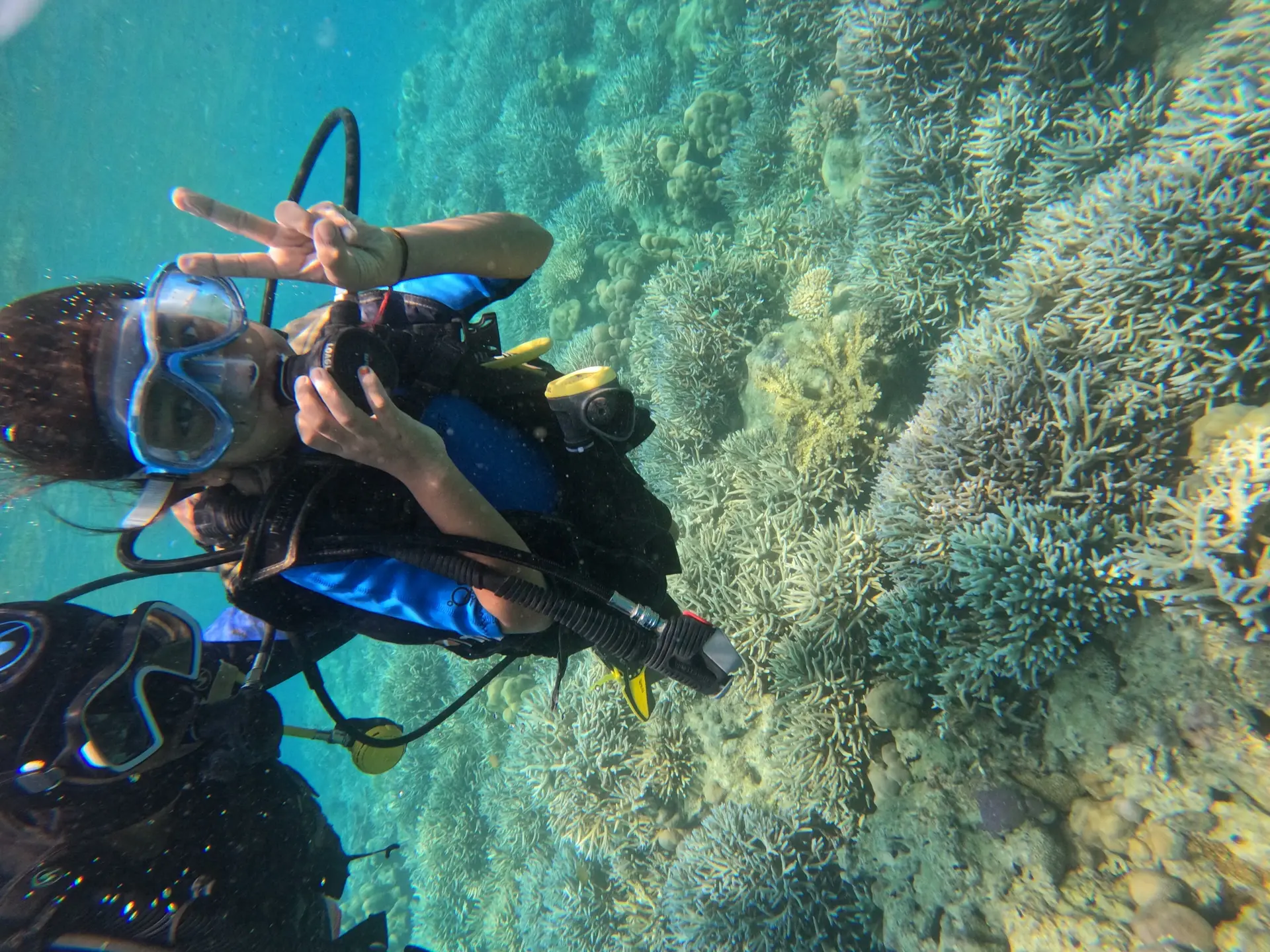
    Healthy hard coral formations including table coral, brain coral, and massive Porites boulders
  • ⛱️
    Sandy Patches
    Interspersed areas where stingrays rest and garden eels emerge
  • 📐
    Gentle Slope
    Gradual descent from reef to seagrass—comfortable for photographers
  • 👁️
    Clear Sightlines
    Open topography allows for spotting large animals at distance

Marine Life Encyclopedia

Mac Point's unique seagrass ecosystem supports marine life you won't find at coral-only sites

Signature Species (The Stars of Mac Point)

🦛
Dugong (Sea Cow)
Dugong dugon
Occasional (never guaranteed)

The endangered "sea cow" of the Indian Ocean. These gentle giants can reach 3m and graze on seagrass like underwater manatees. Mac Point offers the best chance in Havelock.

🐢
Green Sea Turtle
Chelonia mydas
Very High (almost guaranteed)

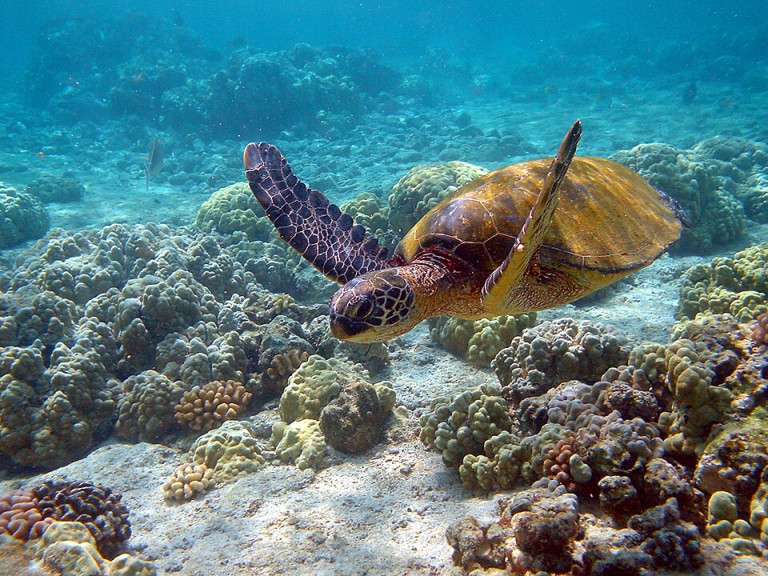
Herbivorous turtles that feed on the seagrass meadows. Often seen grazing slowly, very tolerant of divers who approach calmly.

🐢
Hawksbill Turtle
Eretmochelys imbricata
High

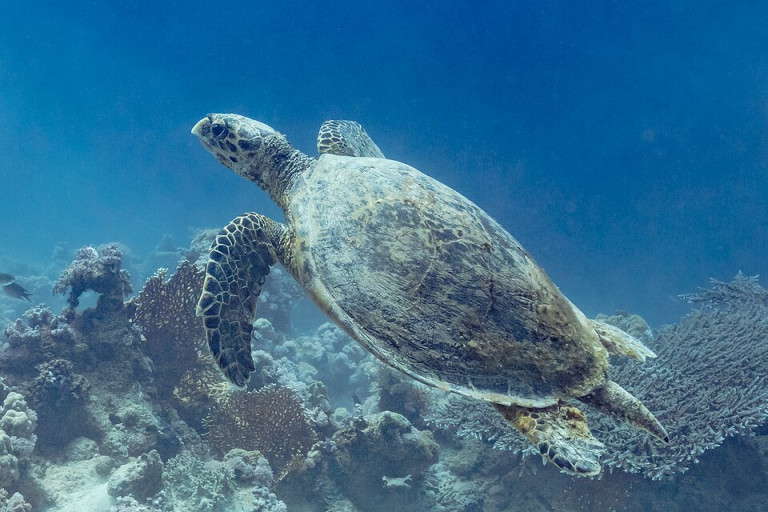
Smaller than greens, with a distinctive pointed beak. Often seen feeding on sponges in the coral zone. Beautiful shell patterns.

Common Reef Residents

🐟
Blue-spotted Stingray
High
🦈
Leopard Shark
Regular
🦅
Eagle Ray
Regular
🐡
Pufferfish
Guaranteed
🐠
Parrotfish
Guaranteed
🐟
Groupers
High

Special Encounters

🐌
Garden Eels
Colonies emerging from sandy patches—fascinating to watch swaying in unison
🐙
Octopus
Masters of camouflage hiding among rocks and coral
🦀
Decorator Crabs
Tiny crustaceans covered in algae and sponges—macro photography gems
🦑
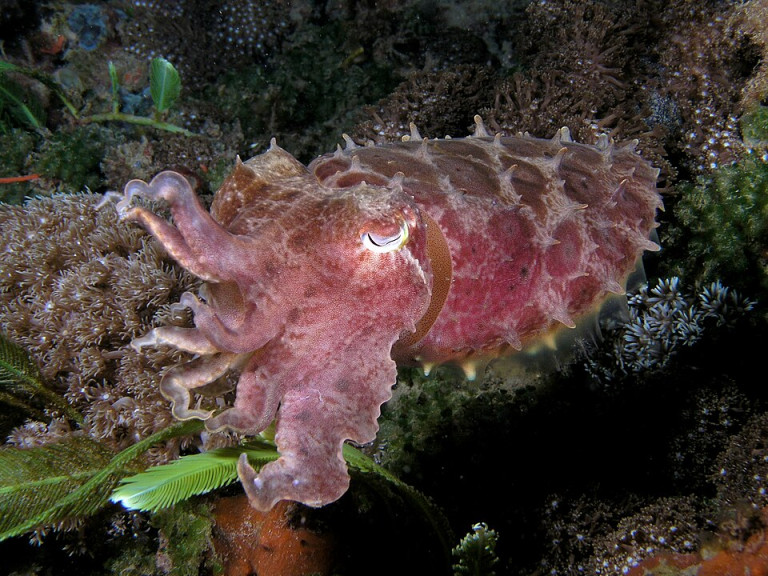
Cuttlefish
Often hiding near the reef-seagrass boundary—masters of camouflage

Coral & Reef Structure

Mac Point features a mixed ecosystem with both traditional coral reef and rare seagrass meadows—a unique combination in Havelock.

🍽️
Table Corals
Large Acropora table formations dominate the shallower reef zone, providing shelter for reef fish
🌾
Seagrass Meadows
Dense beds of Halodule and Thalassia seagrass—the primary food source for dugongs & green turtles
🧠
Brain Corals
Massive boulder-shaped corals scattered throughout, some several meters across
🪨
Porites Boulders
Ancient coral heads that serve as landmarks and habitat for smaller reef creatures

Best Time to Dive

Peak
December – March
  • Visibility: 15-30 meters (excellent)
  • Water Temp: 27-29°C
  • Sea State: Calm, sheltered waters
  • Wildlife: Best dugong and turtle activity
Good
October – November & April – May
  • Visibility: 10-25 meters (good)
  • Water Temp: 28-30°C
  • Sea State: Generally calm
  • Advantage: Fewer divers, relaxed conditions
Avoid
June – September (Monsoon)
  • Visibility: 5-15 meters (poor)
  • Sea State: Rough, strong winds
  • Access: Site may be inaccessible
  • Safety: Diving conditions unsuitable
🦛 Dugong Spotting Tip
For the best chance at a dugong sighting, visit during the early morning hours in peak season. Dugongs tend to graze when waters are calmest and boat traffic is minimal.

Is Mac Point Right For You?

Perfect For

  • Open Water Divers: Ideal shallow depth range (10-15m) for certified divers.
  • Beginners with Experience: OW divers with good buoyancy control can fully enjoy this site.
  • DSD Participants: Supervised try-dives possible in shallow 6-12m sections.
  • Wildlife Enthusiasts: If you love turtles, rays, and large marine life, this is your site.
  • Underwater Photographers: Wide-angle opportunities with large, cooperative subjects.

Not Recommended For

  • Non-Swimmers: Basic swimming ability recommended for comfort.
  • Coral-Only Seekers: If you want dense colorful reef, try Aquarium or Lighthouse.
  • Guaranteed Sighting Expectations: Dugongs are wild—no promises!
  • Impatient Divers: Best rewards come to those who wait and scan.
🦛 Important Note
Dugong sightings are never guaranteed—they are wild, endangered animals with vast home ranges. Come for the unique ecosystem and wonderful turtle encounters; consider a dugong sighting the bonus of a lifetime.

Gallery

decorative divider

Frequently Asked Questions

decorative divider

Will I definitely see a dugong at Mac Point?

No, dugong sightings are never guaranteed. Dugongs are wild, endangered animals that travel extensively. Mac Point offers the best probability in Havelock due to its seagrass meadows (their food source), but sightings remain occasional. Come for the ecosystem and the excellent turtle encounters. If a dugong shows up, that is a life-changing bonus.

What certification do I need to dive Mac Point?

Open Water (OW) certification is suitable for Mac Point due to its shallow 10-15m depth range. The site is beginner-friendly with calm conditions and easy navigation. Even DSD (Discover Scuba Diving) participants can experience the shallower sections (6-12m) under instructor supervision.

When is the best time to visit Mac Point?

December through March offers peak conditions with calm seas, 15-30m visibility, and optimal dugong/turtle activity. Early morning dives during peak season maximize chances of special wildlife encounters. October-May is the overall diving season. Avoid June-September (monsoon) when conditions are rough and visibility poor.

How far is Mac Point from Havelock jetty?

Mac Point is located on Havelock’s western coast, near Radhanagar Beach (Beach No. 7). The boat journey takes approximately 15-30 minutes from the main Havelock jetty (Govind Nagar). It’s a scenic ride along the coastline.

What makes Mac Point different from other Havelock dive sites?

Mac Point stands out because of its seagrass meadows, a habitat you will not find at coral reef sites like Aquarium or Lighthouse. This ecosystem attracts seagrass specialists like dugongs and green turtles. The combination of coral reef and seagrass makes it one of the most biodiverse sites in the region.

Ready to Dive Mac Point?

Experience Havelock’s unique seagrass ecosystem. Turtles on almost every dive, and a chance to see dugongs if you are lucky.

  • RAID Certified Center
  • Wildlife-Conscious Diving
  • Small Group Sizes