Havelock Island 8 to 25m Depth Resident Leopard Sharks

Pilot Reef: Home to Havelock's
Leopard Shark Family

Difficulty Beginner to Int. DSD / OWD OK
Max Depth 25m Avg. 9 to 14m
Visibility 20 to 40m Best: Dec to Apr
Access Boat 10 to 15 min from Jetty

What Makes Pilot Reef Special

decorative divider

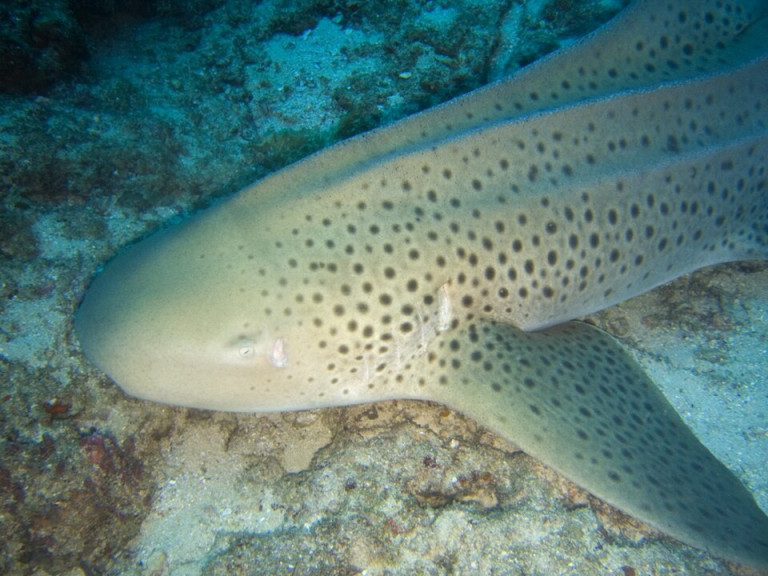
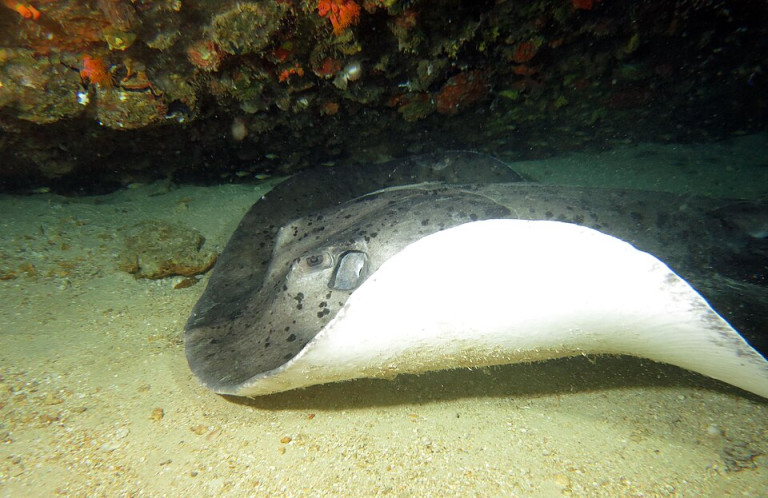
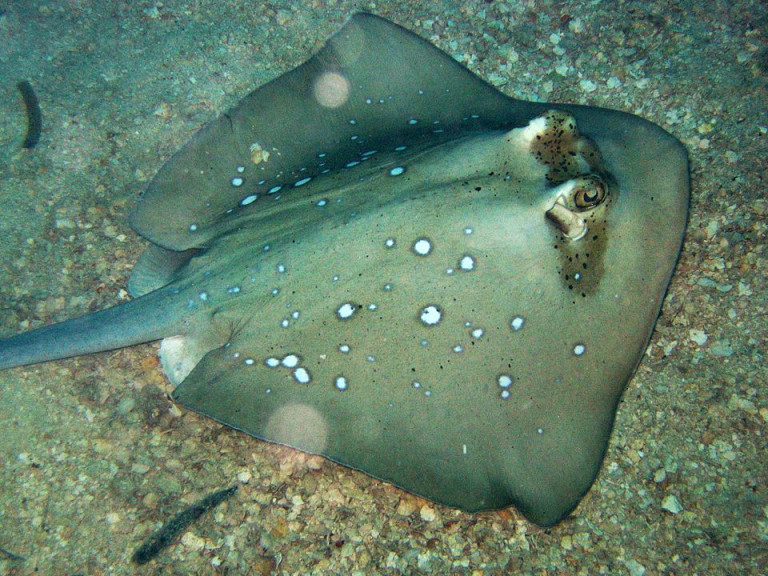
Pilot Reef is a sprawling flat reef ecosystem near Havelock’s shipping channel entrance, known for its resident family of leopard sharks (zebra sharks) and marble rays resting on sandy banks. This large patch reef has colorful coral outcrops, great macro life, and works as a natural cleaning station for a range of marine species.

Named after its proximity to the shipping channel used by marine pilots, this dive site appears on old topographical maps and has become one of Havelock’s most reliable spots for charismatic megafauna encounters. The varied depth profile makes it perfect for divers of all certification levels.

  • Resident Leopard SharksA family of docile leopard sharks (zebra sharks) frequently spotted lounging on sandy banks
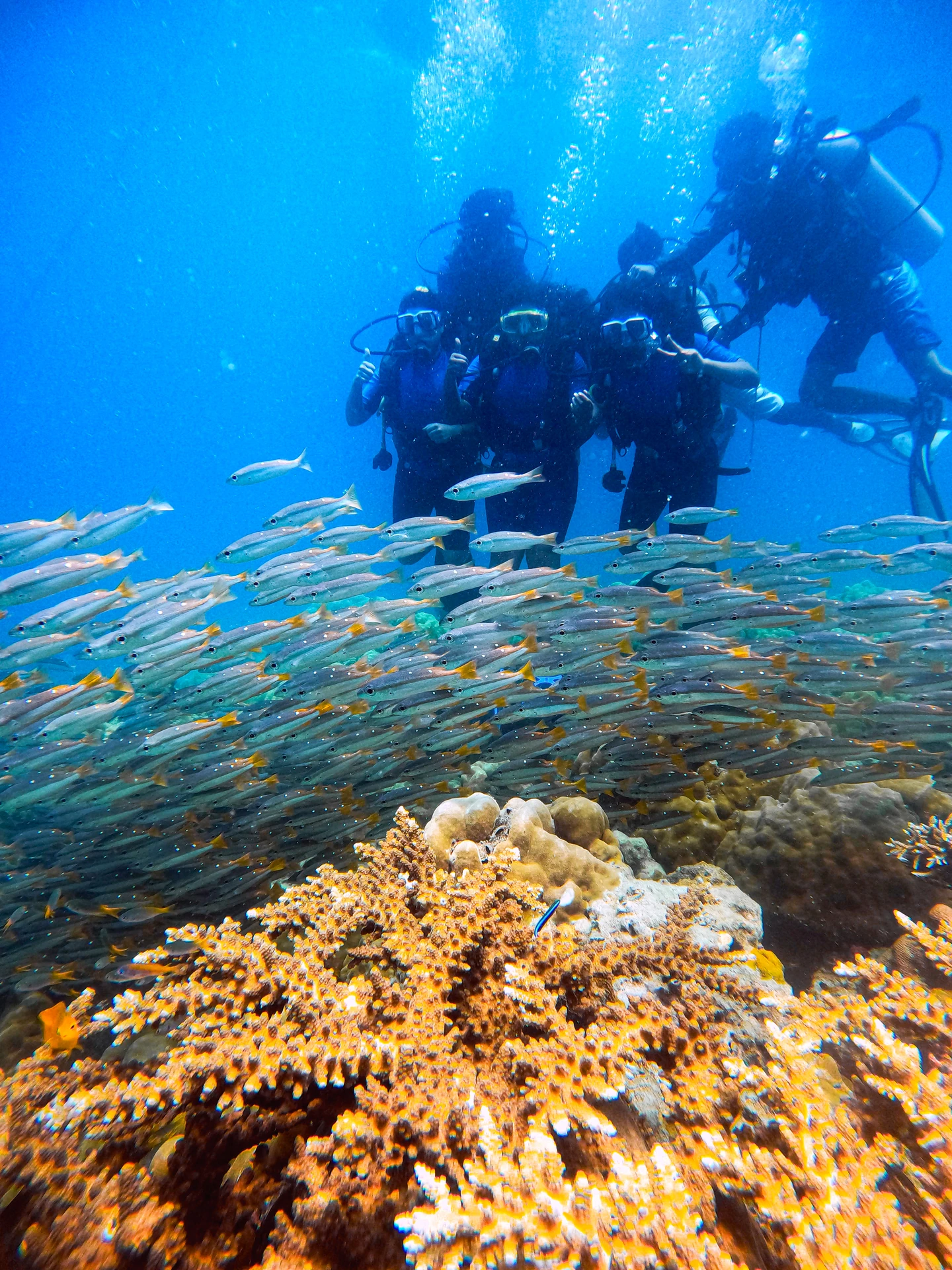
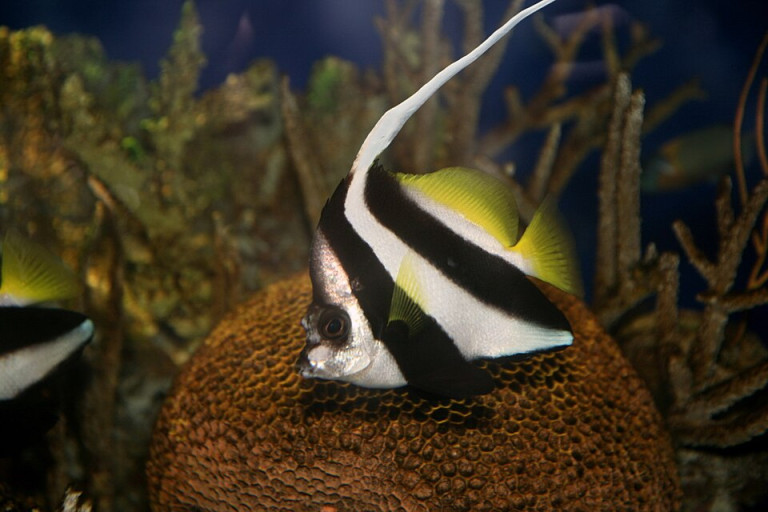
  • Phantom Bannerfish MonumentUnique schooling phenomenon—forms a hovering "wall" at 8m found nowhere else in Havelock
  • Macro ParadiseExceptional crustaceans, nudibranchs, scorpionfish & camouflaged creatures for sharp-eyed divers
  • Rocky Fortress TopographyComplex crevices, small caves & 25-meter canyon strip sheltering reef residents
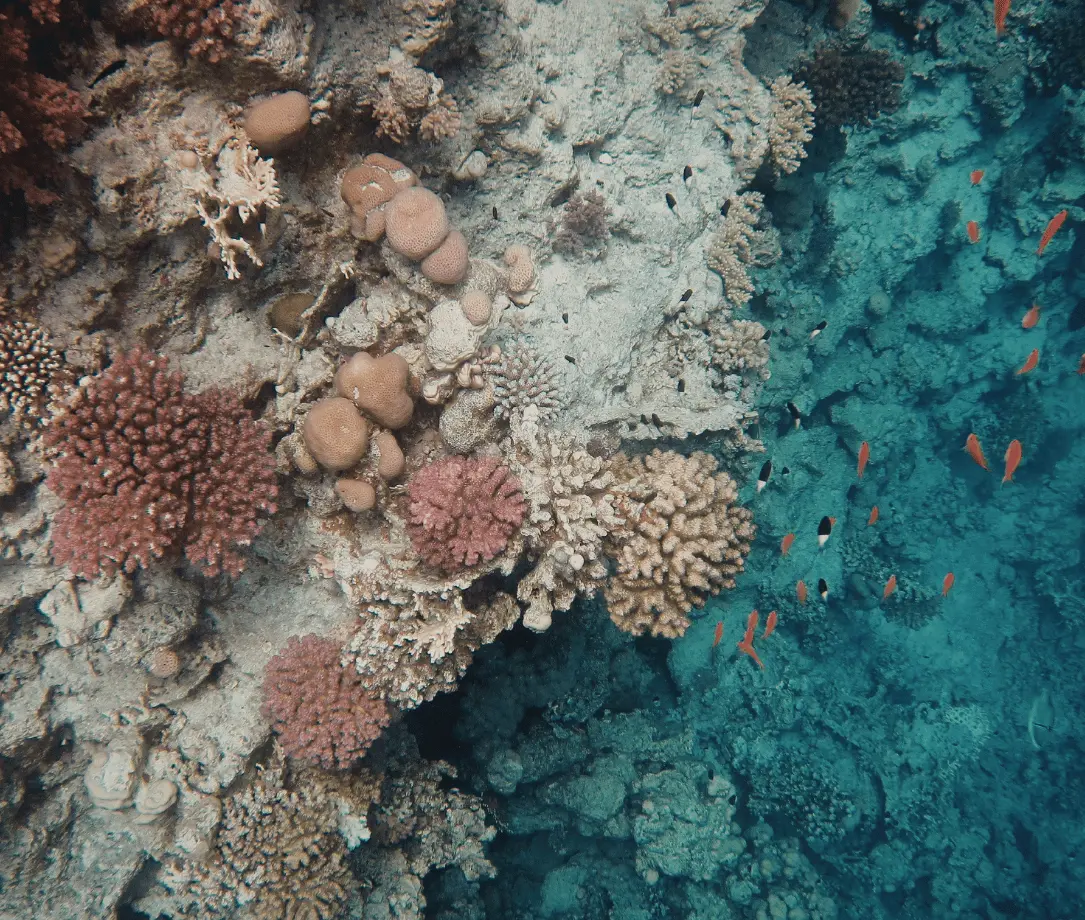
coral outcrops and fish schools at Pilot Reef Havelock Island

The Dive Experience: Meeting the Leopard Sharks

decorative divider

Just 10 minutes from the jetty, Pilot Reef rises from the seabed like a fortress of coral-covered rock. As you descend, the first landmark appears at 8 meters: the phantom bannerfish wall, hovering in formation like a living curtain.

The topography keeps things interesting. Rocky structures stand tall from the sandy bottom, creating a maze of crevices, small caves, and coral-covered outcrops. Look carefully: scorpionfish blend into the reef, octopuses play hide and seek among the rocks, and nudibranchs parade across coral surfaces.

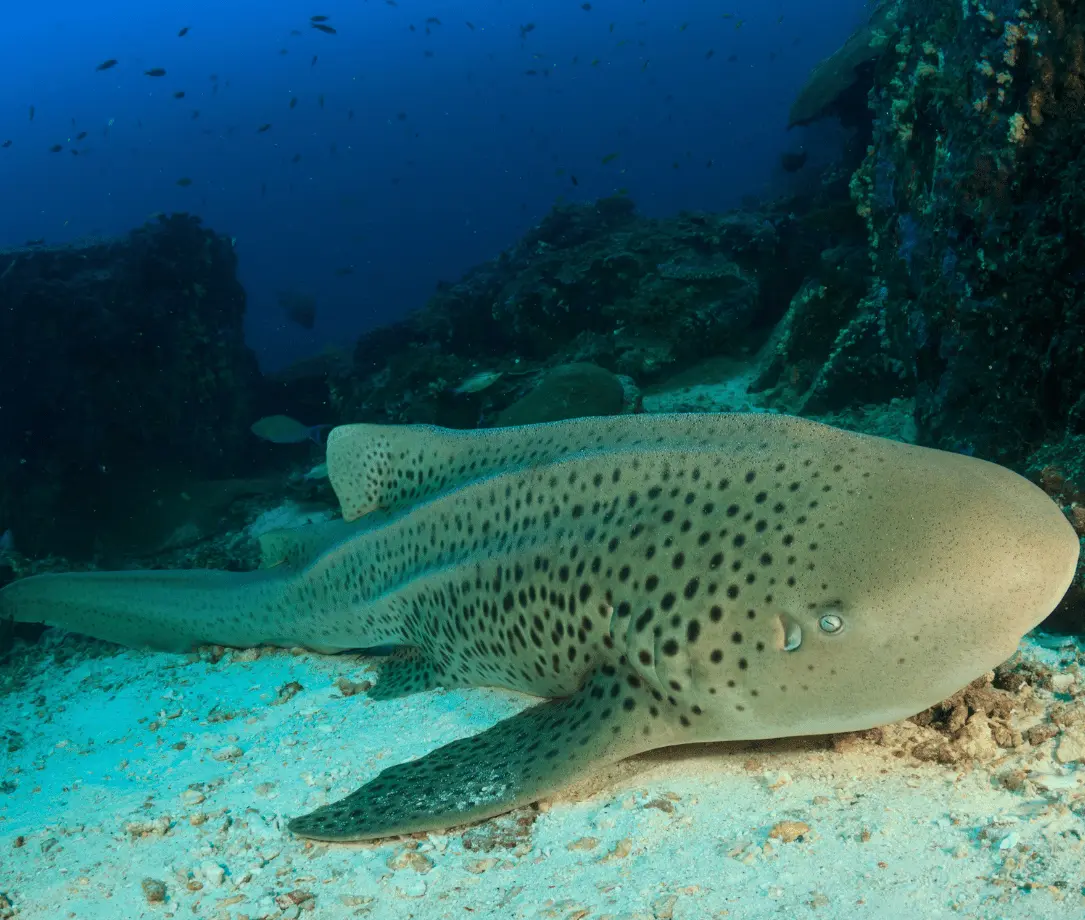
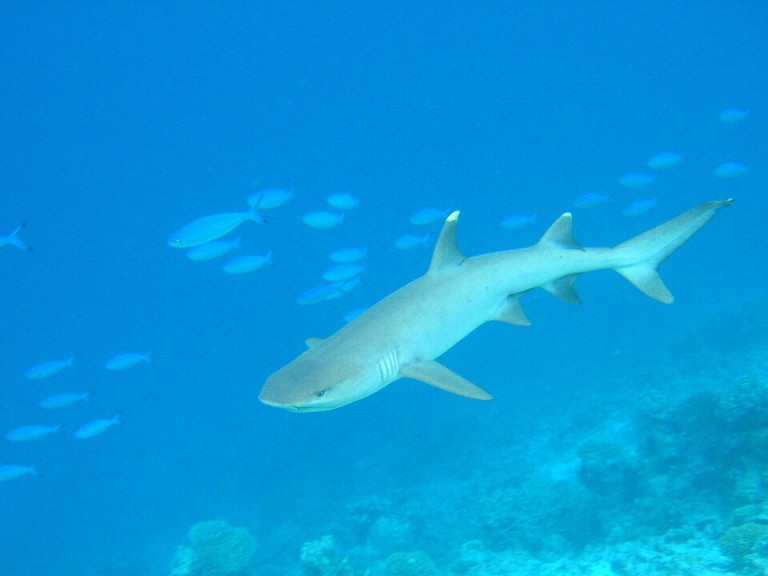
Drop deeper toward the sandy banks at 18-25 meters, and the stars of Pilot Reef await. Leopard sharks rest on the white sand—docile, beautiful, and utterly captivating. Nearby, marble rays lie partially buried, their patterns camouflaging against the seabed. On lucky days, young manta rays and white-tip reef sharks cruise past.

The 25-meter canyon strip running beneath the main reef shelters plenty of reef residents and works as a natural cleaning station where you can watch symbiotic relationships play out in real time.

Leopard shark resting at Pilot Reef Havelock
Suchit - Founder & RAID Scuba Instructor at Frogman Scuba Diving

Pilot Reef is one of those sites that never disappoints. The resident leopard sharks are almost always there, resting on the sand like they’re posing for photos. But what I love teaching here is observation—finding the scorpionfish hiding in plain sight, the octopus changing color behind a rock, the ghost pipefish among the coral. It’s a macro photographer’s dream. And that phantom bannerfish wall? I’ve dived here 100+ times and it still amazes me. Nowhere else in Havelock do they school like that.

Suchit Scuba Instructor & Founder, Frogman Scuba

Location & How to Get There

decorative divider
  • Geographic Location6 kilometers northeast of Havelock Island, near the shipping channel entrance Known as "North Pilot" on old topographical maps. GPS: 12.05500° N, 92.99000° E
  • Boat Journey10-15 minutes by speedboat from Havelock jetty or Beach No. 2 dive bases
  • Entry TypeGiant stride or backward roll from dive boat. Moored dive or drift dive with boat pickup.
  • Sea ConditionsLight to mild currents - manageable for beginners. Site benefits from regular exposure to easterly winds that keep the reef healthy.

Underwater Topography

📊 Depth Profile
5-8m
Shallow reef top—try dives and beginners
8-14m
Rocky Fortress—coral boulders, bannerfish wall
14-18m
Canyon Strip—swim-throughs, macro life
18-25m
Sandy Banks—leopard shark resting zone (AOW)
🗺️ Key Underwater Features
  • 🏰
    Rocky Fortress
    Large coral boulder formations creating natural amphitheatre—home to schooling bannerfish and reef fish
  • 🏜️
    Sandy Banks
    Open sandy areas at 18 to 25m where leopard sharks rest—the main attraction of Pilot Reef!
  • 🕳️
    Canyon Strip
    Narrow channels and swim-throughs between coral formations—excellent for macro photography
  • 🐟
    Phantom Bannerfish Wall
    Unique schooling phenomenon—massive bannerfish congregation found nowhere else in Havelock!
  • 📍
    Near Shipping Channel
    Named after ship pilots who navigate vessels—6km northeast of Havelock near the main channel

Marine Life: Sharks, Rays and Bannerfish

Resident leopard shark family + famous phantom bannerfish wall + exceptional macro diversity!

Signature Species

🦈
Leopard Sharks (Zebra)
Stegostoma fasciatum
High (Sandy Banks 18m+)
🐟
Phantom Bannerfish Wall
Heniochus diphreutes
Near Guaranteed
🦅
Marble Rays
Taeniura meyeni
High (Sandy Areas)

Macro Life Paradise

🐌
Nudibranchs
High (Multiple Species)
🦂
Scorpionfish
High (Camouflaged)
🐙
Octopus
Regular
🦀
Crustaceans
High (Crevices)
🦐
Cleaner Shrimp
High (Stations)
🐠
Frogfish
Regular (Lucky finds)

Why Pilot Reef is Special

🦈
Resident Leopard Shark Family
A family of docile leopard sharks (zebra sharks) regularly rest on the sandy banks at 18 to 25m—gentle giants that allow close approach for photos!
🐟
Phantom Bannerfish Wall
Unique to Pilot Reef—massive schooling bannerfish create a living wall phenomenon found nowhere else in Havelock. Almost guaranteed sighting!
📸
Macro Photography Heaven
Canyon strips and rocky crevices shelter exceptional nudibranch diversity, scorpionfish, octopus, and crustaceans—macro shooters love this site!
🦅
Marble Ray Encounters
Beautiful marbled rays frequent the sandy patches—often seen resting or gliding gracefully across the bottom.

Coral and Reef Structure

Pilot Reef features a diverse mix of coral boulder formations and sandy patches creating varied habitats. The Rocky Fortress section offers healthy hard coral coverage while the Canyon Strip shelters soft corals and sponges in its protected channels.

🪨
Coral Boulders
Large formations creating Rocky Fortress
🧠
Brain Corals
Scattered throughout reef sections
🌸
Soft Corals
Colorful coverage in canyon areas
🪭
Sea Fans
Gorgonians on reef edges
🧽
Sponges
Varied species in crevices
🏖️
Sandy Patches
Leopard shark resting zones

Best Time to Dive

Peak
December – April
  • Visibility: 30 to 40 meters!
  • Best leopard shark sightings
  • Calm seas, easy access
  • Peak bannerfish wall activity
Good
October – November
  • Visibility: 20 to 25m
  • Increased marine activity
  • Fewer crowds
  • Variable conditions
Avoid
June – September
  • Site exposed to easterly winds
  • Rougher surface conditions
  • Reduced visibility
  • Limited access days
🦈 Shark Tip
Leopard sharks are most reliably spotted December to April when visibility peaks at 30 to 40 meters. They rest on sandy banks at 18 to 25m—AOW divers get best access. Morning dives often yield better shark encounters before afternoon currents pick up. Only 10 to 15 minute boat ride from jetty makes this an easy add to any dive day!

Is Pilot Reef Right For You?

Perfect For

  • Try Divers (DSD): Shallow sections (5 to 8m) perfect for first underwater experience with real reef!
  • OW Divers: Main reef (8 to 18m) offers excellent variety—Rocky Fortress and bannerfish wall.
  • AOW Divers: Access sandy banks (18 to 25m) for leopard shark encounters—the star attraction!
  • Shark Enthusiasts: Resident leopard shark family—gentle and photogenic!
  • Macro Photographers: Canyon strips packed with nudibranchs, scorpionfish, crustaceans.
  • All Levels Welcome: Depth zones accommodate everyone from beginners to advanced.

Less Ideal For

  • Monsoon Season (Jun to Sep): Site exposed to easterly winds—avoid this period.
  • Non-AOW Shark Seekers: Leopard sharks at 18 to 25m—OW limited to 18m max.
  • Pelagic Hunters: Not a high-current drift site—calmer conditions prevail.
⚠️ Depth by Certification
Try divers explore shallow reef (5 to 8m) with instructor. OW divers access Rocky Fortress and bannerfish wall (8 to 18m). AOW certification unlocks sandy banks (18 to 25m) for leopard shark encounters. Only 6km from Havelock with 10 to 15 minute boat ride—one of the most accessible sites with shark potential!

Gallery

decorative divider

Frequently Asked Questions

decorative divider

What certification level do I need to dive Pilot Reef?

Pilot Reef is suitable for Open Water certified divers and above. Beginners can explore the shallow sections (8-12m) while Advanced divers can access deeper areas (18-25m) where leopard sharks are commonly found. Discover Scuba (try dive) experiences are also available under instructor supervision in the shallow zones.

When is the best time to dive Pilot Reef Havelock Island?

The best time to dive Pilot Reef is December to April, with peak visibility of 30-40 meters. Early morning dives (5:10 AM – 11:30 AM) offer the calmest conditions and best lighting. The site is often inaccessible during monsoon season (June-September) due to its eastern exposure to strong winds.

Will I see leopard sharks at Pilot Reef?

Pilot Reef has a resident family of leopard sharks (also called zebra sharks) frequently spotted resting on sandy banks, especially in deeper sections at 18-25m. Sightings are common year-round during dive season, making Pilot Reef one of the most reliable places to see sharks in Havelock. However, marine life sightings cannot be 100% guaranteed.

How far is Pilot Reef from Havelock Island?

Pilot Reef is located 6 kilometers northeast of Havelock Island, near the shipping channel entrance. It’s a quick 10-15 minute speedboat ride from the main ferry jetty or Beach No. 2 (Govind Nagar) dive centers. The site is boat-dive only with no shore access.

Is Pilot Reef suitable for underwater photography?

Yes! Pilot Reef is excellent for both macro and wide-angle photography. The site has great macro life including nudibranchs, crustaceans, camouflaged scorpionfish and octopus. You also get larger subjects like leopard sharks, marble rays, and the phantom bannerfish wall. Peak season visibility of 30-40 meters provides ideal photography conditions.

Ready to Meet the Leopard Sharks?

Dive into Pilot Reef’s underwater fortress. Leopard sharks, phantom bannerfish, and macro finds await.

  • RAID Certified Center
  • Beginner-Friendly Site
  • Resident Leopard Sharks