Havelock Island 1923 Cargo Vessel 🚢 Historic Shipwreck

SS Inchkeith: Dive Into
70 Years of History

Difficulty Intermediate OW Certified+ / Wreck
Max Depth 18-22m Historic Wreck Dive
Visibility 4-12m Eerie Atmosphere
Access Boat 45-60 min from Jetty

What Makes SS Inchkeith Special

decorative divider

The SS Inchkeith is the Andaman’s standout wreck dive, a 1923 British cargo vessel that sank in March 1955 near Duncan Island. Over the decades, it has become a thriving artificial reef at 18-22 meters. The steel hull is covered in fluorescent rust and colorful anemones, and the macro life is everywhere.

The lower visibility (4-12m) is actually part of the experience. It gives the wreck an eerie, mysterious feel that makes this dive hard to forget. The massive bronze propeller, ghost pipefish, and resident blind giant pufferfish await.

  • Historic 1923 Shipwreck111m cargo vessel with intact bow, stern, propeller, and cargo holds—underwater time capsule
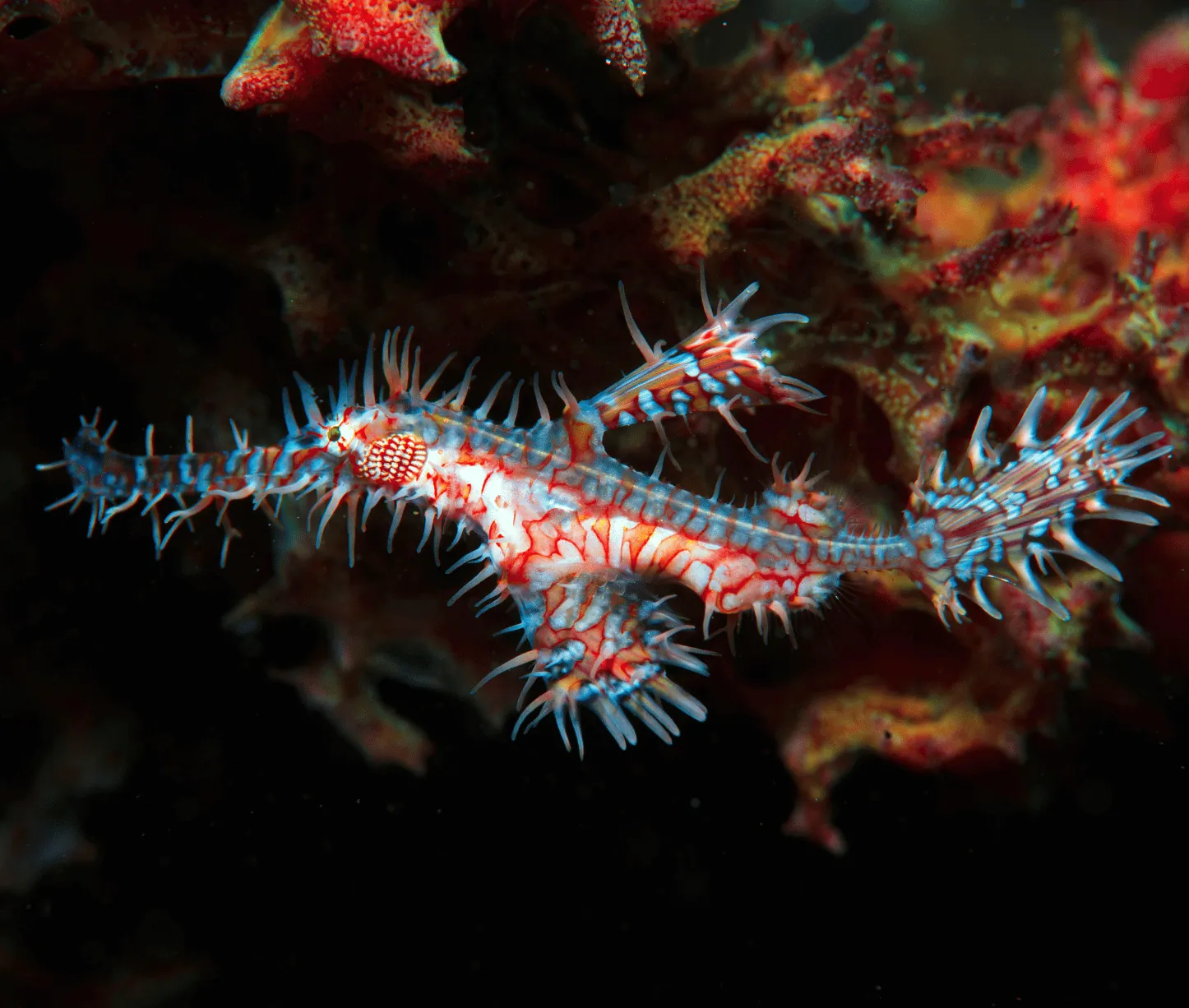
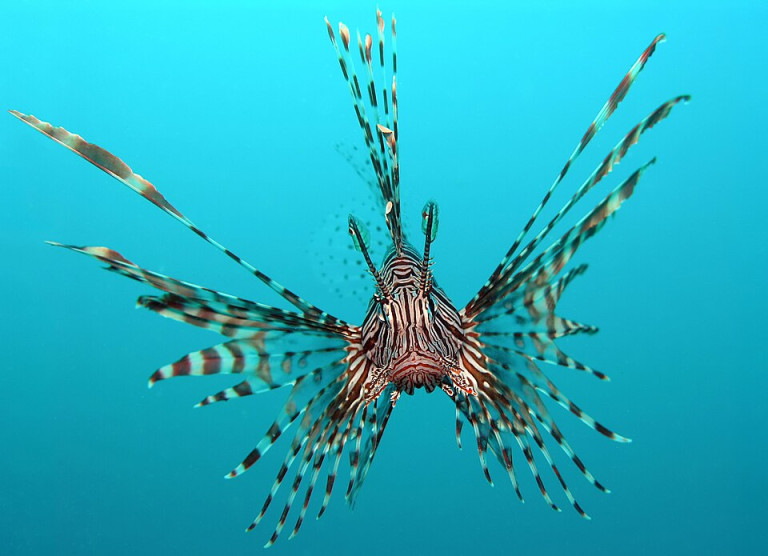
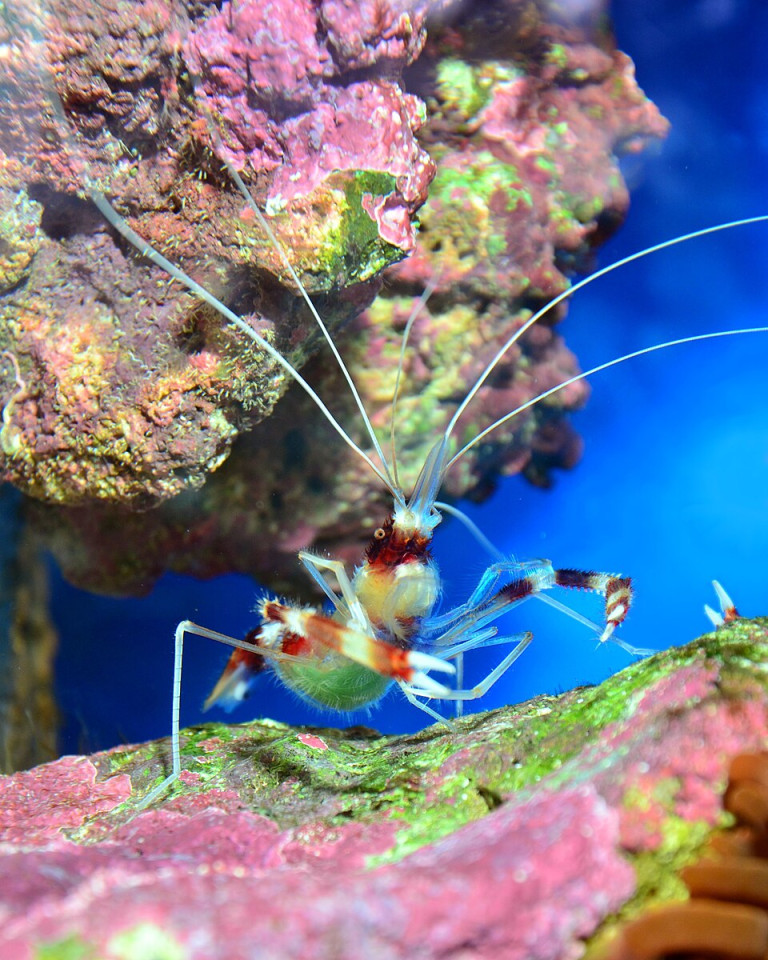
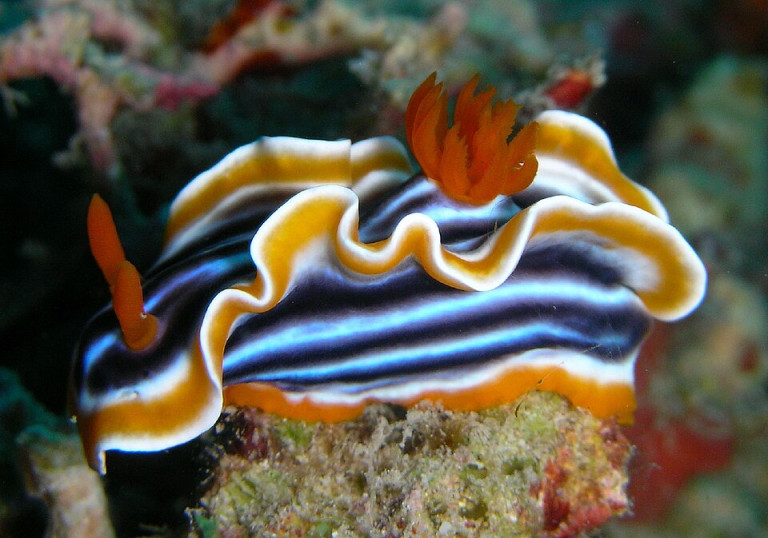
  • Macro Photography ParadiseGhost pipefish, nudibranchs, scorpionfish, cleaner shrimp—incredible textures and subjects
  • Eerie AtmosphereLower visibility creates mysterious ambiance—unlike any clear-water reef dive
  • Artificial Reef Ecosystem70+ years of colonization—corals, anemones, and fish thrive on the wreck structure
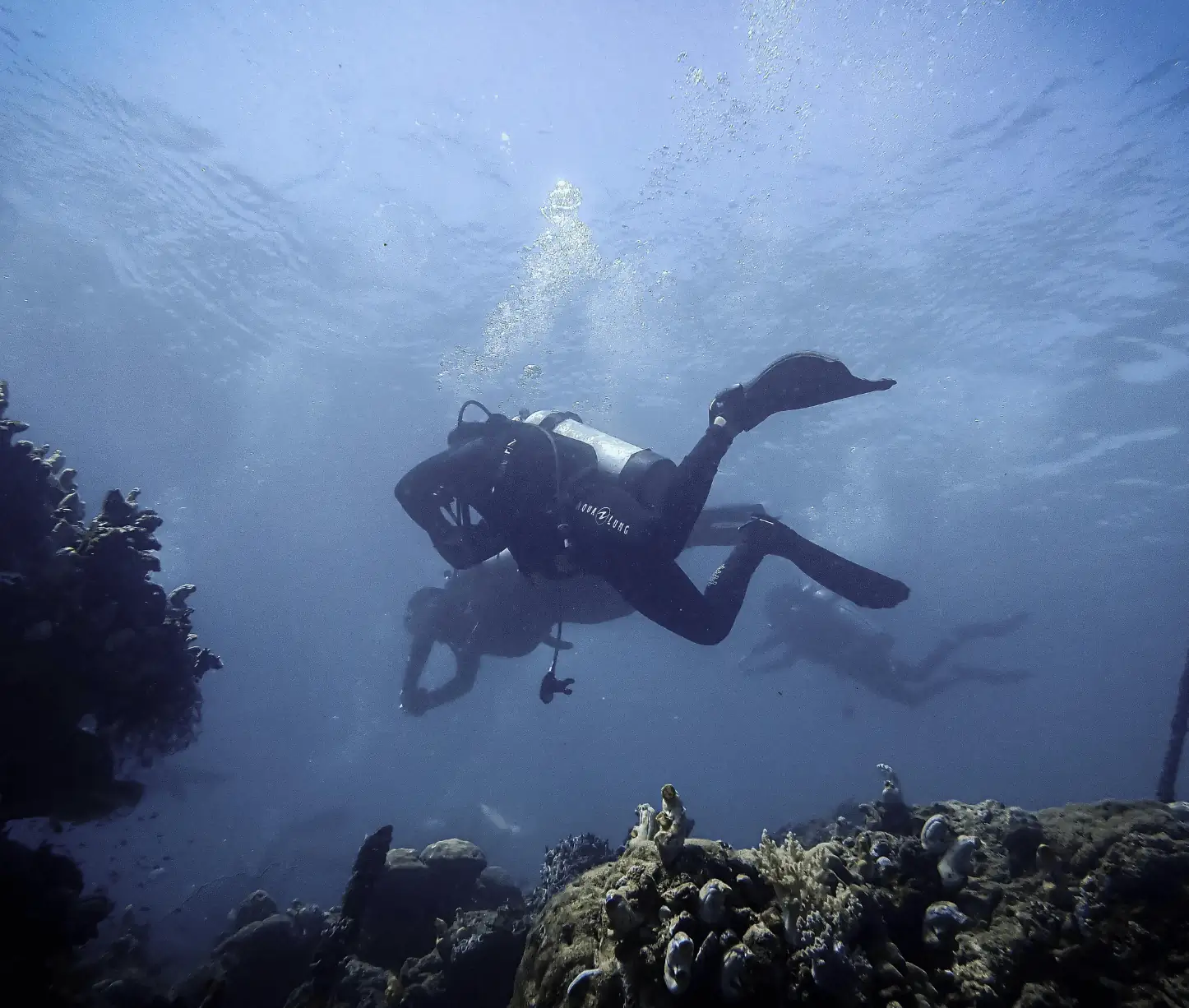
diver exploring the haunting bow section

The Dive Experience: Underwater Time Capsule

decorative divider

After 45-60 minutes by speedboat, you descend into history. The tilted bow appears first, listing heavily to starboard at just 5-10 meters. Corroded metal is covered in fluorescent rust, algae, and colorful anemones. Coal pieces from the 1955 voyage still scatter the seabed.

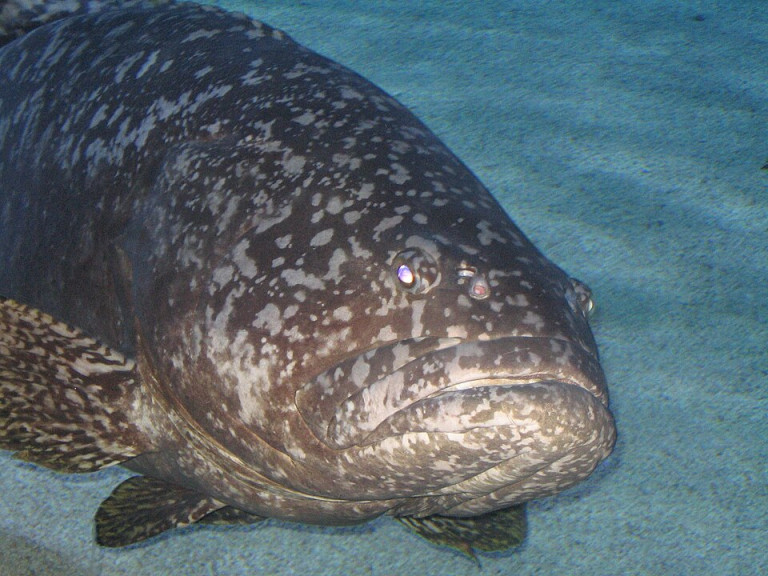
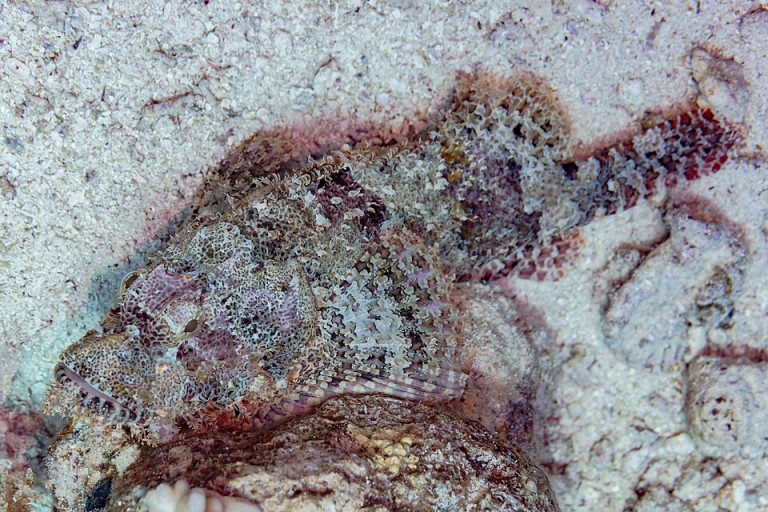
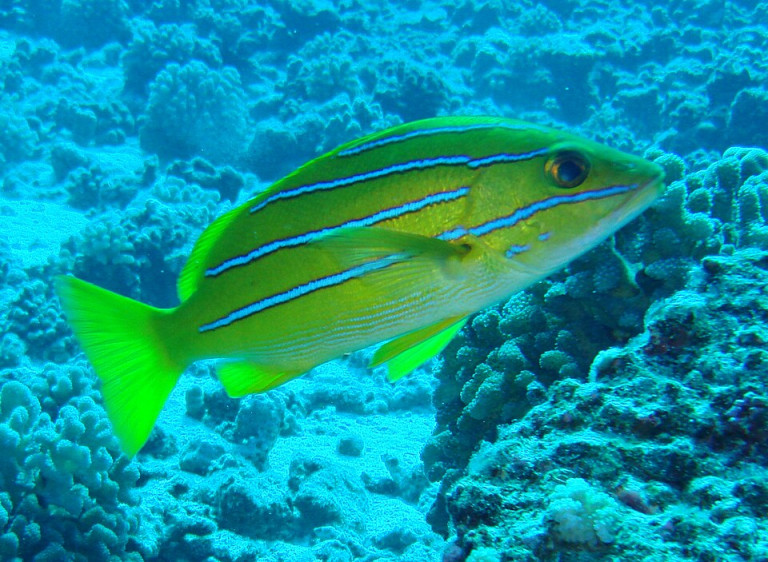
Swimming aft, the stern section sits upright at 18 meters—the heart of the dive. The massive bronze propeller rises from the sandy bottom and works as a cleaning station where groupers and snappers gather. Macro photographers love it here. ghost pipefish hide among feather stars, nudibranchs crawl across corroded surfaces, scorpionfish camouflage against rust.

The famous resident blind giant pufferfish has become a site celebrity, and has become a bit of a local celebrity. Every surface has something living on it. This is what 70 years of nature reclaiming a ship looks like.

Suchit - Founder & RAID Scuba Instructor at Frogman Scuba Diving

SS Inchkeith is the dive that changes how people think about wreck diving. Yes, visibility is lower, but that is the point. The mysterious atmosphere, the textures, the macro life exploding from every surface… it’s unlike anything else in the Andamans. For photographers, this is the ultimate macro playground. For history buffs, it’s a 70-year-old time capsule. The propeller alone is worth the boat ride.

Suchit Scuba Instructor & Founder, Frogman Scuba

Location & How to Get There

decorative divider
  • Geographic Location20km west of Havelock, near Duncan Island inlet. GPS: 12.08000° N, 92.92000° E
  • Boat Time45-60 minutes by speedboat; early morning departures
  • Entry TypeBackward roll or giant stride; boat exit via ladder
  • Sea ConditionsMild to moderate currents (0.5-1.5 knots); minimal surge at depth

Wreck Structure & Topography

📊 Depth Profile
0-5m
Descent to bow section
5-10m
Bow area—tilted dramatically to starboard
10-18m
Mid-section—cargo holds visible
18-22m
Stern & propeller—main attraction zone
🗺️ Key Wreck Features
  • 🚢
    Historic 1923 Shipwreck
    111m cargo vessel—steel-hulled, steam-powered, sank March 2, 1955 near Duncan Island
  • 🚢
    Tilted Bow Section
    Dramatically listing to starboard at 5-10m depth, covered in fluorescent rust and anemones
  • ⚙️
    Massive Bronze Propeller
    Site's iconic feature at 18m—cleaning station where groupers and snappers congregate
  • 📦
    Cargo Holds & Chambers
    Visible hatches (external viewing only)—coal pieces from 1955 voyage still scatter seabed
  • 🌫️
    Eerie Atmosphere
    Lower visibility (4-12m) creates mysterious, haunting ambiance—signature characteristic!

Marine Life: Macro Paradise

70+ years of colonization—wreck transformed into thriving artificial reef ecosystem

Signature Species (Macro Focus)

🐠
Ghost Pipefish
Solenostomus spp.
Regular
🐡
Giant Groupers
Epinephelus lanceolatus
Near Guaranteed
🐟
Scorpionfish
Scorpaenidae
Regular

Wreck Inhabitants

🐌
Nudibranchs
High
🦐
Cleaner Shrimp
Guaranteed
🦞
Lobsters
Regular
🐍
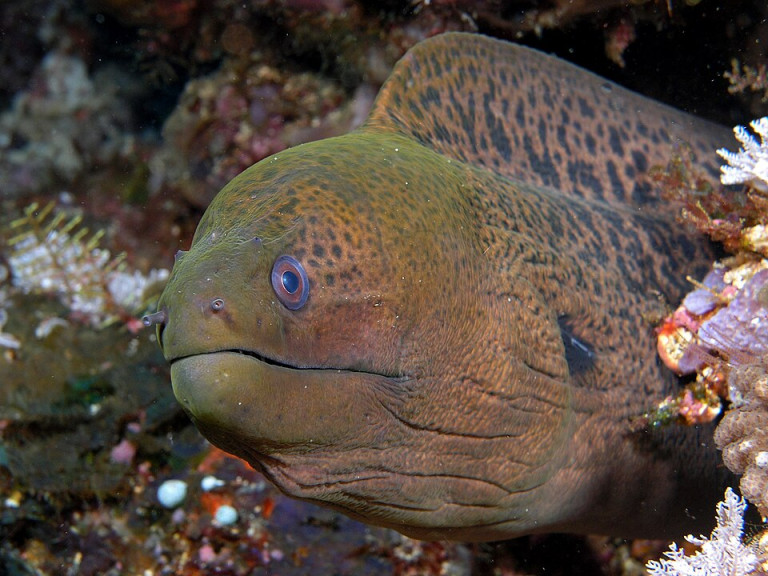
Moray Eels
High
🐡
Resident Blind Pufferfish
Site Celebrity!
🐟
Barracuda
Regular

Why SS Inchkeith is Macro Photography Paradise

📸
Ghost Pipefish Among Feather Stars
Signature macro subject! Ornate and regular varieties hide among feather stars—photographer's dream with incredible textures
🎨
Fluorescent Rust & Colorful Anemones
Corroded metal surfaces covered in vibrant colors create otherworldly compositions
🕵️
Camouflage Masters
Scorpionfish blend perfectly with corroded metal—spot the challenge! Incredible detail shots
🐡
Famous Resident Blind Giant Pufferfish
Site celebrity adding mystique to the wreck—unique behavioral subject

The Shipwreck: Historical Details

Built in 1923 by John Priestman & Co. in Sunderland, UK, the SS Inchkeith was a steel-hulled, steam-powered cargo vessel that sank on March 2, 1955, after striking an underwater rock near Duncan Island. After 70+ years on the seafloor, it has transformed into a thriving artificial reef ecosystem.

🚢
Ship Specifications
111m long × 16m wide × 8m tall—British cargo vessel
📅
Built 1923, Sank 1955
Struck underwater rock carrying coal and timber (Calcutta to Bombay)
⚙️
Massive Propeller
Bronze/steel propeller—site's iconic feature and cleaning station
🪸
Anemones & Corals
Colorful coverage on all wreck surfaces after 70+ years
🚽
Famous "Broken Toilet"
Moss-covered fixture near bow—quirky landmark!
🪨
Coal Pieces
Original 1955 cargo still scattered on seabed—time capsule

Best Time to Dive

Peak
November – February
  • Visibility: 15-30m (best for wreck)
  • Calm seas, stable conditions
  • Peak macro critter density
  • Optimal wreck photography
Excellent
October & March – May
  • Visibility: 10-20m (good)
  • Post-monsoon fish biomass
  • Fewer crowds, better value
  • Good macro opportunities
Variable
June – September
  • Visibility: 4-8m
  • Monsoon rains, rough seas
  • Site may be skipped some days
  • Unpredictable conditions
📸 Photography Tip
November-February offers best visibility (15-30m) for wide-angle wreck shots. However, the site's signature eerie atmosphere with lower visibility (4-12m typical) creates mysterious, otherworldly macro compositions—embrace the unique ambiance!

Is SS Inchkeith Right For You?

Perfect For

  • Certified OW+ Divers: 18m max depth (external viewing only).
  • Wreck Diving Enthusiasts: Historic 70+ year old shipwreck.
  • Macro Photographers: Incredible subjects—ghost pipefish, nudibranchs, textures!
  • History & Maritime Buffs: 1923 British cargo vessel, underwater time capsule.
  • Those Comfortable in Low-Visibility: Eerie atmosphere is the signature!
  • Wreck Specialty Students: Perfect training environment.

NOT Suitable For

  • Non-Certified / Beginners: OW certification required minimum.
  • Claustrophobic Divers: Wreck environment may feel confined.
  • Requiring Crystal-Clear Visibility: 4-12m typical—eerie atmosphere.
  • Wreck Penetration: External exploration only for recreational divers.
⚠️ Wreck Dive Guidelines
External exploration only for recreational divers. No penetration into cargo holds/compartments. RAID Wreck Diver specialty recommended. Avoid fin kicks near surfaces (silt disturbance). The lower visibility (4-12m) isn't a limitation—it's the site's defining characteristic creating an eerie, mysterious atmosphere.

Gallery

decorative divider

Frequently Asked Questions

decorative divider

What certification is required for SS Inchkeith?

RAID Open Water Diver or equivalent (18m depth certified). RAID Wreck Diver specialty recommended but not mandatory for external exploration.

Why is visibility lower at SS Inchkeith?

The wreck sits on sandy bottom; silt suspension from tides and 70+ years of organic accumulation reduces clarity to 4-12m. This eerie atmosphere is actually what makes the dive special, not a downside.

Can I go inside the SS Inchkeith wreck?

No penetration for recreational divers. You explore the outside: bow, stern, and propeller viewing. Cargo holds are restricted. Advanced wreck-certified divers may discuss options with operators.

When is the best time to dive SS Inchkeith?

October-May offers best conditions. November-February is peak with optimal visibility (15-30m). September and March-May are excellent shoulder seasons with fewer crowds.

Ready to Explore the SS Inchkeith?

70-year-old shipwreck, macro photography paradise, and underwater history await!

  • RAID Certified Center
  • Wreck Specialists
  • Macro Photography Guides