Havelock Island 8-36m Depth Rare Black Coral

White House Rock: Black Coral
& Epic Fish Biomass

Difficulty Advanced AOW Recommended
Max Depth 8-36m Dual Topography
Visibility 20-40m Best: Dec - May
Access Boat 30-45 min from Jetty

What Makes White House Rock Special

decorative divider

White House Rock is a world-class deep-dive destination featuring distinctive black coral formations with brilliant white polyps—rarely seen anywhere in Southeast Asia. Located 19km east of Havelock, this site offers dual topography: a steep drop-off descending to 36 meters and a gradual coral-rich slope, creating spectacular visual variety.

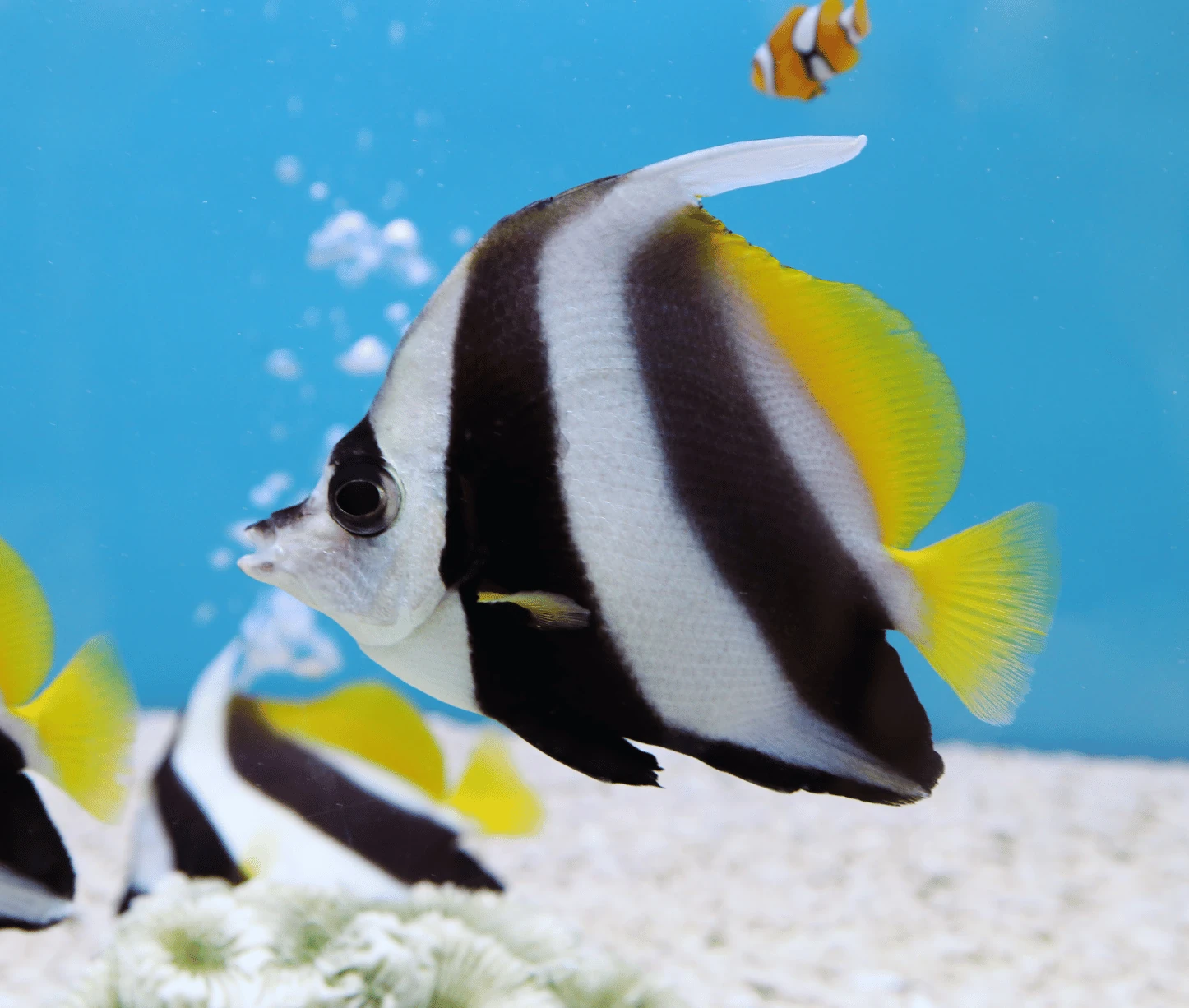
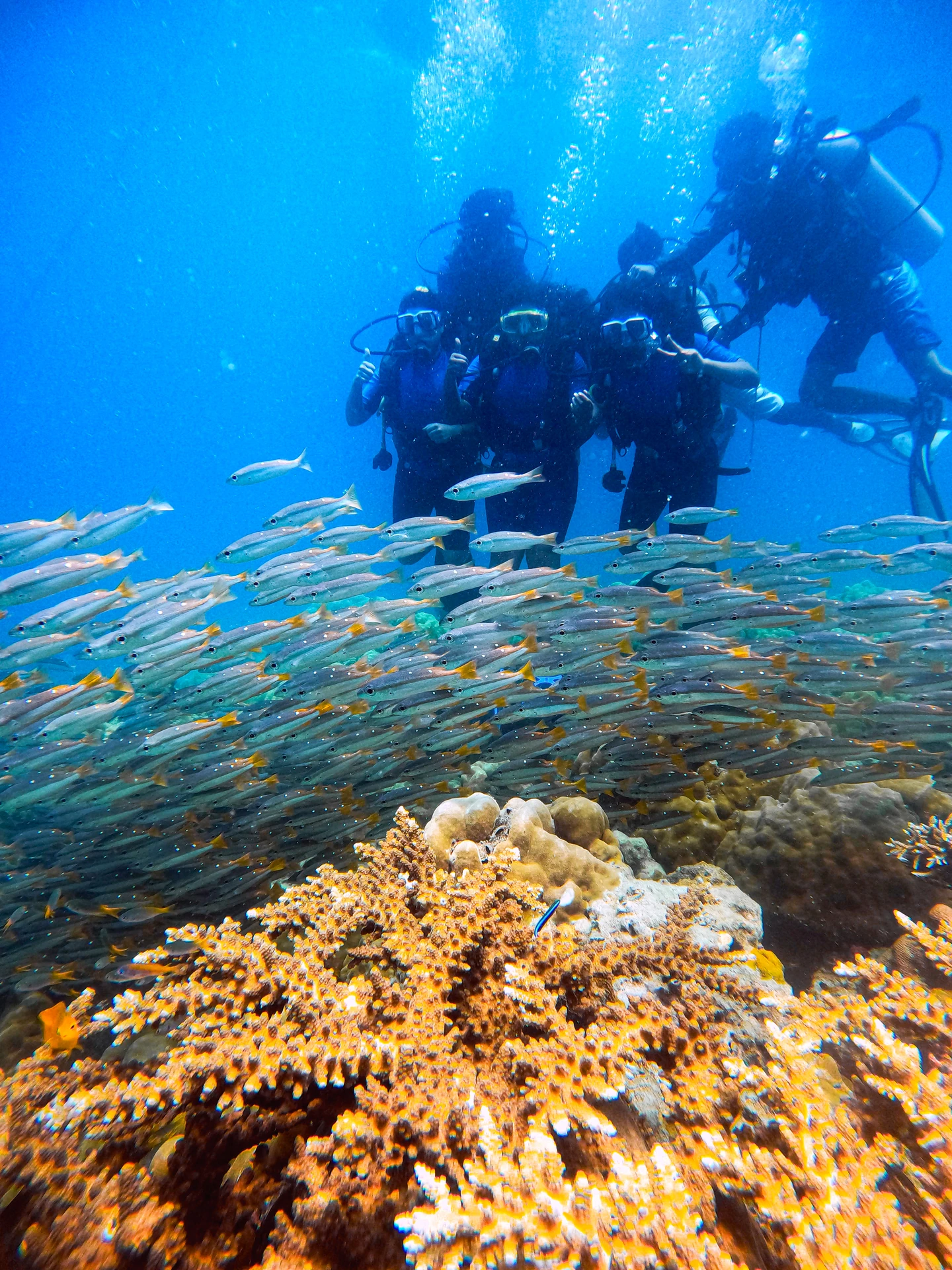
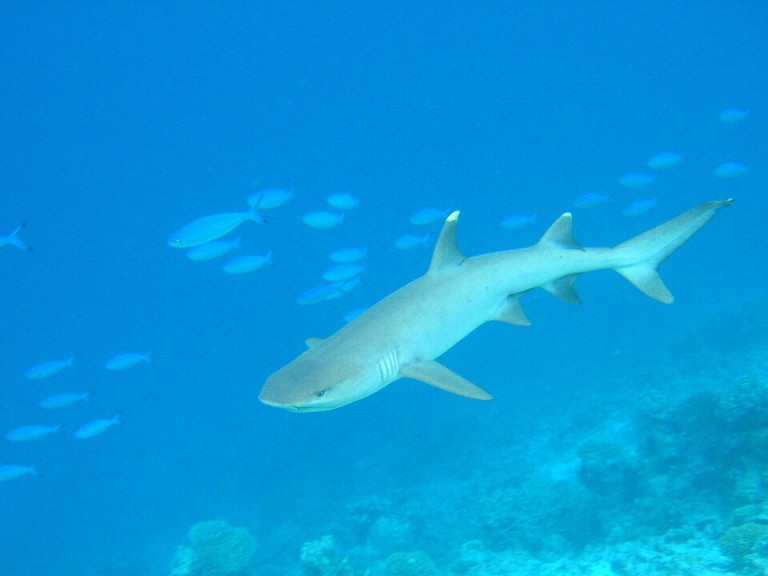
Divers frequently report being surrounded by dense schools of fish—bannerfish, fusiliers, trevallies swirling in massive concentrations. Add regular turtle encounters, occasional sharks, and pristine visibility up to 40 meters, and you have one of the Andamans’ premier advanced dive sites.

  • Rare Black CoralSignature black coral with luminous white polyps—decades old, rarely seen in Southeast Asia
  • Incredible Fish BiomassDense schools of bannerfish, fusiliers, and trevallies in massive swirling concentrations
  • Dual TopographySteep wall drop-off PLUS gradual coral garden slope—two dives in one!
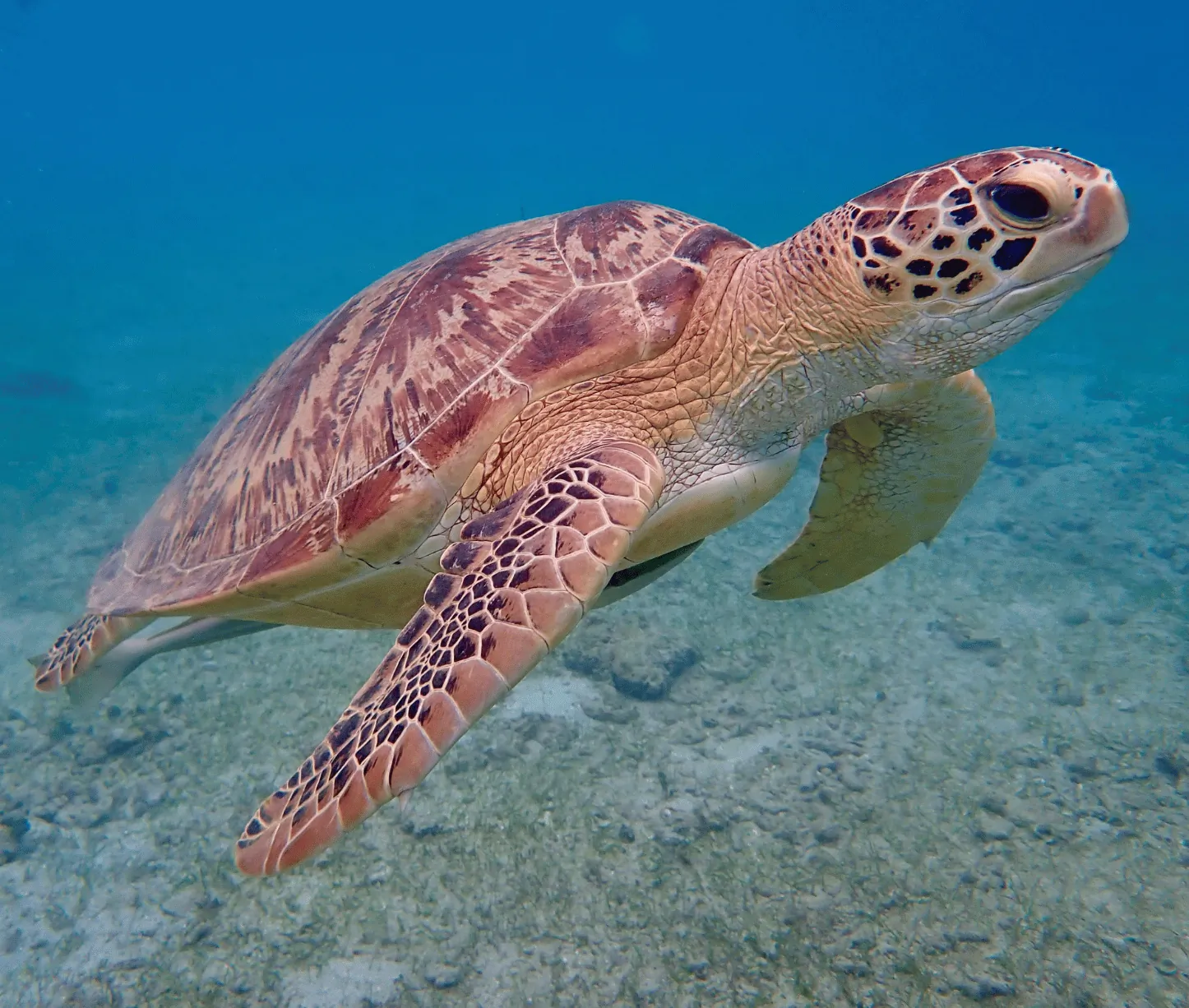
  • Turtles & SharksHawksbill and Green turtles, occasional Lemon and Leopard sharks
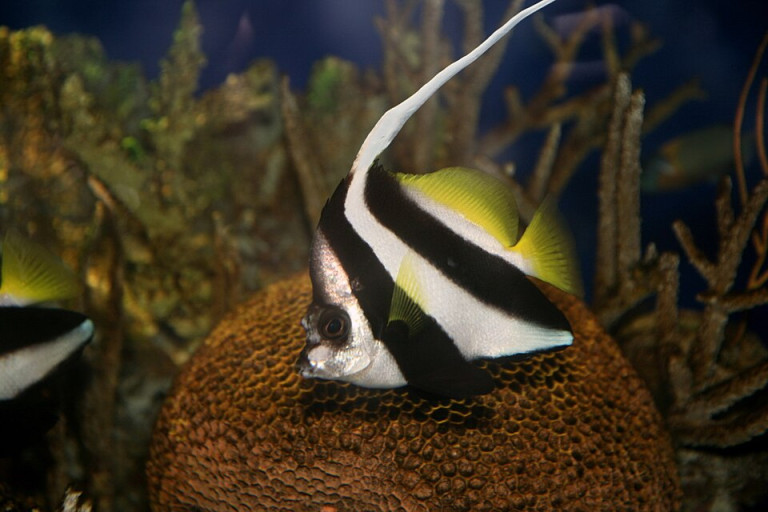
Dense bannerfish school at White House Rock

The Dive Experience: Two Worlds in One

decorative divider

After 30-45 minutes by dive boat, you descend onto the reef at 8-10 meters. The first impression is the fish—everywhere. Bannerfish swirl in enormous schools. Fusiliers stream past in dense ribbons. This site has some of the highest fish biomass in the Andamans.

Swimming across the plateau (12-18m), you encounter the coral garden—staghorn, mushroom, brain corals, and gorgonian fans. Then the steep wall appears. The bottom drops away to 36 meters. Soft corals, sea fans, and the site’s namesake black coral with white polyps emerge from the shadowy depths below.

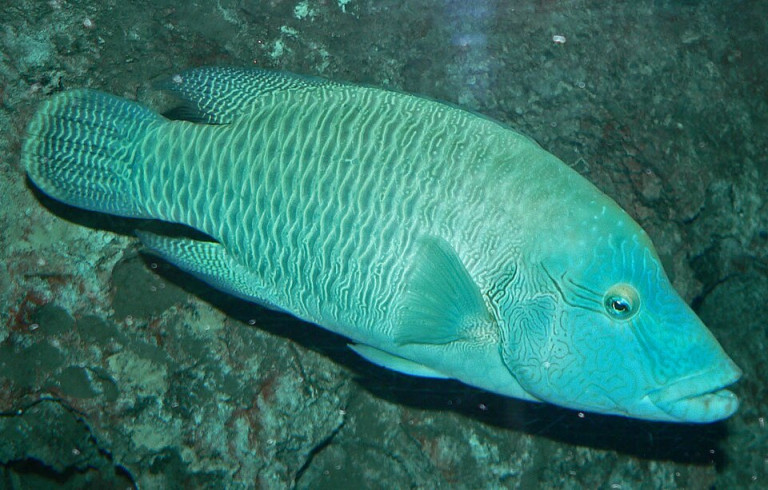
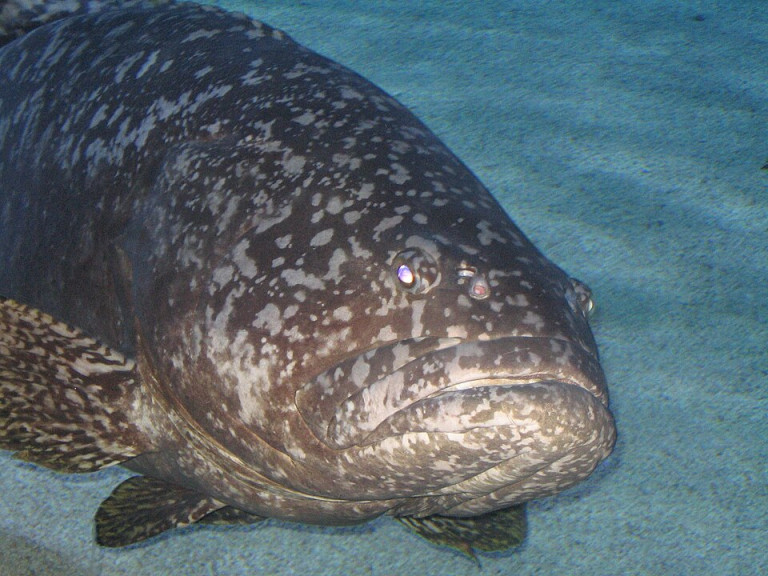
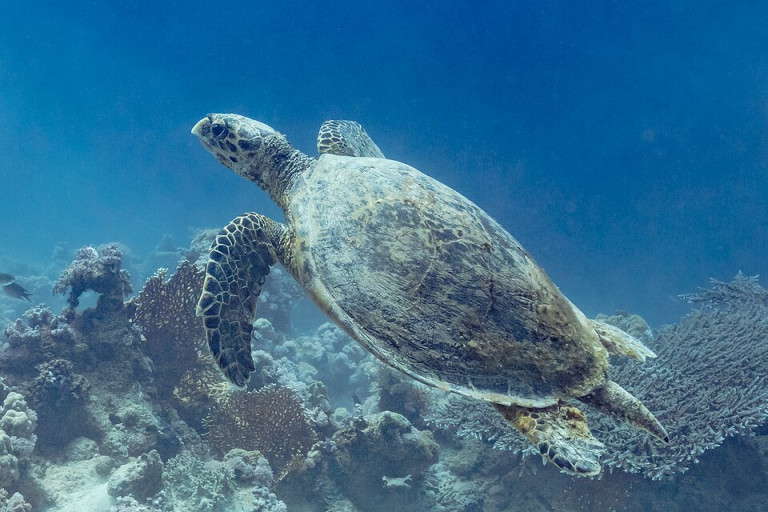
Hawksbill turtles graze on the reef. Napoleon wrasse and giant groupers patrol the cleaning stations. On lucky days, Lemon sharks or Leopard sharks cruise the blue water beyond the wall. Garden eels carpet the sandy plateau at 35m—an advanced detour for experienced divers.

Hawksbill turtle grazing
Suchit - Founder & RAID Scuba Instructor at Frogman Scuba Diving

White House Rock is what I recommend for Advanced divers who want the full Andaman deep-dive experience. The black coral with white polyps is genuinely rare and you will not find this formation anywhere else in the region. But what keeps divers coming back is the fish density. It feels like swimming through an aquarium. Turtles, occasional sharks, 30+ meter visibility. This is the kind of diving people travel for. Works well for Advanced training dives or experienced fun divers.
Suchit Scuba Instructor & Founder, Frogman Scuba

Location & How to Get There

decorative divider
  • Geographic Location19km east-northeast of Havelock, in open water beyond coastal reef line. GPS: 11.96000° N, 92.78000° E
  • Boat Time30-45 minutes by motorized dive boat from Havelock jetty
  • Entry TypeGiant stride entry; guided line descent standard
  • Sea ConditionsMild currents (0.3-0.8 knots); minimal surge at working depths

Underwater Topography

📊 Depth Profile
0-8m
Descent to reef top
8-18m
Plateau—coral gardens, high fish biomass
18-28m
Wall section—black coral zone begins
28-36m
Deep drop-off—garden eels, rare black coral
🗺️ Key Underwater Features
  • 🪸
    Rare Black Coral with White Polyps
    Signature black coral (Antipatharia) found at 20-35m—decades old, rarely seen in Southeast Asia!
  • 🏔️
    Dual Topography
    Steep wall drop-off PLUS gradual coral garden slope—two dives in one site!
  • 🌸
    Coral Garden Plateau
    12-18m zone with staghorn, mushroom, brain corals, and gorgonian fans
  • 🌾
    Garden Eel Carpets
    Sandy plateau at 35m—colonies of garden eels create living carpet
  • 💨
    Mild Currents
    0.3-0.8 knots—gentle flow, minimal surge at working depths

Marine Life: High Biomass Paradise

Dense fish schools + endangered turtles + occasional sharks + Napoleon wrasse!

Signature Species

🐢
Hawksbill & Green Turtles
Eretmochelys imbricata / Chelonia mydas
Regular
🦈
Lemon & Leopard Sharks
Negaprion brevirostris / Stegostoma fasciatum
Occasional
🐠
Napoleon Wrasse & Groupers
Cheilinus undulatus
Regular

Schooling Fish (High Biomass)

🐟
Bannerfish Schools
Guaranteed—Enormous!
🐟
Fusiliers
Guaranteed
🐟
Trevally & Jacks
High
🐟
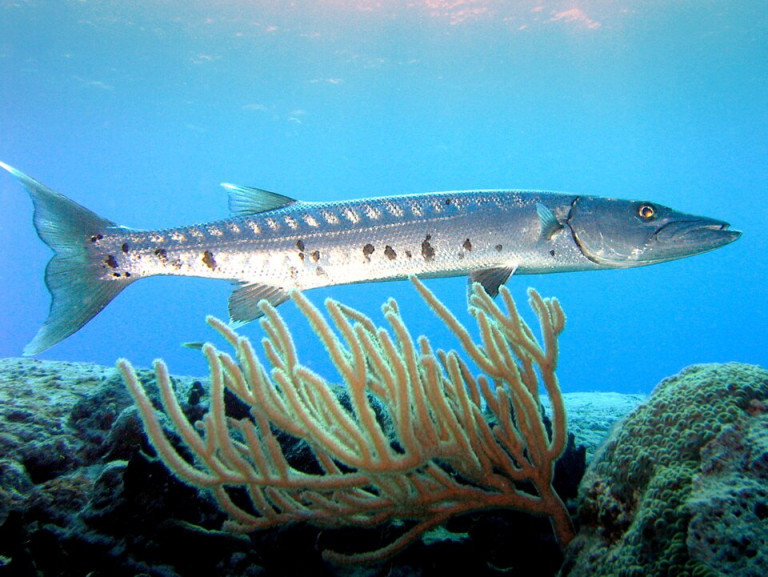
Barracuda
High
🐟
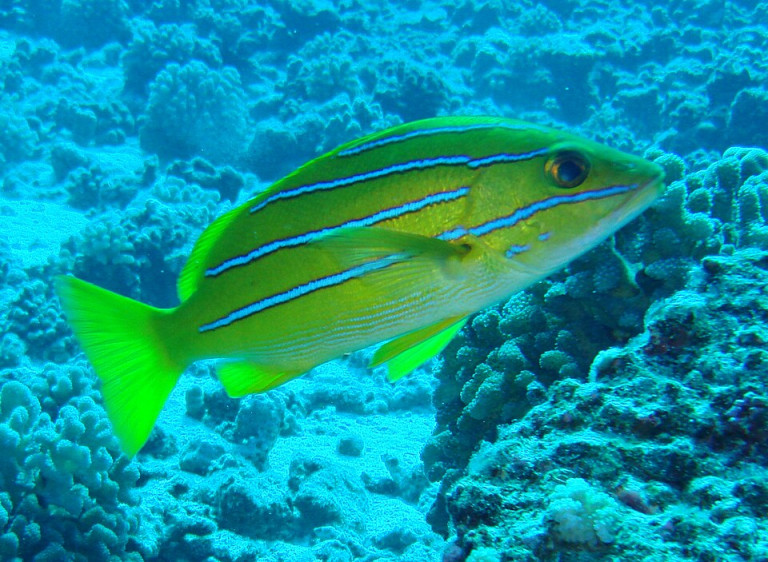
Snappers
Guaranteed
🌾
Garden Eels
Guaranteed (35m)

Why White House Rock Has Incredible Fish Biomass

🐢
Endangered Turtles (Regular Sightings)
Both Hawksbill and Green turtles frequent this site—grazing on reef or resting on ledges. Maintain 1.5m distance for ethical observation
🦈
Occasional Shark Encounters
Lemon and Leopard sharks cruise the blue water beyond the wall. Non-aggressive, usually shy—lucky encounters create unforgettable moments!
🐟
Dense Swirling Fish Schools
Bannerfish swirl in enormous schools. Fusiliers stream past in dense ribbons. Some of the highest fish biomass in the Andamans—like swimming through an aquarium!
🧽
Apex Predators Indicate Healthy Ecosystem
Napoleon wrasse and giant groupers patrol cleaning stations regularly—their presence confirms pristine reef health

The Famous Black Coral

The site's namesake black coral (Antipatharia) with luminous white polyps is one of the rarest coral formations in Southeast Asia. These slow-growing corals add just millimeters per year—meaning the colonies you see today are likely decades to over a century old.

🪸
Black Coral with White Polyps
Signature species at 20-35m—striking high-contrast, decades old, NO TOUCH!
🪭
Gorgonian Sea Fans
Beautiful formations on wall sections
🪢
Whip Corals
Extending from deeper sections
🌿
Staghorn Coral (Acropora)
Coral garden on plateau
🍄
Mushroom & Brain Corals
Valley formations on reef
🫙
Soft Corals & Barrel Sponges
Various colorful species throughout

Best Time to Dive

Peak
December – May
  • Visibility: 20-40 meters
  • Calm seas, stable conditions
  • March-May often peaks at 40m!
  • Best for black coral photography
Excellent
September – November
  • Post-monsoon fish biomass
  • Visibility: 15-30m
  • Fewer crowds, great value
  • Excellent diving conditions
Variable
June – August
  • Monsoon conditions
  • Visibility: 10-25m (variable)
  • Access not guaranteed daily
  • Weather dependent
🪸 Black Coral Tip
December-May offers peak visibility (20-40m) for photographing the rare black coral with white polyps. March-May often reaches 40m+ visibility—perfect for capturing the striking high-contrast formations at depth. Remember: photography only, no touching!

Is White House Rock Right For You?

Perfect For

  • Advanced Open Water Certified (AOW): Strongly recommended for full site access.
  • Deep Specialty Divers: 30-36m sections require deep dive training.
  • Experienced OW Divers (50+ dives): Shallow sections accessible at operator discretion.
  • Underwater Photographers: Wide-angle fish schools, macro black coral opportunities!
  • Fish & Coral Enthusiasts: Highest biomass + rare black coral formations.
  • Bucket List Seekers: World-class deep-dive destination in the Andamans.

NOT Suitable For

  • First-Time Divers / Discover Scuba: 36m depth exceeds training limits.
  • Non-Swimmers: Certification required—no try scuba.
  • Low-Experience OW Divers: <50 dives not recommended for deep sections.
  • Uncomfortable with Depth: Deep drop-off to 36m requires confidence.
⚠️ Experience Required
36m depth requires excellent buoyancy, depth monitoring, and gas management. Advanced Open Water strongly recommended minimum. Deep sections involve narcosis awareness. The dual topography (steep wall + gradual slope) allows operators to tailor depth based on certification—shallow coral gardens for experienced OW, deep black coral zones for AOW+.

Gallery

decorative divider

Frequently Asked Questions

decorative divider

Is White House Rock suitable for beginners?

No—depth (up to 36m) and conditions exceed beginner training limits. Advanced Open Water (AOW) strongly recommended. Experienced OW divers (50+ dives) may be taken to shallow sections at operator discretion.

What marine animals can I see at White House Rock?

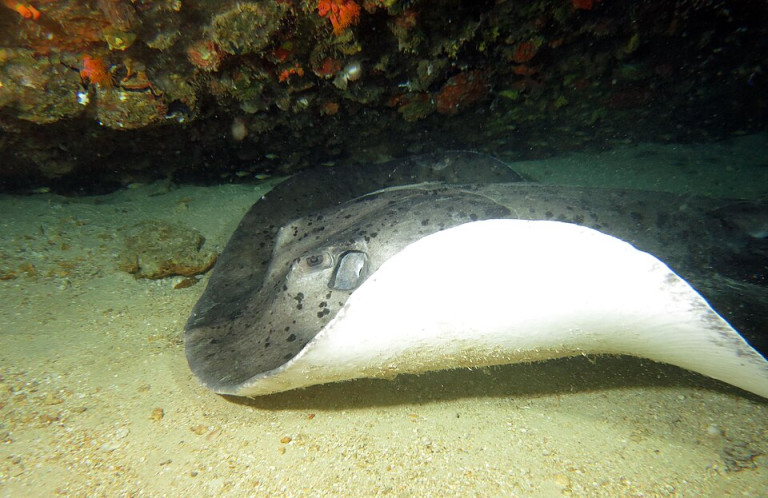
Expect dense schools of bannerfish, fusiliers, and trevallies. Hawksbill and Green turtles are regular. Lemon and Leopard sharks are occasional. Napoleon wrasse, groupers, rays, garden eels, and incredible macro life round out the diversity.

What is special about the black coral here?

The black coral with white polyps is extremely rare in Southeast Asia. These slow-growing corals (millimeters per year) mean colonies are decades to 100+ years old. The striking contrast created the site’s “White House” name. Photography only—no touching!

When is the best time to dive White House Rock?

December-May offers peak conditions (20-40m visibility, calm seas). March-May often peaks at 40m+. September-November is an excellent secondary season with high fish biomass and fewer crowds.

Ready for White House Rock?

Rare black coral, incredible fish density, turtles & sharks await!

  • RAID Certified Center
  • Advanced Specialists
  • Deep Dive Experts