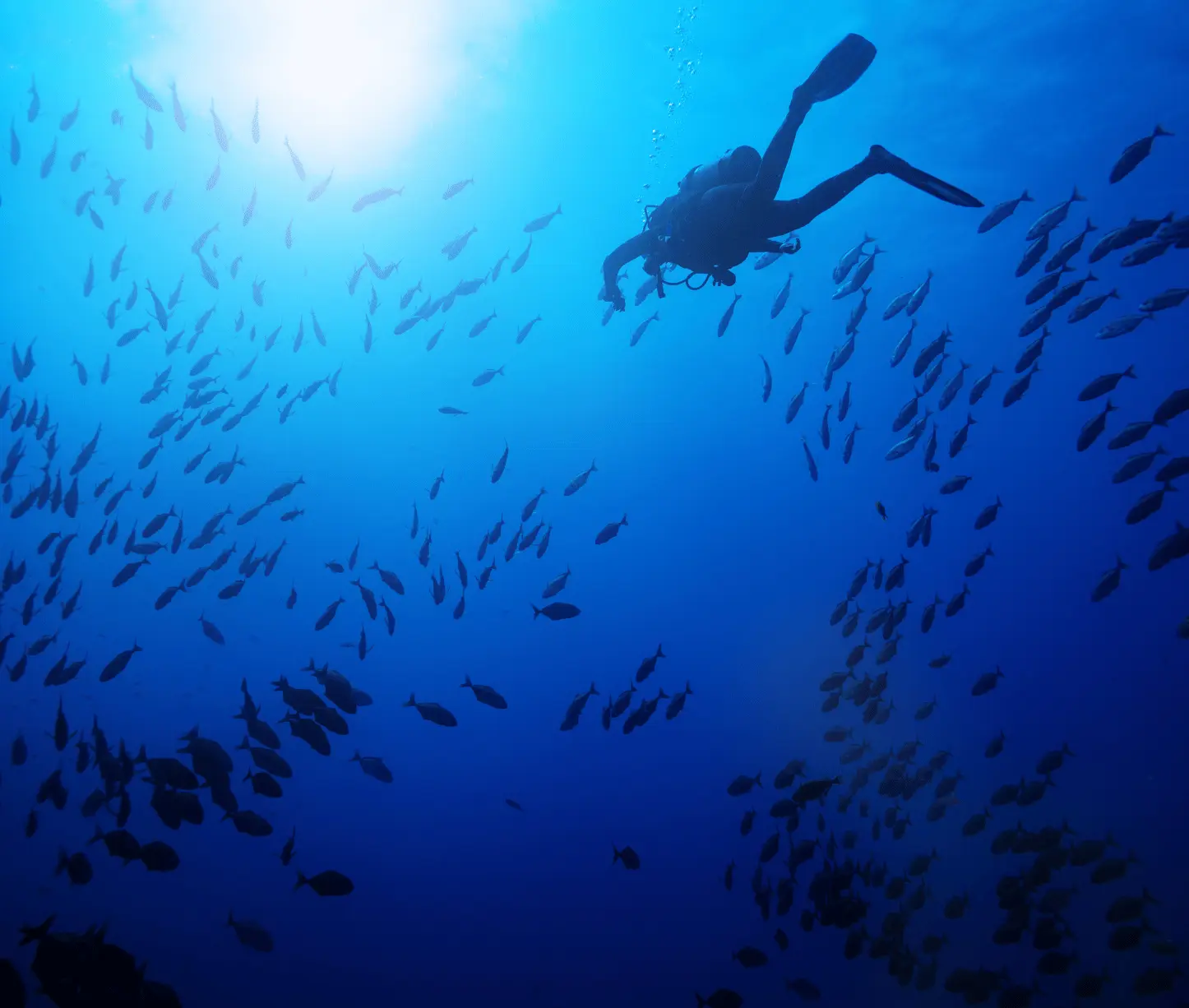
Havelock Island All Skill Levels 🌙 Night Diving

Lighthouse: Day & Night
Diving at Its Finest

Difficulty All Levels Day & Night Dives
Max Depth 3-23m Ideal: 10-18m
Visibility 15-25m Best: Jan - Mar
Access Boat 10-15 min from Jetty

What Makes Lighthouse Special

decorative divider

Lighthouse is one of Havelock Island’s most well-known and versatile dive sites, with an along-shore coral reef system that slopes gradually from shallow to medium depths. Named after the white lighthouse that guides boats into the area, this site has healthy coral gardens, good marine life, and clear water.

The gentle slope from 3m to 23m works well for first-time divers and certifications, and there is enough biodiversity to keep experienced divers interested on repeat visits.

  • Night Diving VenueOne of the few Havelock sites suitable for RAID Night Dive specialty due to consistent topography and protected location
  • Perfect Learning GradientGentle slope from 3m to 23m makes it ideal for discovery dives, certifications, and skill progression
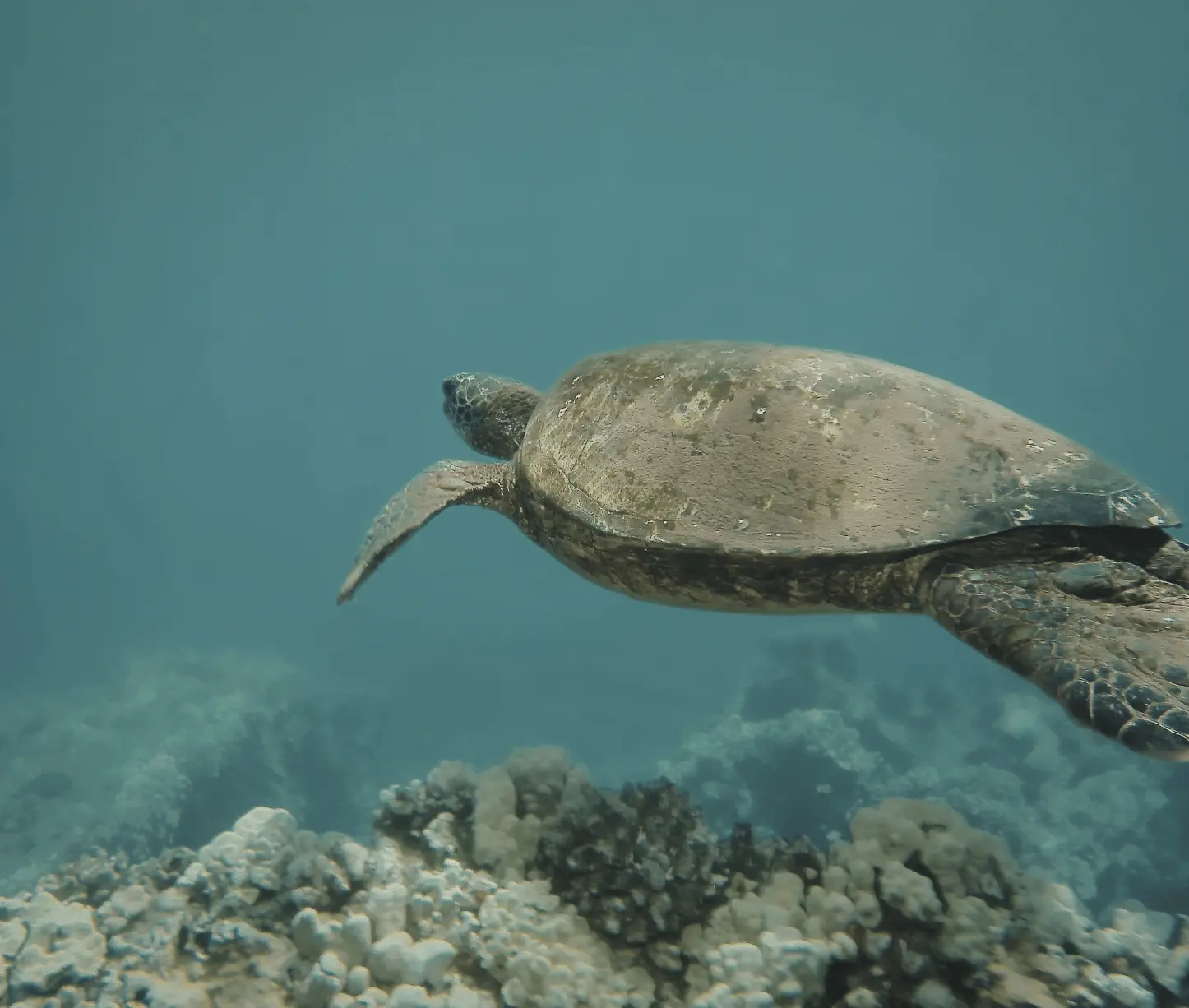
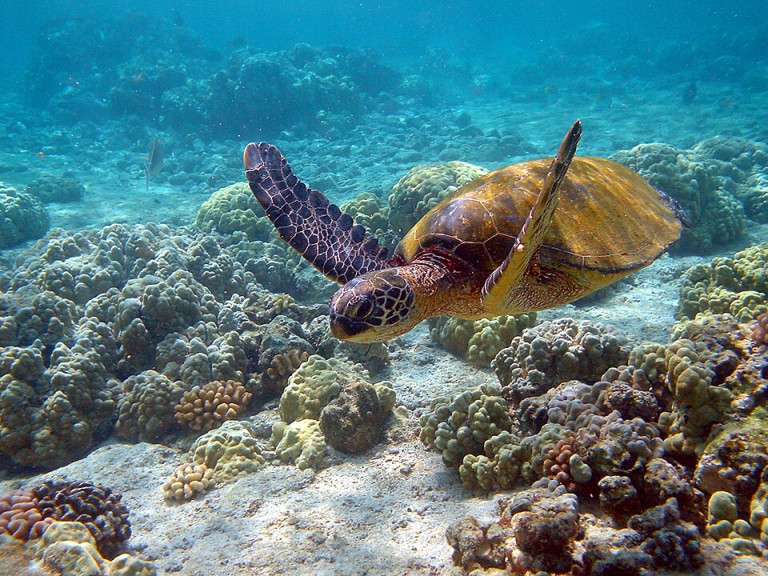
  • Sea Turtle EncountersGreen sea turtles commonly spotted, especially February-April during peak season
  • Photography HeavenBoth macro and wide-angle opportunities with dense fish schools and intricate smaller creatures
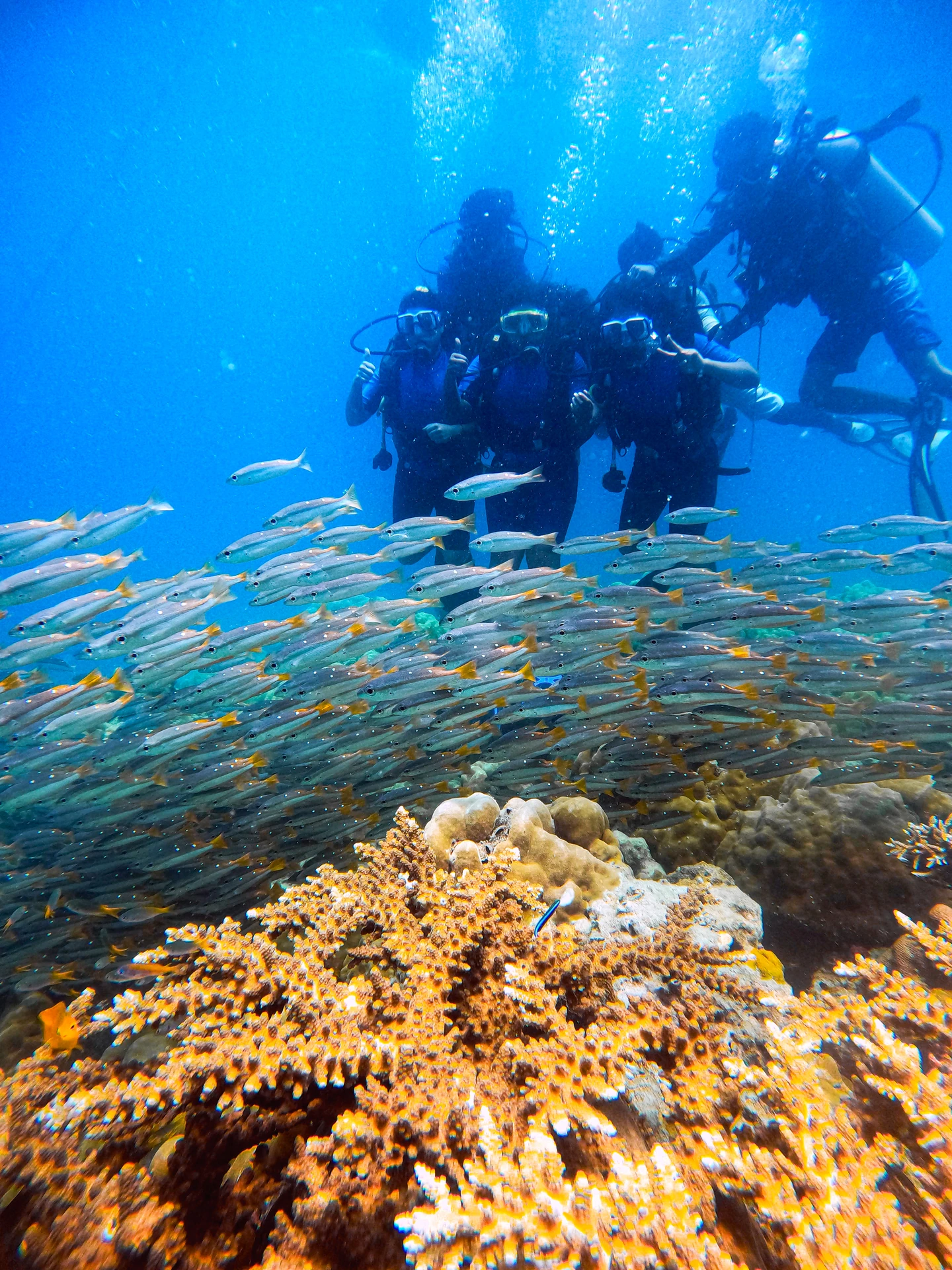
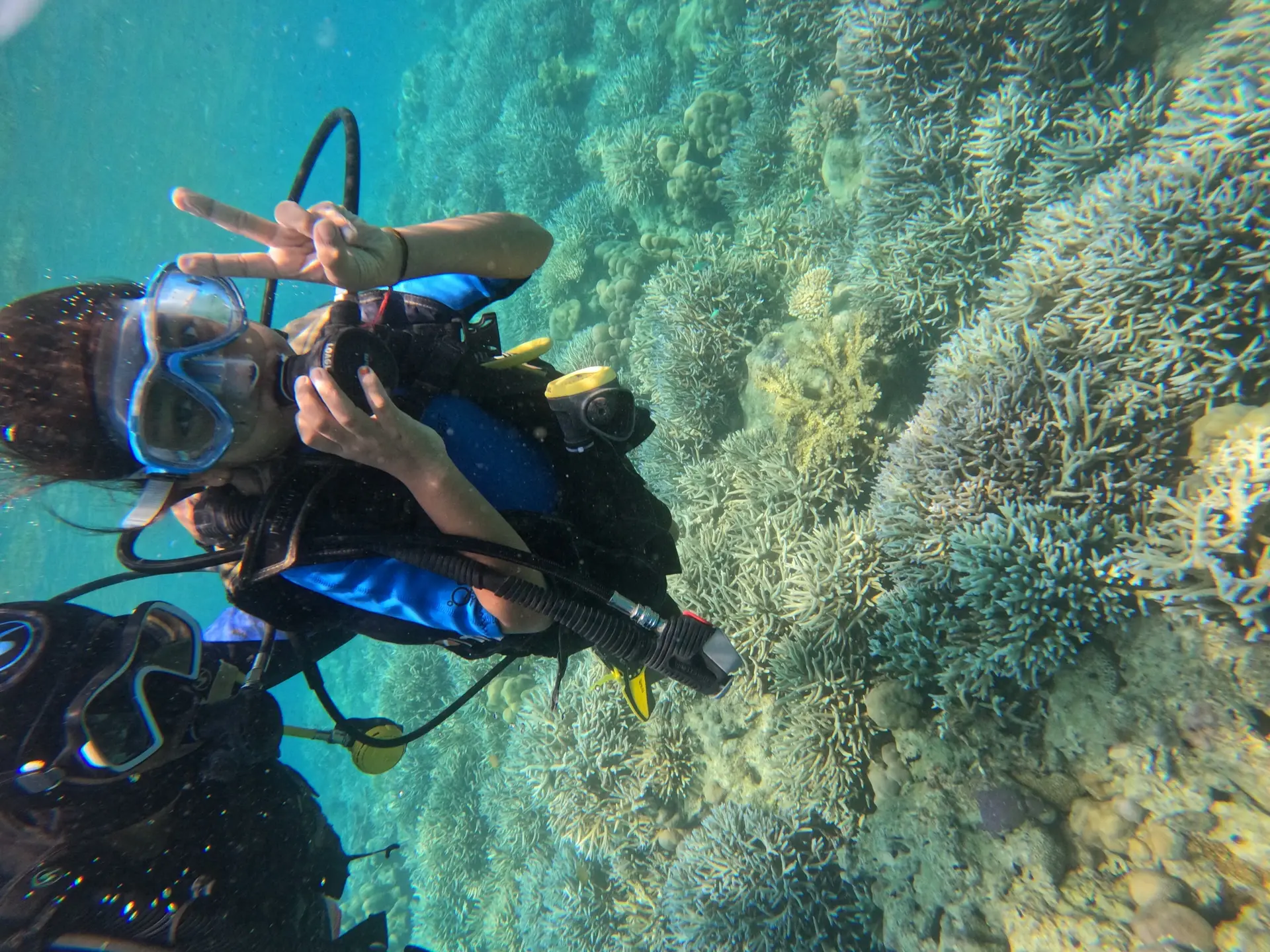
Lighthouse dive site coral gardens at Havelock Island with abundant fish life

The Dive Experience: Versatility Defined

decorative divider

Lighthouse is the Swiss Army knife of Havelock’s dive sites. Whether you’re taking your very first underwater breath or logging dive #500, this site delivers exactly what you need.

The dive starts at the mooring buoy around 3 meters, where coral thickets surround you right away. Schools of fusiliers flash past in blue and yellow. Juvenile fish dart between coral heads. You are in it from the moment you go under.

As you descend to the mid-reef zone (5-12m), the coral gardens intensify—staghorn coral, cauliflower formations, brain corals the size of armchairs. Large barrel sponges in cream and yellow make good natural landmarks. This is where most recreational diving happens, with excellent fish life and natural light.

For certified divers, the sandy bottom zone (18-23m) reveals a different world—scattered coral heads, curious sea urchins, and the chance to spot garden eels and lobsters hiding in crevices. The gentle slope gives you extended bottom time that deeper sites just cannot match.

Suchit - Founder & RAID Scuba Instructor at Frogman Scuba Diving

Lighthouse is where I do most of my RAID Open Water certifications. The depth gradient works well because students can practice skills in the shallows, then explore the reef once they are confident. But here is the real tip: try the night dive. Lighthouse is one of the few sites safe enough for night diving, and it is a completely different world after dark. Sleeping parrotfish, hunting octopuses, bioluminescence. You have to see it.

Suchit Scuba Instructor & Founder, Frogman Scuba

Location & How to Get There

decorative divider
  • Geographic LocationWestern coast of Havelock Island, near the channel to Govind Nagar jetty GPS: Approx. 12.04941° N, 92.96477° E (lighthouse beacon). GPS: 12.04940° N, 92.96480° E
  • Distance from Havelock Jetty10-15 minutes by speedboat from Govind Nagar (main Havelock jetty)
  • Entry TypeBoat entry at moored buoy. Limited shore entry possible with local guide (not recommended for tourists).
  • Sea ConditionsGenerally calm with mild currents (<0.5 knots). Minimal surge due to western location and reef protection.

Underwater Topography

📊 Depth Profile
0-3m
Boat mooring entry, shallow coral thickets
3-12m
Coral Garden—dense hard/soft coral
12-18m
Reef Slope—wide-angle photography zone
18-23m
Sandy Bottom—scattered coral heads, macro life
🗺️ Key Underwater Features
  • 🪸
    Fringing Reef System
    Hard coral-dominated platform with extensive soft coral patches extending along shore
  • 🌺
    Coral Gardens (3-12m)
    Dense staghorn, cauliflower, brain, plate, and valley coral formations
  • 🫧
    Barrel Sponges
    Large yellow and cream specimens serve as natural navigation landmarks
  • 🏖️
    Sandy Channels
    Open areas between coral clusters, perfect for buoyancy practice
  • 🌙
    Night Dive Venue
    Consistent topography makes this one of few sites suitable for RAID Night Dive specialty

Marine Life Encyclopedia

An impressive variety of marine life across all depth zones

Signature Species (Highlights)

🐢
Green Sea Turtle
Chelonia mydas
Common (Feb-Apr)
🦈
Reef Sharks
Triaenodon obesus / Carcharhinus
Occasional
🦅
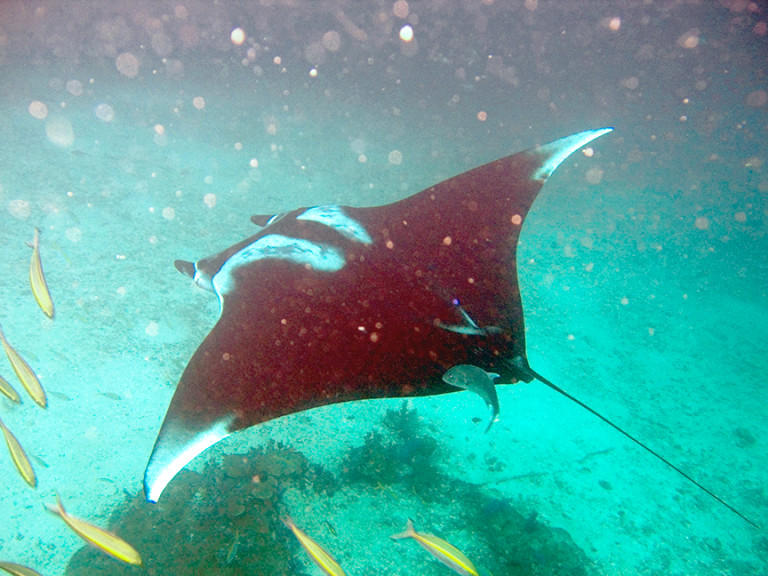
Manta Ray
Mobula birostris
Rare (Peak Season)

Common Reef Fish

🐟
Fusiliers
Guaranteed
🦋
Butterflyfish
Regular
🐡
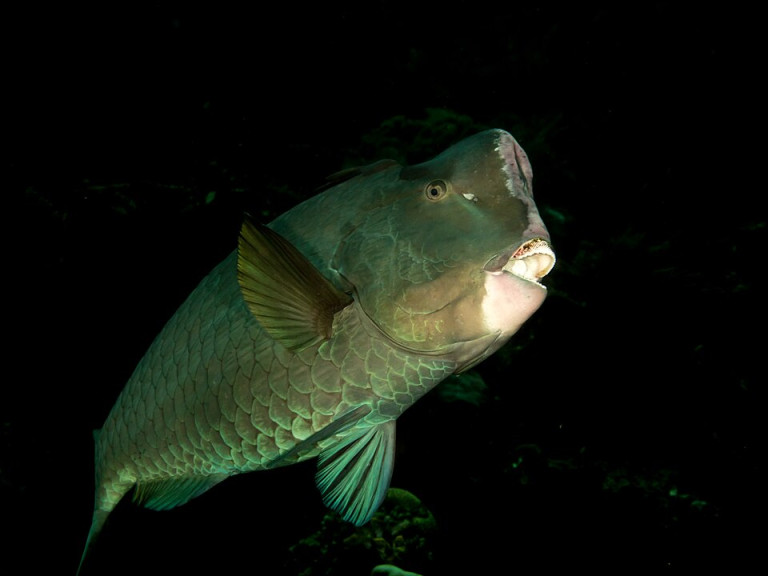
Parrotfish
Guaranteed
🐠
Angelfish
Regular
🐟
Triggerfish
Regular
🐟
Giant Trevally
Regular

Macro Life & Invertebrates

🐙
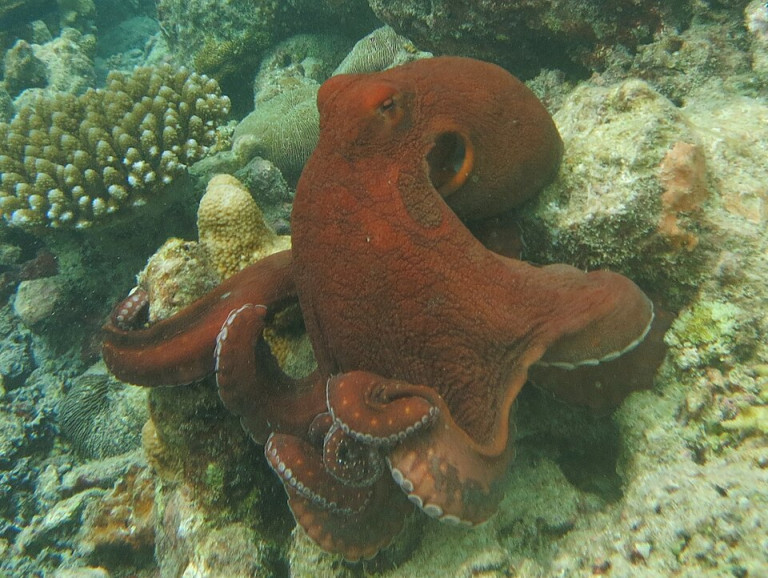
Octopus
Blue-ringed (observe only—venomous!) and common octopus in reef crevices
🦞
Spiny Lobsters
Hiding in rock crevices, especially visible during night dives
🐌
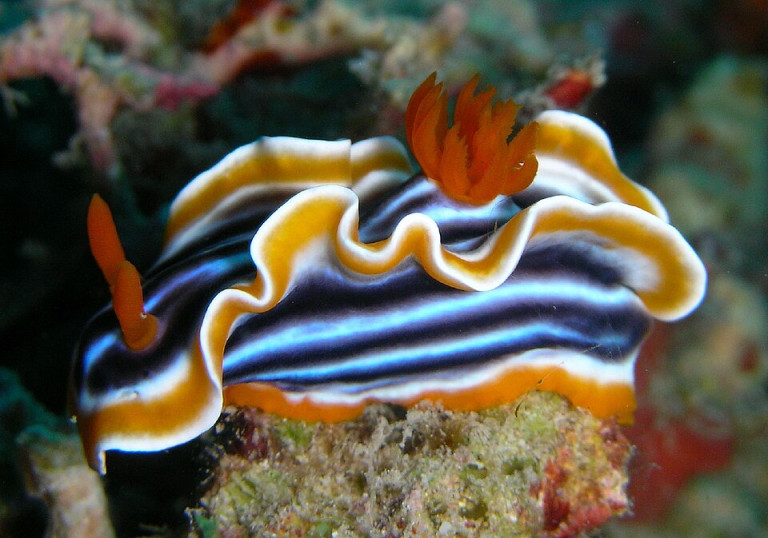
Nudibranchs
Colorful sea slugs—macro photographer's delight
🦪
Giant Clams
Protected species—observe their iridescent mantles, never touch

Coral Garden

Lighthouse features a stunning mix of hard and soft corals, creating a vibrant underwater landscape perfect for all skill levels to explore.

🌿
Staghorn Coral
Branching coral forming dense thickets
🥦
Cauliflower Coral
Compact, bushy formations
🧠
Brain Coral
Rounded, ridged formations like brain tissue
🍽️
Plate Coral
Flat, table-like structures
🏔️
Valley Coral
Deep ridges and valleys pattern
🌾
Soft Corals
Gorgonian sea fans and whips

Best Time to Dive

Peak
November – March
  • Visibility: 20-30 meters (exceptional)
  • Water Temp: 26-29°C
  • Sea State: Mirror-calm
  • Wildlife: Sea turtles, peak fish activity
Excellent
Oct & Apr-May
  • Visibility: 15-25 meters
  • Water Temp: 26-28°C
  • Sea State: Calm to good
  • Advantage: Fewer crowds, good prices
Avoid
June – September
  • Visibility: 5-10 meters (poor)
  • Sea State: Rough, 2-4m swells
  • Access: Often closed for safety
  • Note: Not recommended for diving
🌙 Night Dive Tip
Lighthouse is one of Havelock's few sites suitable for night diving. Try it in December-February for optimal conditions—see sleeping parrotfish, hunting octopuses, and bioluminescence!

Is Lighthouse Right For You?

Perfect For

  • First-Time Divers: Gentle gradient, minimal currents, excellent for discovery dives.
  • Non-Swimmers: Shallow entry (3m), wetsuit buoyancy support available.
  • RAID Certification Students: Popular training site for Open Water courses.
  • Photographers: Both macro and wide-angle—abundant subjects at all depths.
  • Night Divers: One of the few safe night dive sites in Havelock.
  • Kids (10+): Gentle conditions ideal for junior divers.

Less Ideal For

  • Technical Challenge Seekers: Mild conditions—try The Wall instead.
  • Adrenaline Divers: No walls, caves, or strong currents here.
  • Deep Diving Enthusiasts: Max 23m—advanced sites go deeper.
🛡️ Safety First
Despite being beginner-friendly, all Frogman dives include comprehensive safety briefings, emergency oxygen, and RAID-certified guides. Your safety is our #1 priority.

Gallery

decorative divider

Frequently Asked Questions

decorative divider

Is Lighthouse dive site suitable for beginners?Is Lighthouse dive site suitable for beginners?

Yes, absolutely. Lighthouse is one of Havelock’s most beginner-friendly sites with shallow entry (3m), minimal currents, and calm conditions. Discovery dives and RAID Open Water students are welcome. The gentle depth gradient makes it perfect for building confidence.

What is the best time to dive at Lighthouse?What is the best time to dive at Lighthouse?

November–March offers the best conditions with 20–30m visibility, warm water (26–29°C), and calm seas. October–November and March–April are ideal for avoiding peak-season crowds while maintaining excellent conditions. Avoid June-September (monsoon).

Can non-swimmers try diving at Lighthouse?Can non-swimmers try diving at Lighthouse?

Yes, with safety precautions. A certified instructor provides 1:1 support, wetsuit buoyancy aids, and extended shallow-water practice. The 3m entry depth allows you to stand if needed. Previous pool training recommended but not required.

Will I see marine life at Lighthouse?Will I see marine life at Lighthouse?

Yes, regularly! Expect schools of reef fish (fusiliers, unicornfish, trevally), sea turtles (especially Feb–April), rays, and occasionally reef sharks. Macro life includes lobsters, nudibranchs, and octopus. Night dives reveal sleeping parrotfish and hunting predators.

Can I do a night dive at Lighthouse?Can I do a night dive at Lighthouse?

Yes! Lighthouse is one of the few Havelock sites suitable for RAID Night Dive specialty training. The consistent topography and protected location make it safe and enjoyable after dark. Experience bioluminescence, sleeping fish, and nocturnal hunters in a whole new underwater world.

Ready to Explore Lighthouse?

Havelock’s most versatile dive site. Good for beginners, photographers, and night owls.

  • RAID Certified Center
  • Night Dive Specialists
  • Safety First Always