Havelock Island 25-36m Depth Advanced Only

Jackson's Bar: Strong Currents,
Manta Rays & Pelagic Action

Difficulty Advanced AOW Certification Required
Max Depth 25-36m Deep Reef Plateau
Visibility 20-40m Best: Oct - Apr
Access Boat 45-60 min from Jetty

What Makes Jackson's Bar Special

decorative divider

Jackson’s Bar is one of Havelock Island’s top advanced dive sites, located 19 kilometers northeast in the waters of Ritchie’s Archipelago. Named after Jackson, the brother of divemaster Johnny (of Johnny’s Gorge fame), this underwater plateau is where experienced divers go to see large pelagic marine life up close.

A flat rocky shelf slopes from 25m to beyond 30m, and strong perpendicular currents push nutrients through the area. That combination draws in manta rays, eagle rays, reef sharks, and big schools of fish.

  • Pelagic HotspotStrong currents funnel nutrient-rich water, attracting mantas, eagle rays, white-tip reef sharks & massive fish schools
  • The "Holy Trinity" SiteOne of three legendary sites (with Dixon's Pinnacles & Johnny's Gorge) that define Havelock's advanced diving
  • Photographer's ParadiseDramatic lighting, large marine life, and cleaning station activity create world-class photo opportunities
  • Natural Cleaning StationWatch as smaller fish service rays, sharks & large pelagics at dedicated cleaning spots on the plateau
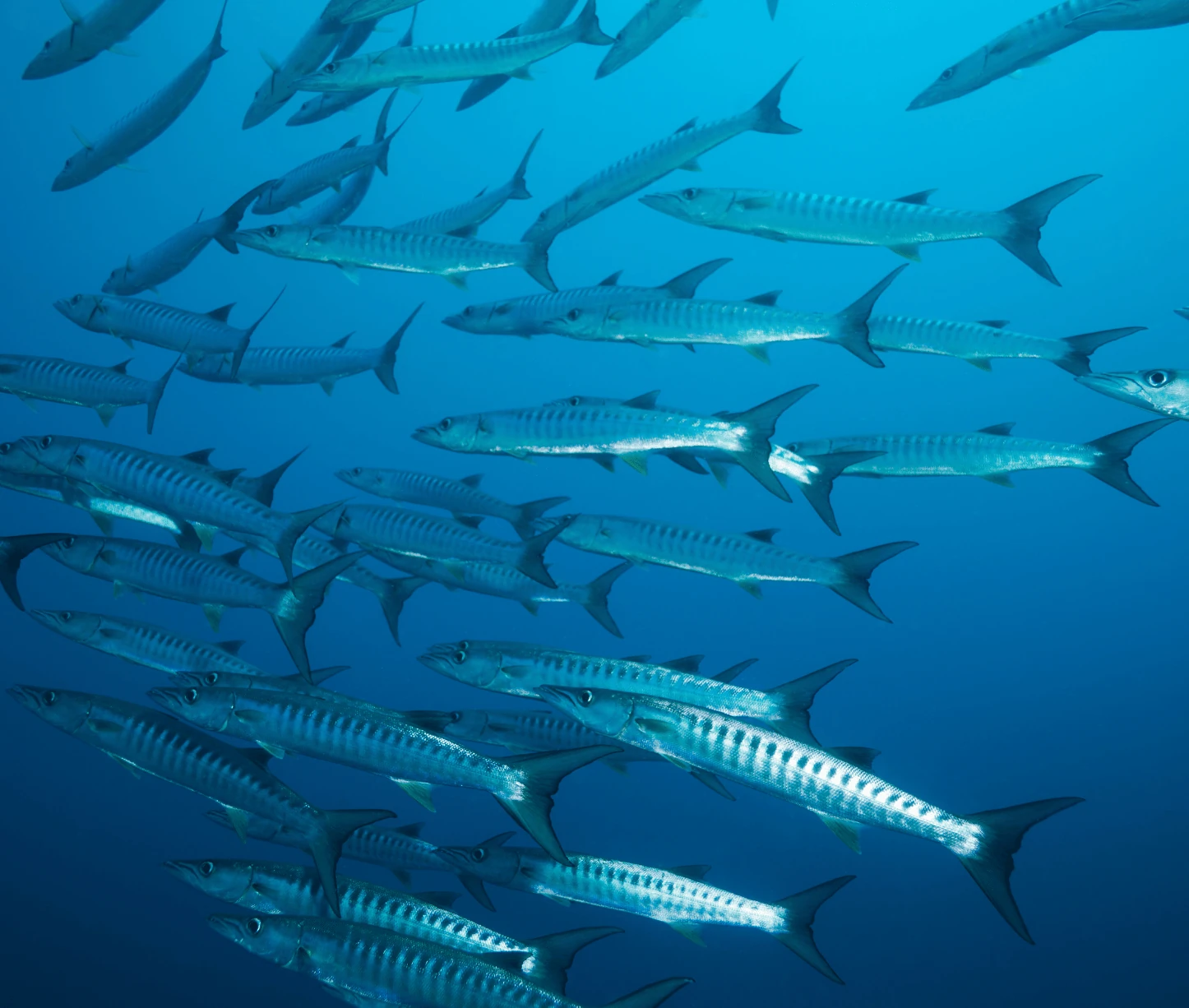
Jackson's Bar dive site showing schools of pelagic fish over deep reef plateau at Havelock Island

The Dive Experience: Into the Blue

decorative divider

After a 45-60 minute boat ride through crystal waters, you descend into a different world. Jackson’s Bar is not like the shallow coral gardens most visitors know—this is open ocean diving at its finest.

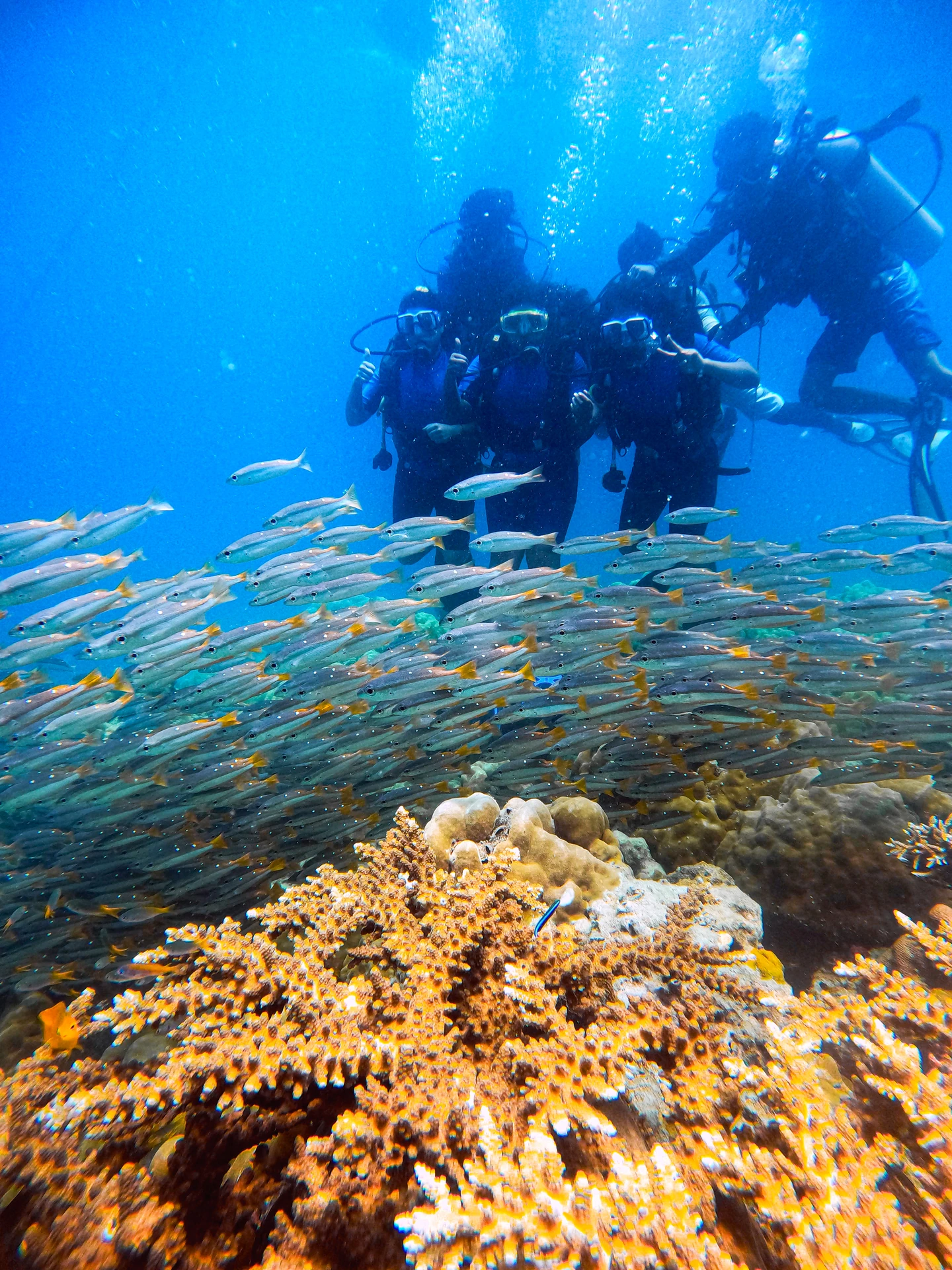
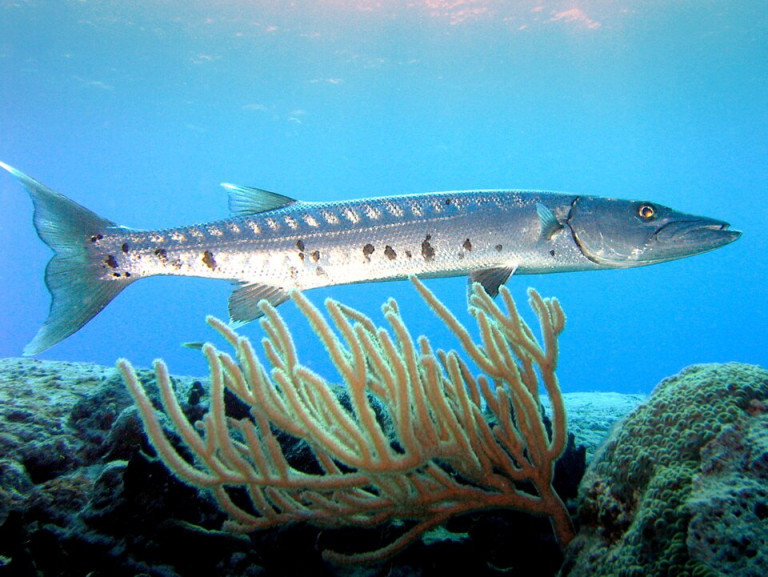
As you drop through the blue water, the rocky plateau materializes below at around 25 meters. The first thing you notice: movement everywhere. Schools of Bengal snappers form massive, shifting clouds. Barracudas slice through in hunting formations. Tuna patrol the edges.

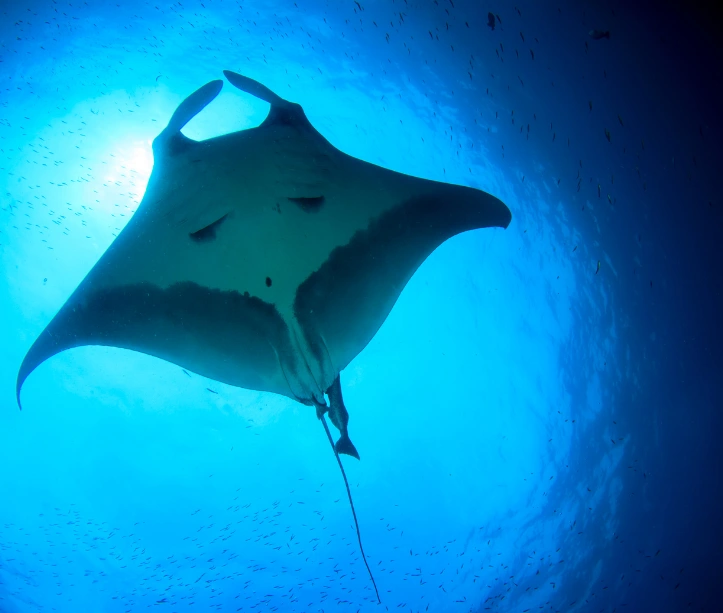
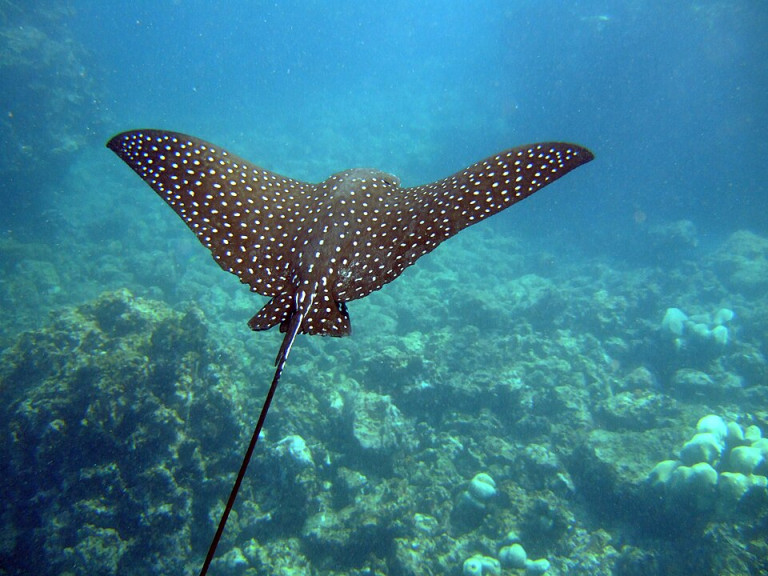
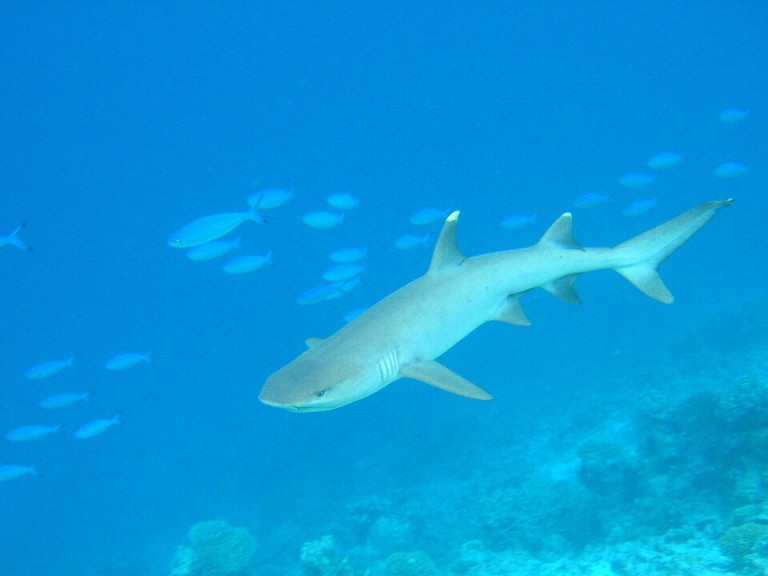
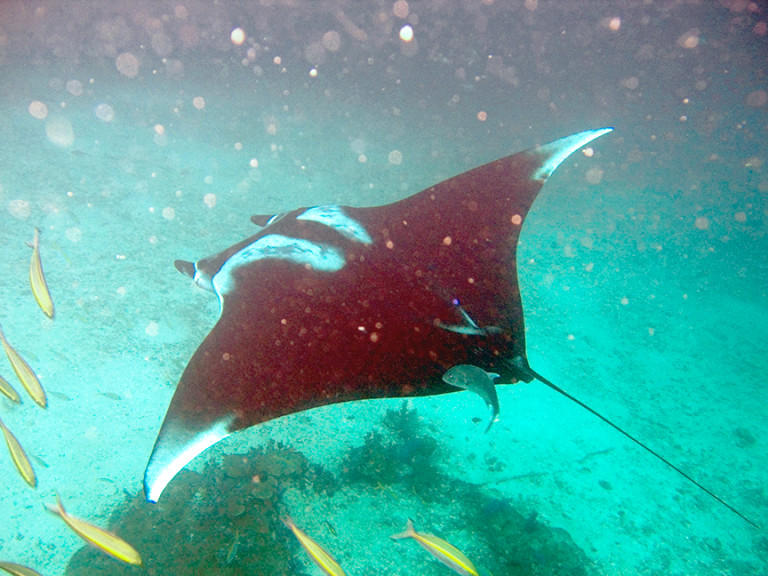
The perpendicular currents that challenge your buoyancy are the same force that brings the big players here. Manta rays glide in for cleaning, their 3-4 meter wingspans casting shadows across the plateau. Eagle rays sweep past in groups. White-tip reef sharks rest on the sandy slopes below, occasionally rising for a closer look at curious divers.

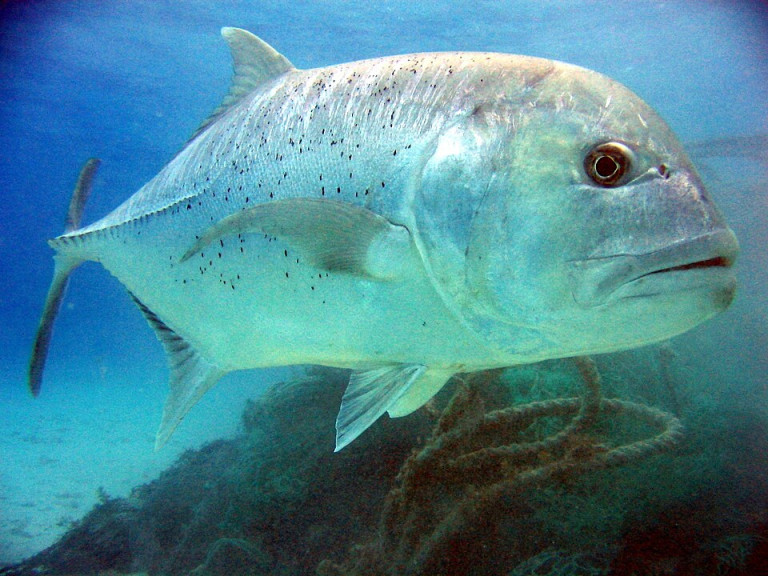
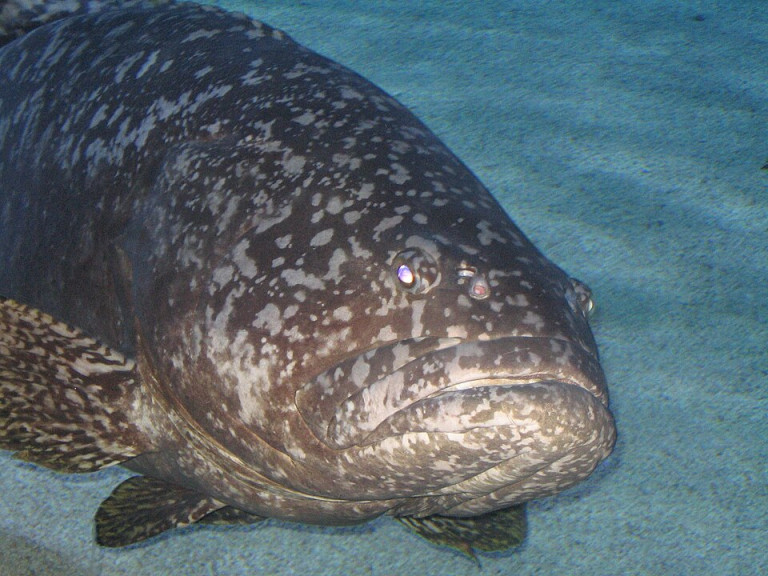
At the edges of the plateau, cleaning stations buzz with activity—small cleaner wrasse and shrimp servicing massive groupers and cruising jacks. It is like watching a natural car wash, except underwater.

Manta ray at Jackson's Bar cleaning station with divers observing
Suchit - Founder & RAID Scuba Instructor at Frogman Scuba Diving

Jackson’s Bar is where you go from “I scuba dive” to “I am a diver.” The currents here demand respect and they will test your buoyancy and air management. But that same current brings in the big stuff. I have seen mantas on about 80% of my dives here. Stay calm, go with the flow, and keep your eyes on the blue. The pelagics will come to you.

Suchit Scuba Instructor & Founder, Frogman Scuba

Location & How to Get There

decorative divider
  • Geographic Location19 kilometers northeast of Havelock Island, Ritchie's Archipelago. Offshore deep water site—no shore access. GPS: 12.10000° N, 93.16000° E
  • Boat Travel TimeApproximately 45-60 minutes by speedboat from Havelock main jetty (Govind Nagar)
  • Entry TypeBoat entry only. Boats anchor with mooring buoy system; no shore entry available.
  • Sea ConditionsStrong currents (perpendicular to reef) - the defining feature of this site. Surface can be choppy during windy periods.

Underwater Topography

📊 Depth Profile
0-18m
Blue water descent—open ocean to plateau rim
18-25m
Approaching plateau—first coral and fish sightings
25-30m
Main plateau zone—cleaning stations, pelagic activity
30-36m
Sandy drop-off—garden eels, resting sharks (max depth)
🗺️ Key Underwater Features
  • 🏔️
    Flat Rocky Plateau
    The signature "bar" formation—dramatic shelf rising from the deep
  • 💨
    Perpendicular Currents
    Strong currents run across reef bringing nutrients and attracting large pelagics
  • 🧽
    Cleaning Stations
    Multiple spots where cleaner fish service rays, sharks, and large reef fish
  • 🪸
    Coral Gardens
    Soft corals, barrel sponges, and scattered hard coral patches on plateau
  • 🏖️
    Sandy Slope
    Beyond 30m, gentle sandy bottom hosts garden eels and resting white-tip reef sharks

Marine Life Encyclopedia

Jackson's Bar is famous for BIG encounters—large pelagic species and massive fish schools

Signature Pelagic Species (The Big Stuff)

🦈
Manta Ray
Mobula birostris / Mobula alfredi
High (especially Dec-Feb)
🦋
Spotted Eagle Ray
Aetobatus narinari
High
🦈
White-tip Reef Shark
Triaenodon obesus
High

Schooling Fish (The Spectacle)

🐟
Bengal Snappers
Guaranteed
🐟
Barracuda
Guaranteed
🐟
Yellowfin Tuna
High
🐟
Fusiliers
Guaranteed
🐟
Giant Trevally
High
🐠
Andaman Sweetlips
Guaranteed

Bottom Dwellers & Other Marine Life

🌾
Garden Eels
Colonies visible on sandy bottom beyond 30m—keep low and slow to observe
🐠
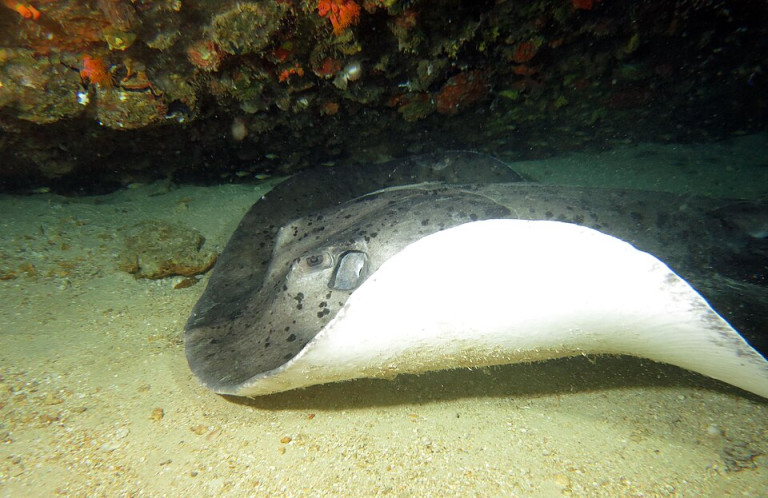
Kuhl's Stingray (Blue-spotted)
Commonly resting on sandy patches around plateau edges
🐢
Sea Turtles
Occasional sightings at cleaning stations—luck favors the patient
🐙
Octopus
Hiding in crevices on plateau—look for color changes and movement
🐡
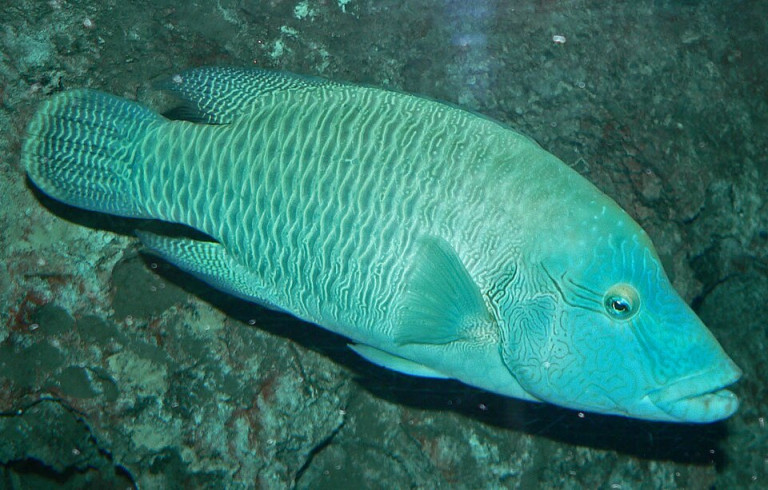
Napoleon Wrasse
These gentle giants occasionally visit—a real treat when spotted

Why Jackson's Bar Attracts Big Marine Life

💨
Strong Perpendicular Currents
Funnel nutrient-rich water across the plateau, creating ideal feeding conditions
🧽
Natural Cleaning Stations
Mantas, rays, and sharks visit regularly for cleaning services from smaller fish
🏔️
Unique Topography
Flat plateau rising from deep water creates natural gathering point for pelagics

Coral & Reef Structure

While Jackson's Bar is known for pelagic action, the plateau itself hosts healthy coral formations and distinctive structures that support the ecosystem.

🫙
Barrel Sponges
Giant specimens serve as natural landmarks for navigation on plateau
🌸
Soft Corals
Extensive coverage adorns the rocky plateau surface with color
🪭
Sea Fans (Gorgonians)
Beautiful gorgonians on deeper sections catch the current
🌿
Staghorn Coral
Scattered across the plateau
🍽️
Table Coral
Flat formations on plateau surface
🧠
Brain Coral
Scattered patches provide structure

Best Time to Dive

Peak
December – February
  • Visibility: 35-40 meters (exceptional)
  • Water Temp: 27-29°C
  • Sea State: Calmest conditions
  • Pelagics: Maximum manta & ray activity
Excellent
Nov & March – April
  • Visibility: 25-35 meters
  • Water Temp: 27-29°C
  • Sea State: Good to excellent
  • Advantage: Fewer crowds than peak season
Avoid
June – September (Monsoon)
  • Visibility: 5-15 meters (poor)
  • Sea State: Rough, strong winds
  • Access: Site frequently inaccessible
  • Safety: Diving NOT recommended
🦈 Pro Tip
Book Jackson's Bar for December-February if manta encounters are your priority. The combination of peak visibility, calm seas, and maximum pelagic activity makes this window unmissable.

Is Jackson's Bar Right For You?

Perfect For

  • Advanced Certified Divers: AOW minimum. Experience with currents essential.
  • Deep Diving Enthusiasts: 25-36m depths are the main attraction here.
  • Pelagic Hunters: This is THE site for mantas, rays, and sharks in Havelock.
  • Underwater Photographers: Large subjects, dramatic lighting, cleaning stations.
  • Experience Seekers: Ready to level up from reef diving to open ocean.

Not Recommended For

  • Beginners / Open Water Divers: Site exceeds OW depth limits (18m).
  • Non-Swimmers: Certification required. No training dives here.
  • Current-Averse Divers: Strong perpendicular currents throughout.
  • Limited Experience Divers: If you haven't managed currents before, train first.
⚠️ Safety First
Jackson's Bar demands respect. All divers must be Advanced Open Water certified minimum. Frogman provides comprehensive pre-dive briefings on current management, buddy procedures, and depth protocols. Emergency oxygen and full safety equipment on all boat dives.

Gallery

decorative divider

Frequently Asked Questions

decorative divider

What certification level is required for Jackson's Bar?

Advanced Open Water (AOW) certification is the minimum requirement. Deep Diver specialty is highly recommended. The site’s depths (25-36 meters) and strong currents demand experienced divers with good buoyancy control and air management skills. Open Water divers (18m limit) cannot dive this site.

When is the best time to dive Jackson's Bar for mantas?

December to February is peak manta season with the highest encounter rates. The combination of excellent visibility (35-40m), calm seas, and maximum pelagic activity makes this the ideal window. November and March-April also offer good chances. Avoid June-September (monsoon season) when the site is often inaccessible.

How far is Jackson's Bar from Havelock, and how long is the boat ride?

Jackson’s Bar is located 19 kilometers northeast of Havelock Island, in the waters of Ritchie’s Archipelago. The boat journey takes approximately 45-60 minutes by speedboat from the main Havelock jetty (Govind Nagar). Sea conditions affect travel time.

What marine life will I see at Jackson's Bar?

Jackson’s Bar is famous for large pelagic encounters: manta rays (high probability Dec-Feb), eagle rays, white-tip reef sharks, and occasionally sea turtles. You’ll almost certainly see massive schools of Bengal snappers, barracudas, tuna, jacks, and Andaman sweetlips. Garden eels inhabit the sandy bottom, and cleaning stations provide unique behavioral observation opportunities.

Is Jackson's Bar suitable for beginners or non-swimmers?

No. Jackson’s Bar is strictly for Advanced Open Water certified divers or higher. The depths (25-36m), strong perpendicular currents, and open water conditions make it unsuitable for beginners. If you’re new to diving, we recommend starting with sites like Nemo Reef, Aquarium, or Lighthouse before working toward advanced sites.

Ready for Jackson's Bar?

Experience Havelock’s premier pelagic dive site. Mantas, rays, sharks—the big stuff awaits.

  • RAID Certified Center
  • Advanced Dive Specialists
  • Safety First Always